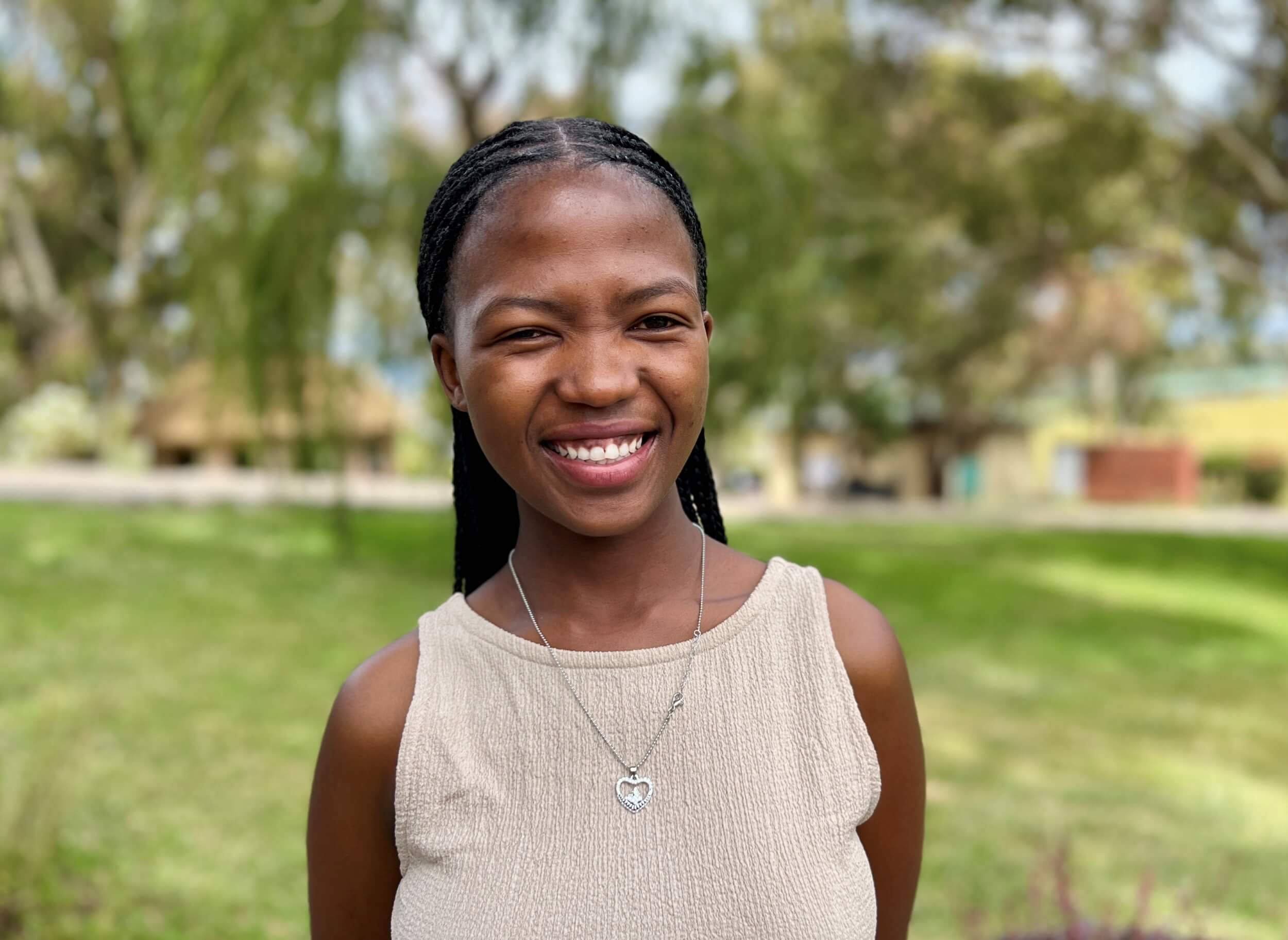
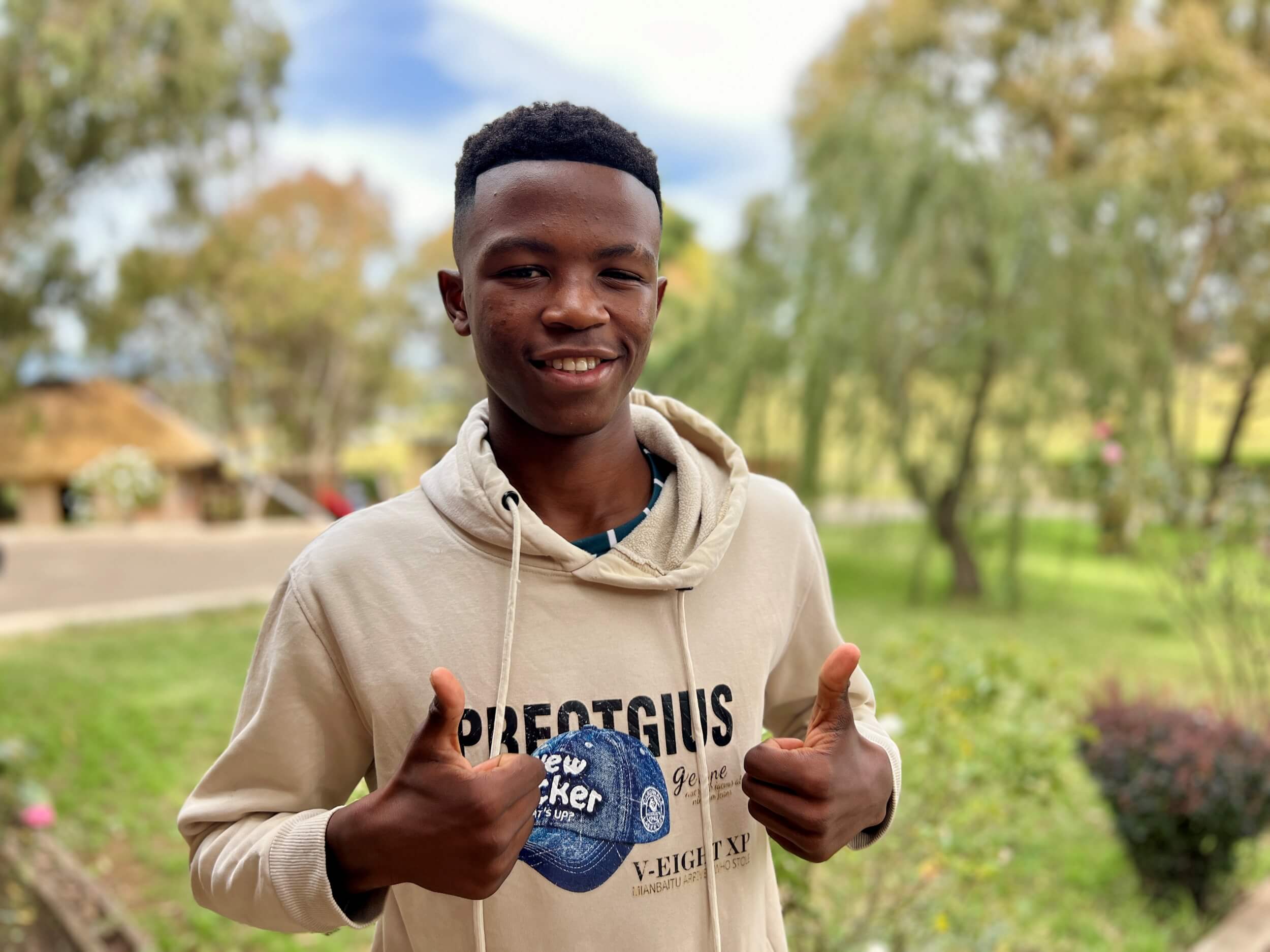
A Youth-Centred Approach to Understanding Impact
Understanding impact goes beyond numbers. It requires listening, observing, and creating space for young people to express their experiences in ways that feel natural and safe.
To evaluate programs, Help Lesotho uses a participatory, youth-centered approach that brings the evaluation process to life.
Moving to Be Heard
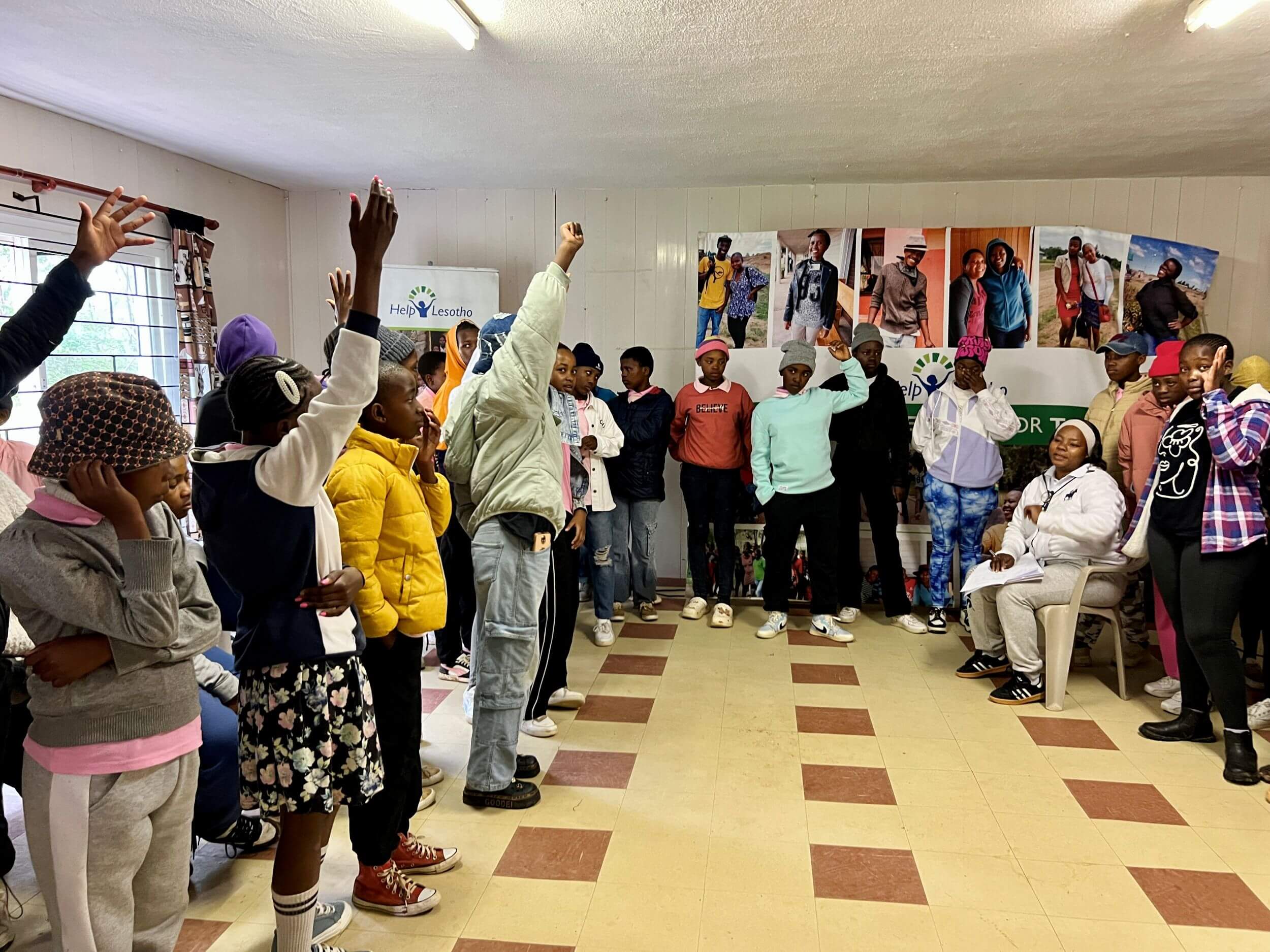
Rather than relying only on written surveys, participants are invited to physically engage in the evaluation:
- Different response options (such as “Not at all,” “Somewhat,” and “A lot”) are placed around the workshop room.
- Participants are asked questions such as: “How much have you learned?” or “How much have you grown?”
- They then moved to stand beside the response that reflected their experience.
- Facilitators then ask for voluntary explanations from participants about why they chose the response they did.
This approach:
- Makes the process interactive and engaging;
- Reduces literacy and language barriers;
- Allows facilitators to visually see patterns in responses; and
- Creates space for discussion and reflection.
It also empowered participants to own their voices — not just answer questions.
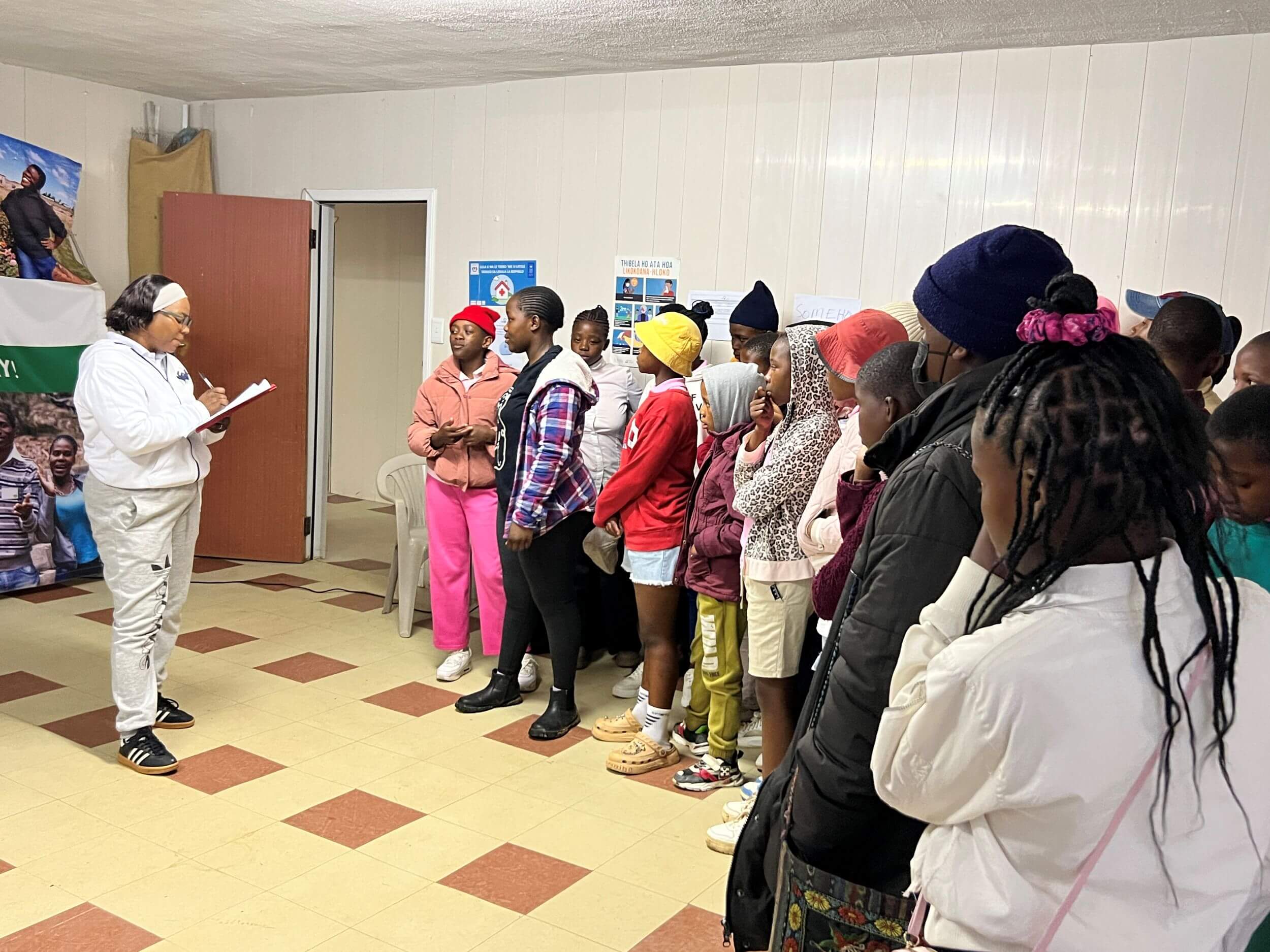
Listening Through Dialogue
Evaluation also include:
- Focus group discussions to explore which sessions had the greatest impact.
- Open-ended questions that allowed girls to explain their experiences in their own words.
- Quotes and personal reflections that revealed deeper stories of change.
Through conversation, themes emerged clearly: self-esteem, peer pressure, communication, and goal setting were among the most impactful areas.
Why This Approach Matters
Traditional evaluation methods can miss the depth of young people’s experiences. By contrast, this approach:
- Centres the voices of participants;
- Builds trust and openness;
- Captures both data and lived experience; and
- Strengthens learning for future program design.
It reflects a core belief of Help Lesotho: that those closest to the work should help define and measure its impact.
Case Study: The Impact of the Pearl Girl Program
At a critical moment in a young girl’s life — the transition from primary school to high school — the difference between struggling and thriving often comes down to confidence, decision-making, and support.
At Help Lesotho, the Pearl Girl Program is designed to meet that moment.
This year-long program brings Grade 7 girls together on weekends to build the life skills they need to enter high school with confidence — equipped not only to succeed academically, but to navigate peer pressure, make positive choices, and lead with purpose in their families and schools.
The 2025 Pearl Program reached 100 girls in two rural communities.
What We Learned
For many participants, the Pearl Girl Program is transformative.
Before joining, girls described themselves as:
- Shy and lacking confidence.
- Struggling with self-esteem.
- Easily influenced by peers.
- Hesitant to communicate or take responsibility.
By the end of the program, that story had changed.
Girls now describe themselves as:
- Confident and able to speak up.
- Respectful and responsible.
- Thoughtful in choosing friends.
- Able to communicate with peers and adults.
- More honest and connected with their families.
One participant shared:
“I can now speak up for myself… and I can make the right choices of friends.”
These voices provide powerful evidence that change is not only happening — it is being felt.
Building Skills That Matter
Through sessions on self-esteem, peer pressure, goal setting, communication, and leadership, girls are developing skills that directly shape their daily lives.
Evaluation results show:
- 100% of participants feel significantly more prepared to handle peer pressure and high school challenges.
- 42% identified self-esteem as their most significant area of growth.
- Girls reported improved ability to:
-
- Set and achieve goals.
- Communicate confidently.
- Make positive decisions.
- Recognize and respond to difficult situations, including violence.
-
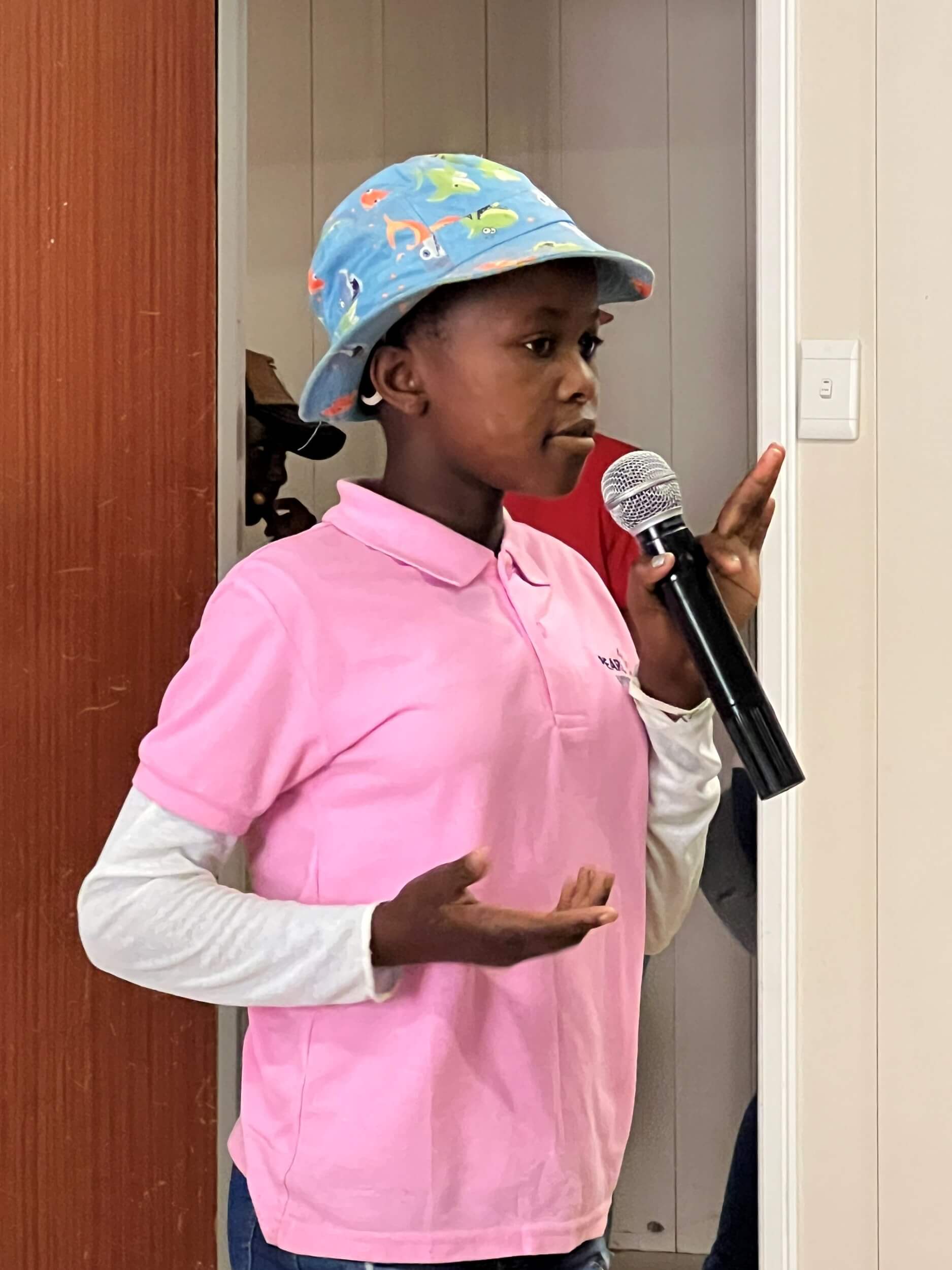
For some, the impact went even deeper. Sessions on grief and emotional well-being created space for healing:
- Many participants shared that they felt “lighter” after expressing emotions.
- Others described learning how to move forward while holding onto meaningful memories
- One participant reflected on emotional growth: “The session helped me cry, share how I feel, and let go of the pain.”
From Influence to Leadership
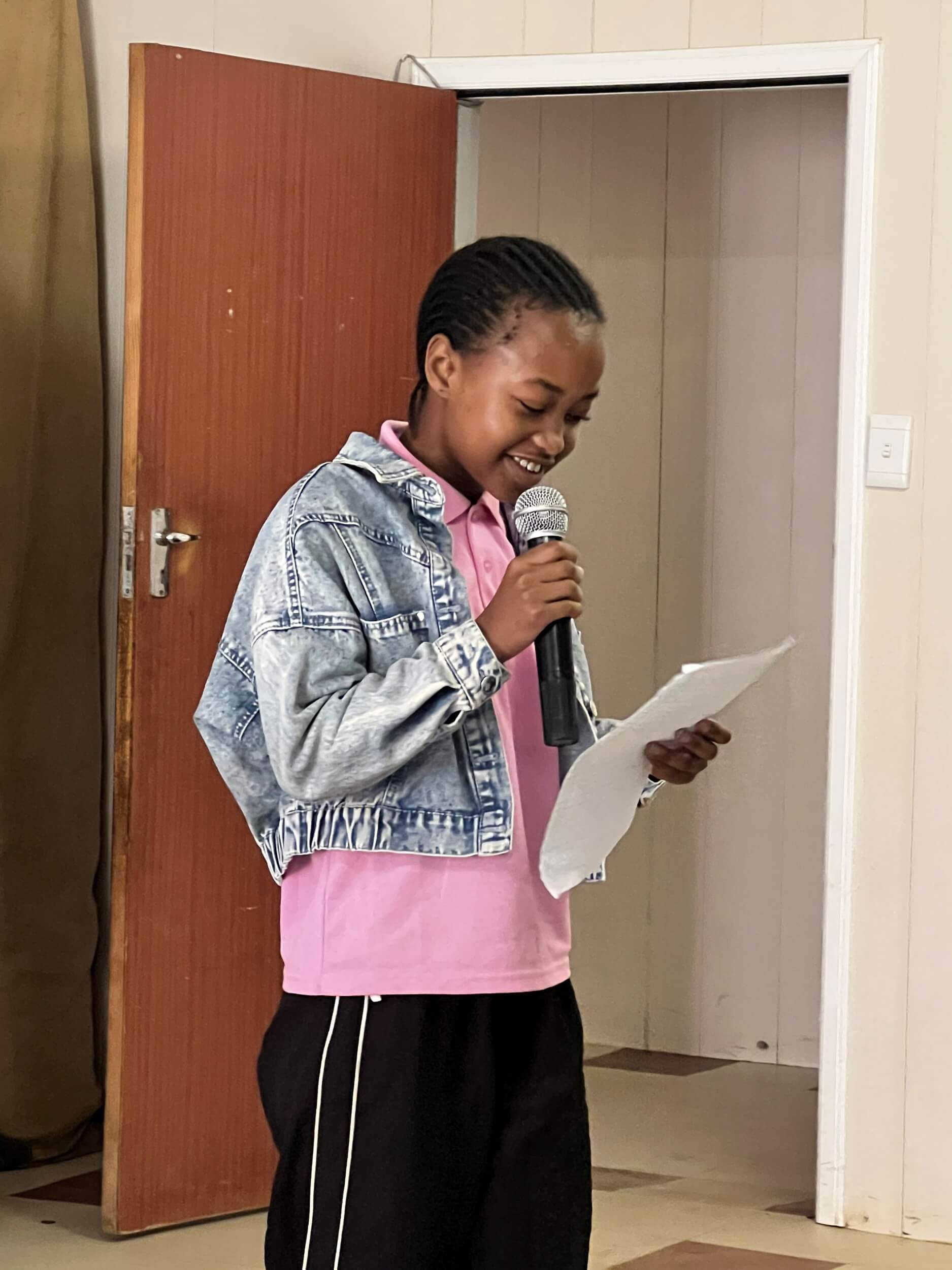
One of the most powerful outcomes of the Pearl Girl Program is the shift from being influenced by others to becoming a positive influence.
Participants shared that they:
- Are no longer easily pressured by peers.
- Have stopped harmful behaviours, including bullying.
- Now see themselves as role models in their schools and communities.
They are not only preparing for high school — they are shaping the environments they enter.
What Teachers Report
“Learners who are part of the programs show noticeable growth not only academically but in confidence, emotional control and leadership. They are more respectful, more engaged and better equipped to handle challenges compared to their peers.”
“The impact of the programs is most visible in how students carry themselves outside the classroom. Our learners who were part of the program are consistently well-behaved, confident and eager to connect with their peers.”
“We are proud to see many of them stepping into important leadership roles at our schools.”
1. Individual Behavioural Change
Teachers report that most participants demonstrate:
- Improved discipline and respectful behavior.
- Increased confidence and willingness to engage.
- Better ability to interact and build positive relationships.
However, some challenges remain:
- A few learners still exhibit attention-seeking behaviors, possibly linked to home environments.
- Isolated cases of peer pressure and bullying persist.
2. Emotional Regulation
- The majority of participants display emotional stability, even in stressful situations.
- Learners can identify and express their emotions more effectively.
- They have reduced negative reactions and improved coping mechanisms especially in the high school environment.
3. Academic Performance
- Learners show a shift where emotional wellbeing supports academic effort.
- Participants actively take part in extracurricular activities, contributing to overall development.
- While many are still average performers, they approach challenges with:
-
- Confidence.
- Persistence.
- Better engagement with teachers.
-
4. Leadership Roles
- Many participants take on leadership responsibilities, including:
- They also show initiative outside the classroom by:
-
- Participating in group activities
- Leading peers in positive ways
-
Meet Keneuoe
Keneuoe lives with her grandmother and grandfather in Lesotho, along with her older sister (15) and younger brother (9). Years ago, their grandparents took the children in when their mother left to work as a domestic worker in South Africa. She hasn’t been able to return home in many years, so their grandparents have become the steady foundation for the family.
Her grandmother is a preschool teacher and a lively, enthusiastic woman who is deeply involved in her community. Her grandfather once worked in the mines and, when he retired, used his payout to build the family a large home. From the outside, the house looks impressive, but like many families in Lesotho, they still struggle to meet everyday needs. A large garden helps sustain them, providing food and a small source of income.
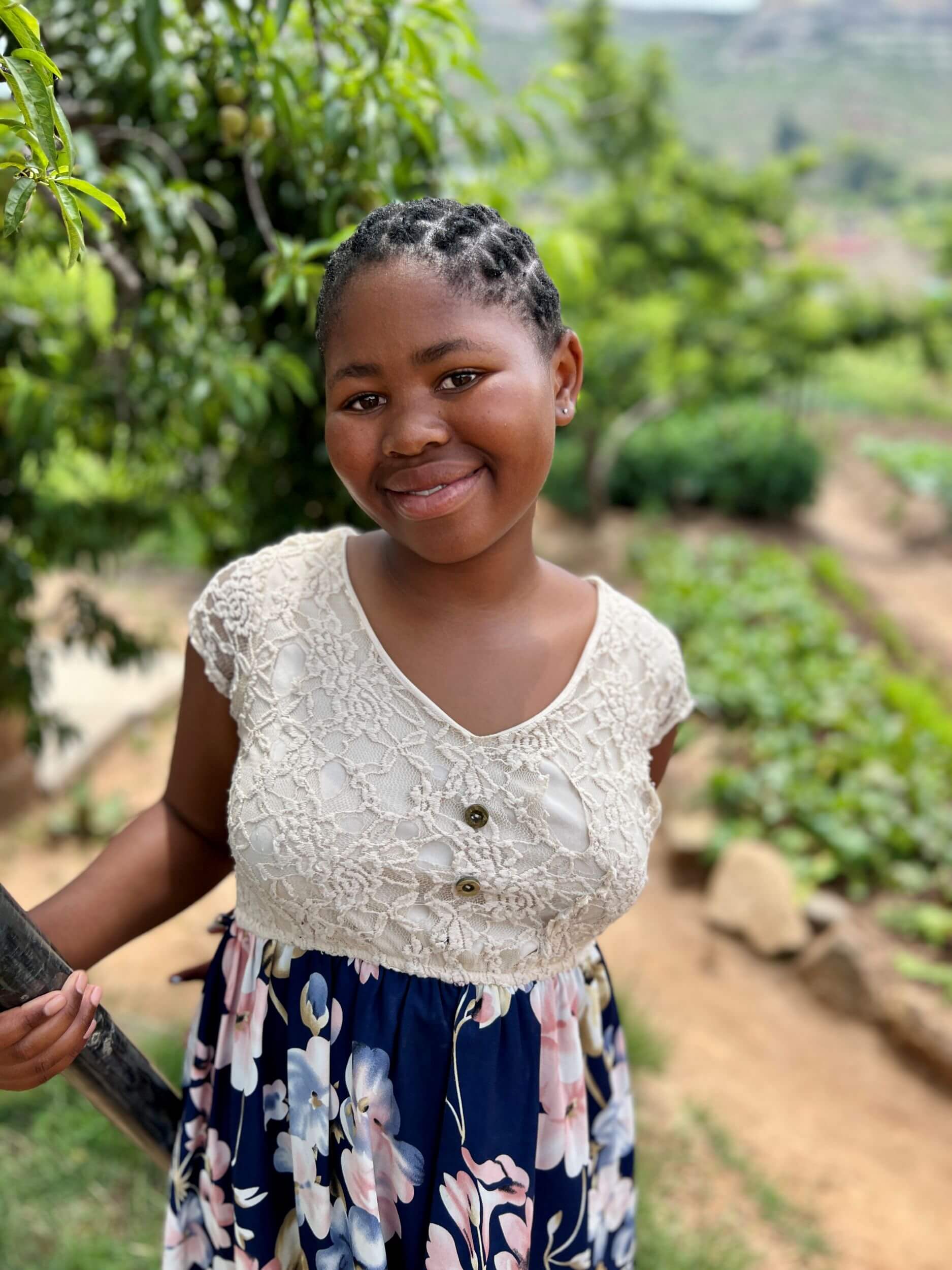
When Keneuoe first heard about the Pearl Program at Help Lesotho, she felt hopeful.
“I was excited to come to Help Lesotho because I knew that I was going to learn new things,” she said.
One lesson in particular made a lasting impact.
“I liked learning about self-esteem. I’m now assertive.”
Her grandmother has noticed the change too.
“Keneuoe is now very well-behaved. We do not see any risky behaviours. She tells us as a family what she learns, and we all benefit. She is even starting to take responsibility for helping the family.”
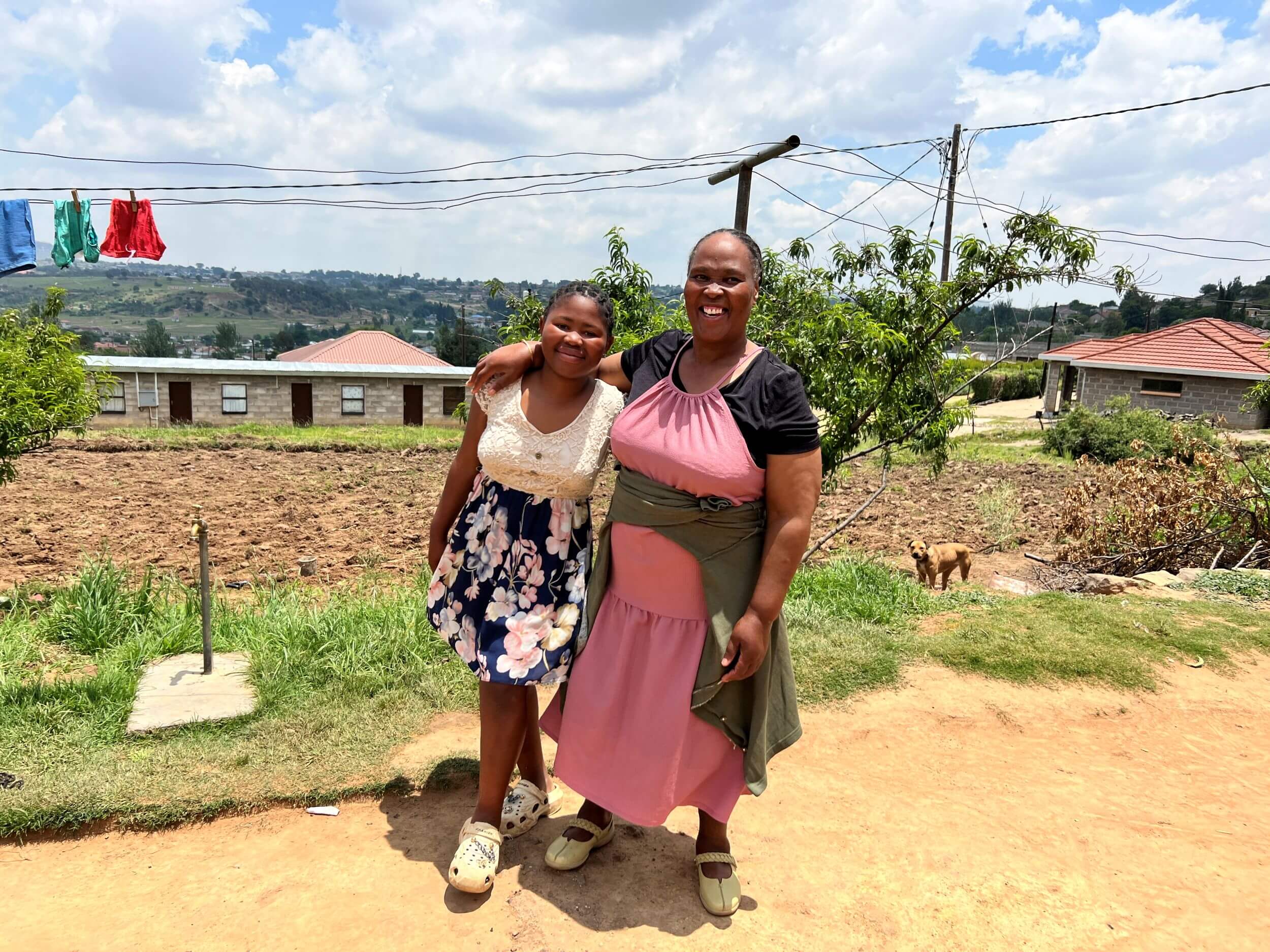
Keneuoe is already seeing the influence she has on those around her.
“I think I am a role model to my younger brother. He is not fighting other children anymore.”
She has big dreams for the future. One day, she hopes to become a defence lawyer and study at university in China.
But the dream closest to her heart is about family.
“I want to build my grandmother a big house.”
More Than a Program – A Turning Point
The transition to high school is a vulnerable time for many girls. Without the right support, challenges like peer pressure, low self-esteem, and exposure to violence can derail their potential.
The Pearl Girl Program helps ensure that girls enter this next chapter:
- With confidence.
- With strong decision-making skills.
- With a sense of responsibility to themselves and others.