Great.com podcast with Kate Lambert

Great.com podcast with Kate Lambert

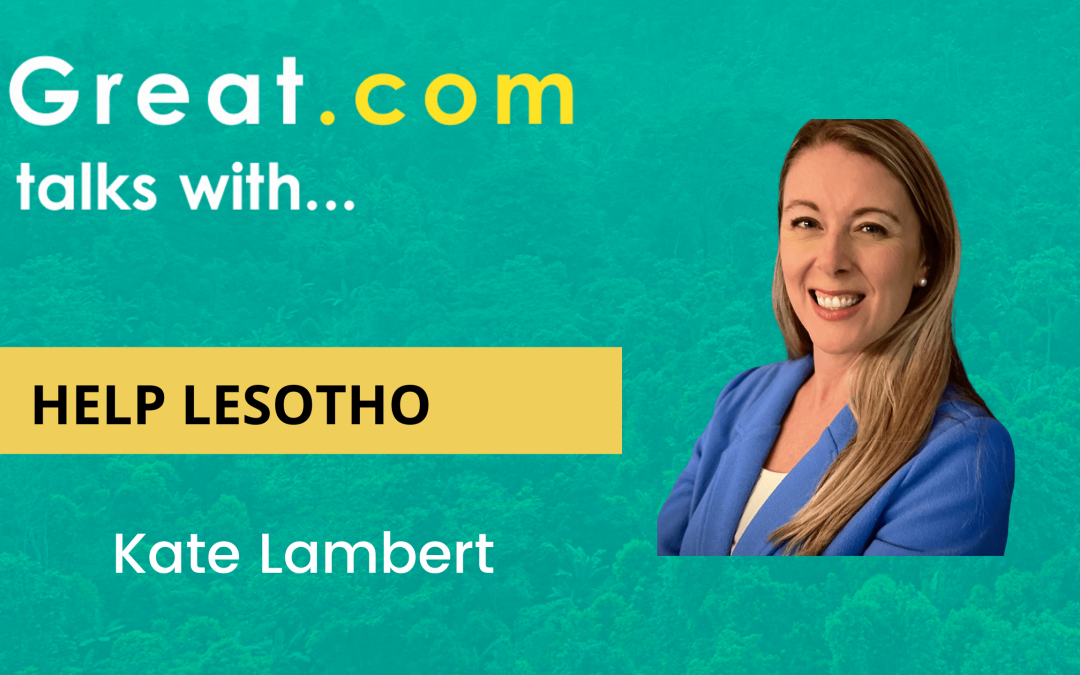
Recently, Help Lesotho Executive Director, Kate Lambert, had an interview with the podcast Great.com. The complete video-interview is available by clicking the button below.

Transforming Lives Through Education and Advocacy

Written by: Great.com

Danielle Ribeiro from Great.com interviewed the Help Lesotho’s Executive Director, Kate Lambert as part of their ‘Great.com Talks With…’ podcast. This series is an antidote to negative news stories that aims to shed light on organizations and experts whose work is making a positive impact on the world. 

Nestled in southern Africa, Lesotho is a nation grappling with the devastating impacts of HIV/AIDS, widespread poverty, and systemic inequality. While these challenges may seem overwhelming, Help Lesotho has been dedicated to creating a sustainable path to change for nearly two decades. Since our founding in 2004, we have taken a deeply personal approach, supporting some of the most vulnerable communities by using education and emotional support to foster resilience and leadership.

Today, Kate Lambert, talked with Great.com about how Help Lesotho provides holistic support that empowers individuals to take control of their lives and futures. At the heart of our mission is a focus on those most affected—girls, grandmothers, and young men—equipping them with the tools to overcome adversity. Through innovative programs, we emphasize leadership development, mental health support, life skills, and the reduction of HIV/AIDS stigma.

Education is central to everything we do, and for good reason. In a country where many children have lost parents to HIV/AIDS or face extreme poverty, access to education can be life-changing. Our school-based programs reach over 16,000 children annually, offering vital lessons on HIV prevention, gender equality, and leadership. These sessions not only impart knowledge but also inspire young people to look beyond their daily struggles and imagine a brighter future.

Our work extends far beyond the classroom. Help Lesotho also runs youth leadership programs that provide mentorship and guidance to young men and women, encouraging them to think critically, use their voices, and become agents of change in their communities. In a country where gender-based violence is pervasive, this leadership training is crucial in challenging harmful societal norms and promoting a culture of equality and respect.

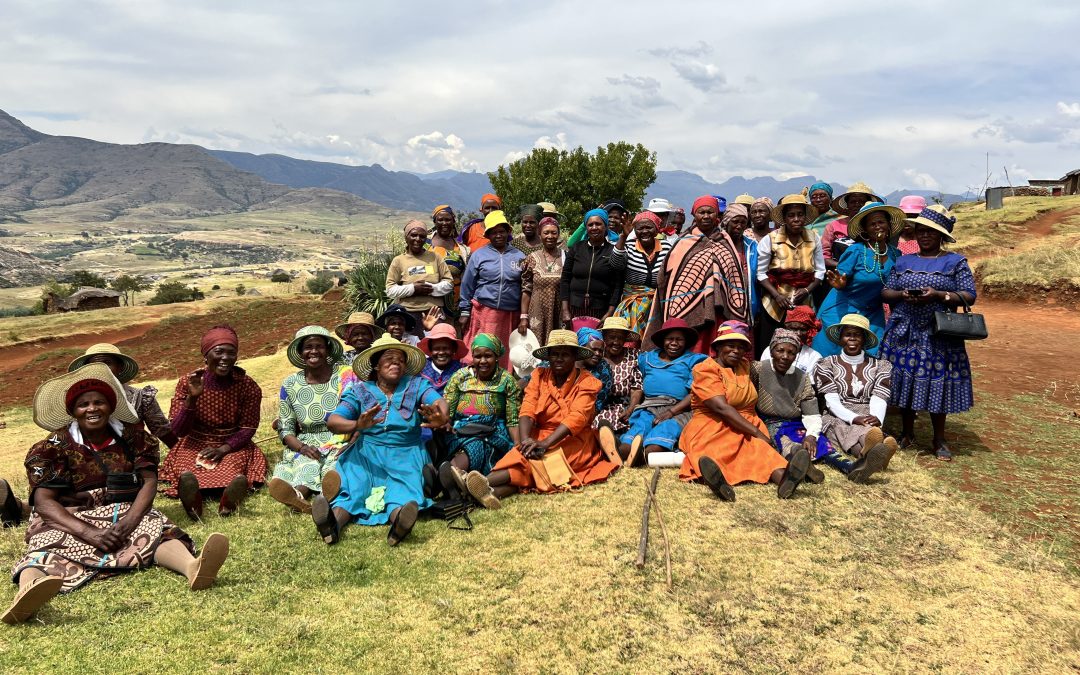
Grandmothers, often the caregivers for children orphaned by HIV/AIDS, also find support in our community programs. Through group meetings, they receive emotional support, health information, and life skills training, which empower them to care for their families and contribute to their communities despite immense challenges.

Beyond education and leadership, our mental health initiatives are crucial in providing psychological support to those in crisis, particularly young people impacted by the emotional trauma of HIV/AIDS. By offering both practical and emotional support, we help individuals build resilience, ensuring that our programs create lasting change from within.

With a compassionate, person-centered approach, Help Lesotho has touched the lives of over 250,000 people. Through education, leadership, and mental health programs, we continue to plant the seeds of change, empowering individuals to lead their communities toward a brighter, more hopeful future

Great.com is an organization aimed at solving the world’s most dire problem — global climate change. Starting in New Jersey, their mission is to take money from an otherwise harmful and greedy industry (online casinos) and move it towards a positive and good cause (solving the climate crisis). In addition to directly donating 100% of the revenue they earn in the casino industry, they also launch and manage fundraising campaigns to persuade casino entrepreneurs to donate. So far, they’ve generated over $2 million to climate research through their own donations and proceeds from their fundraising initiatives.
The BBC visits Help Lesotho

The BBC visits Help Lesotho

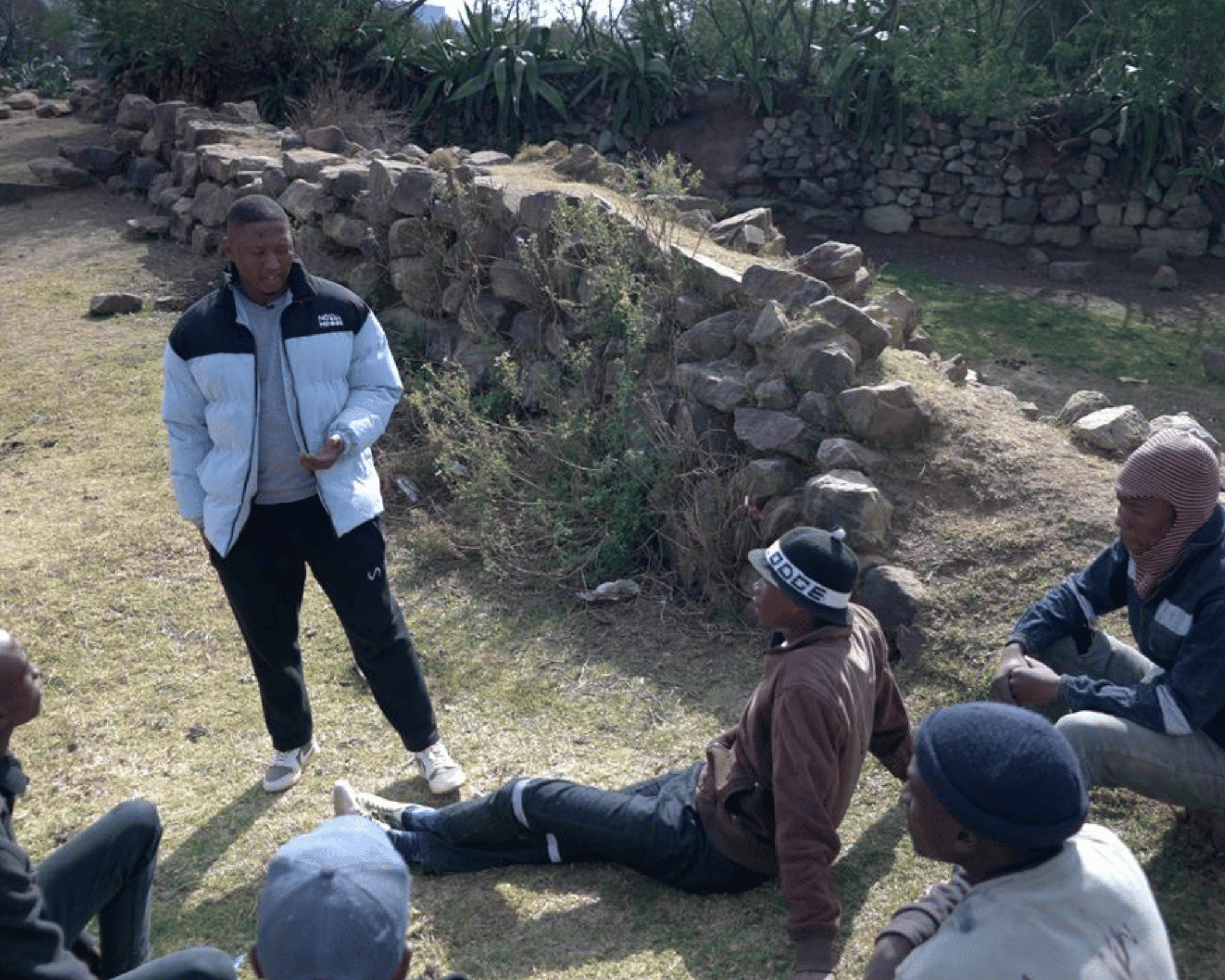
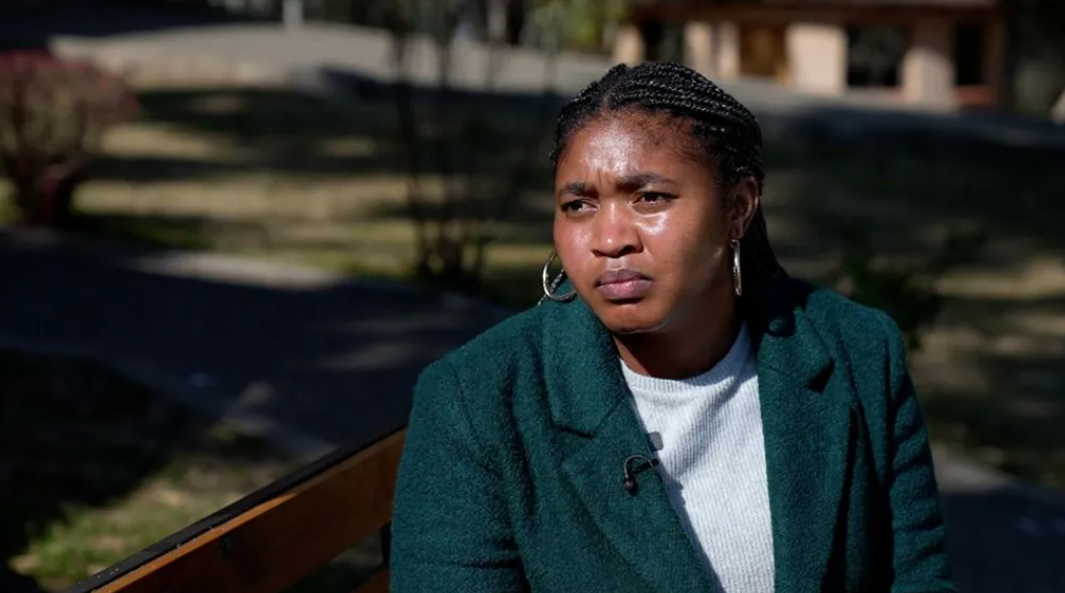
Above – Lineo Raphoka, a Psychosocial Support Officer with Help Lesotho, leading a session at Help Lesotho’s Seotlong Centre in Hlotse; photo credit BBC.


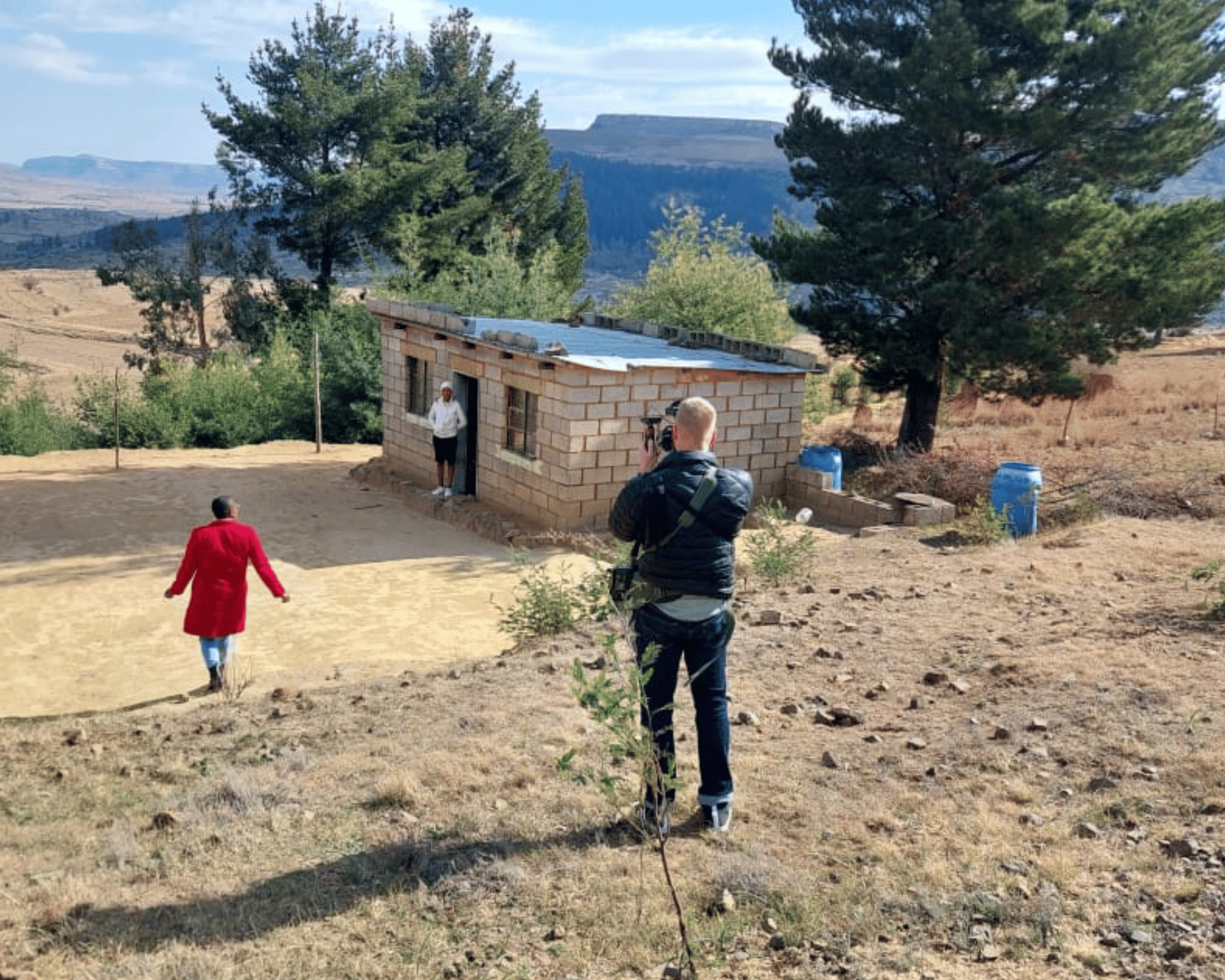
Last month, BBC African division reporter Andre Lombard visited the Leribe District of Lesotho. During his stay, he spent time at Help Lesotho’s Seotlong Centre in Hlotse, engaging with our program staff and participants. His objective was to delve into the mental health crisis in Lesotho and explore why the country has been identified by the World Health Organization as having the highest suicide rate in the world.

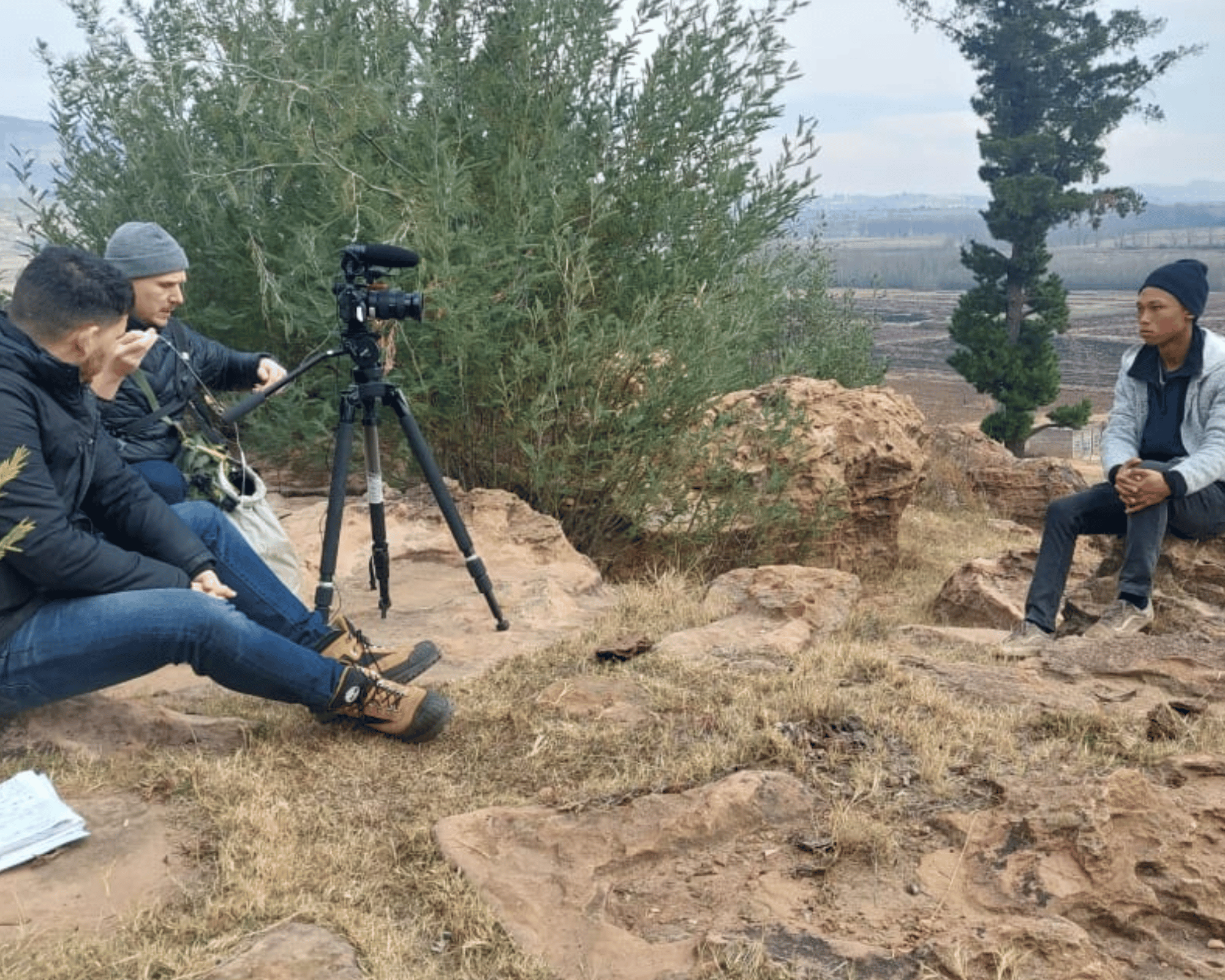
Mr. Lombard chose to feature Help Lesotho in his coverage as an example of what NGOs are doing to help. He sat in on mental health group sessions, visited the homes of our program participants, and interviewed our staff in order to grasp the depth of the crisis and the urgent needs that Help Lesotho’s work responds to.

We appreciate the BBC bringing this issue to light on a global stage.


BBC Coverage:

Help Lesotho’s Mental Health Approach

Understanding the Mental Health Crisis: The mental health crisis in Lesotho is multifaceted. With the second highest prevalence of HIV/AIDS in the world (approximately 20%), mental health issues such as depression and anxiety are abundant. Additionally, many Basotho face the daily stresses of poverty, food insecurity and unemployment. The lack of mental health infrastructure means that many people suffer in silence, unable to access the care they need. Mental health services, particularly in remote regions of the country, are scarce or non-existent, and the stigma surrounding mental illness often prevents individuals from seeking the help they need. 

Our Approach: Help Lesotho’s programming is focused on education, leadership development and psychosocial support. Our programs are designed to address the root causes of mental health issues and to provide sustainable solutions. Here’s how we are making a positive impact:

  • Building Resilience: A key component of Help Lesotho’s programming is to help individuals build their resilience. By teaching effective coping strategies for dealing with stress and adversity, individuals can feel empowered to manage their mental health proactively and overcome their obstacles.
  • Open Communication: Creating safe spaces for individuals to talk about their feelings and experiences is crucial. Support groups and counseling sessions provide these opportunities.
  • Positive Relationships: Building strong, supportive relationships within communities helps to reduce isolation and provides a network of care.

Our Impact: Help Lesotho has been supporting people to understand their mental health and improve their well-being for twenty years. Our program participants learn that they are not alone with their challenges, and that there is hope for a brighter future. We are witnessing the stigma related to mental health diminish every day. Our participants want others to know that they have been to the lowest point of their lives, and that they are relieved that they are still alive today. Their openness to share the pain that we have always known was consuming people is a monumental shift towards resilience for the Basotho nation. This is the critical mass we have been pouring our efforts into.

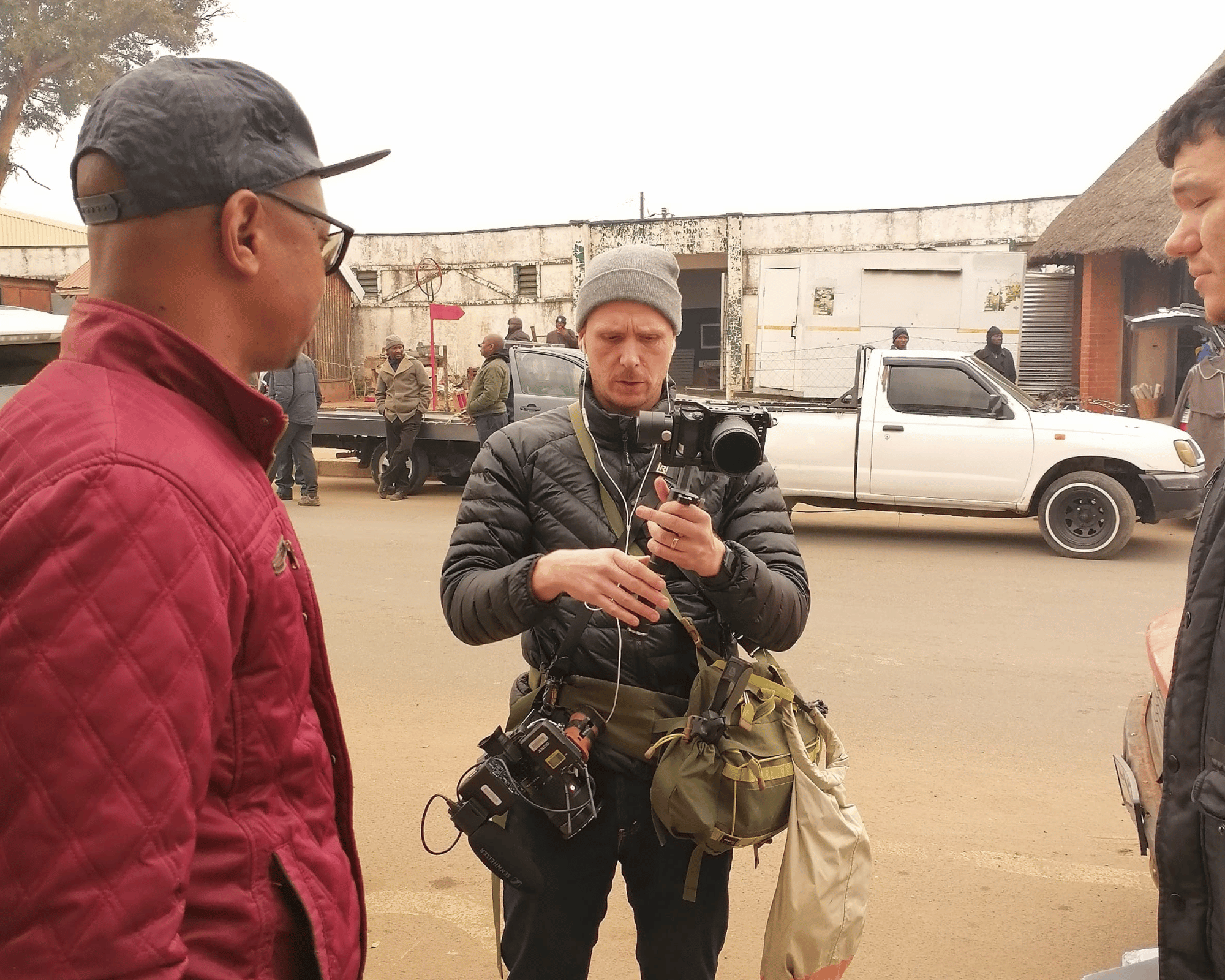
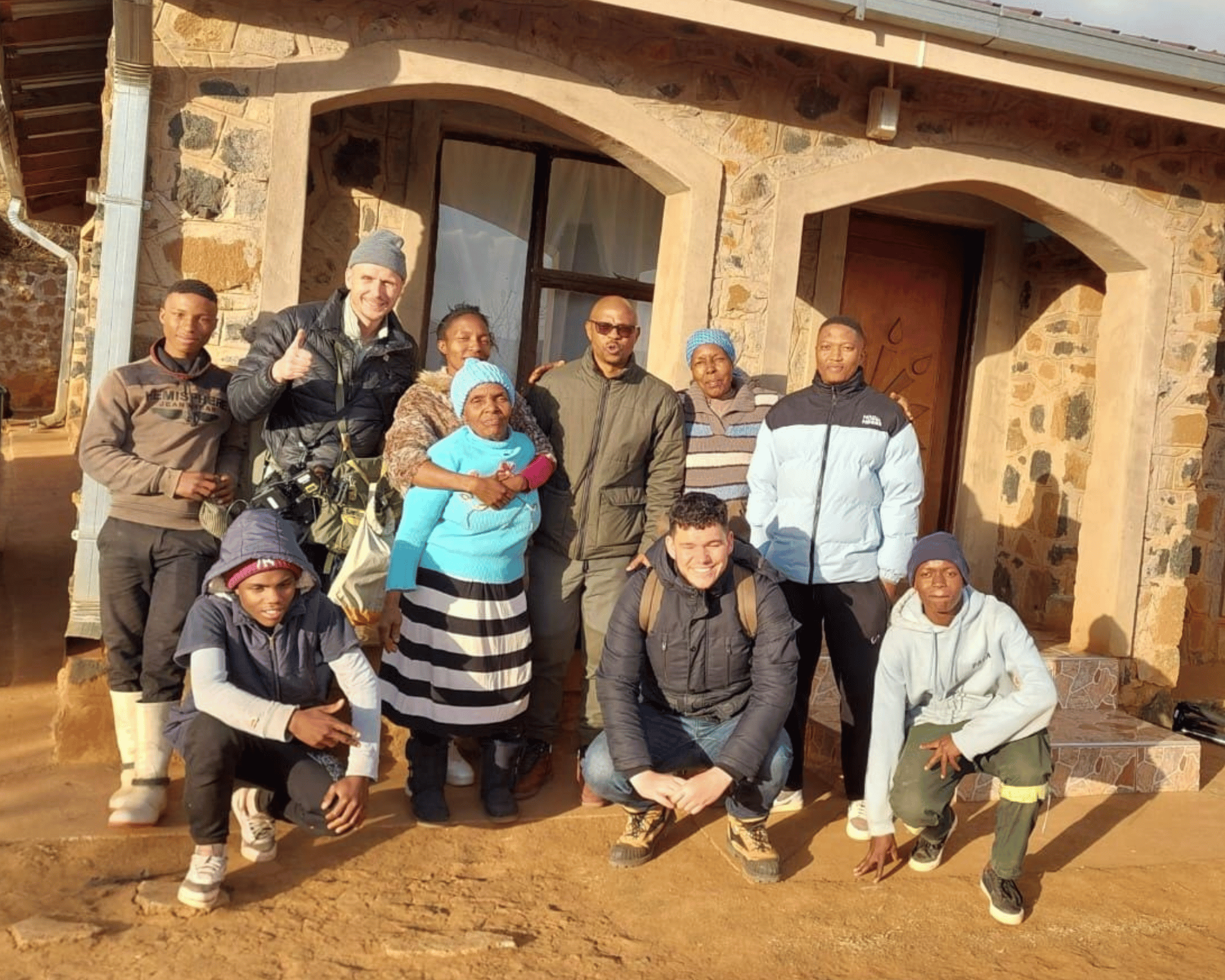
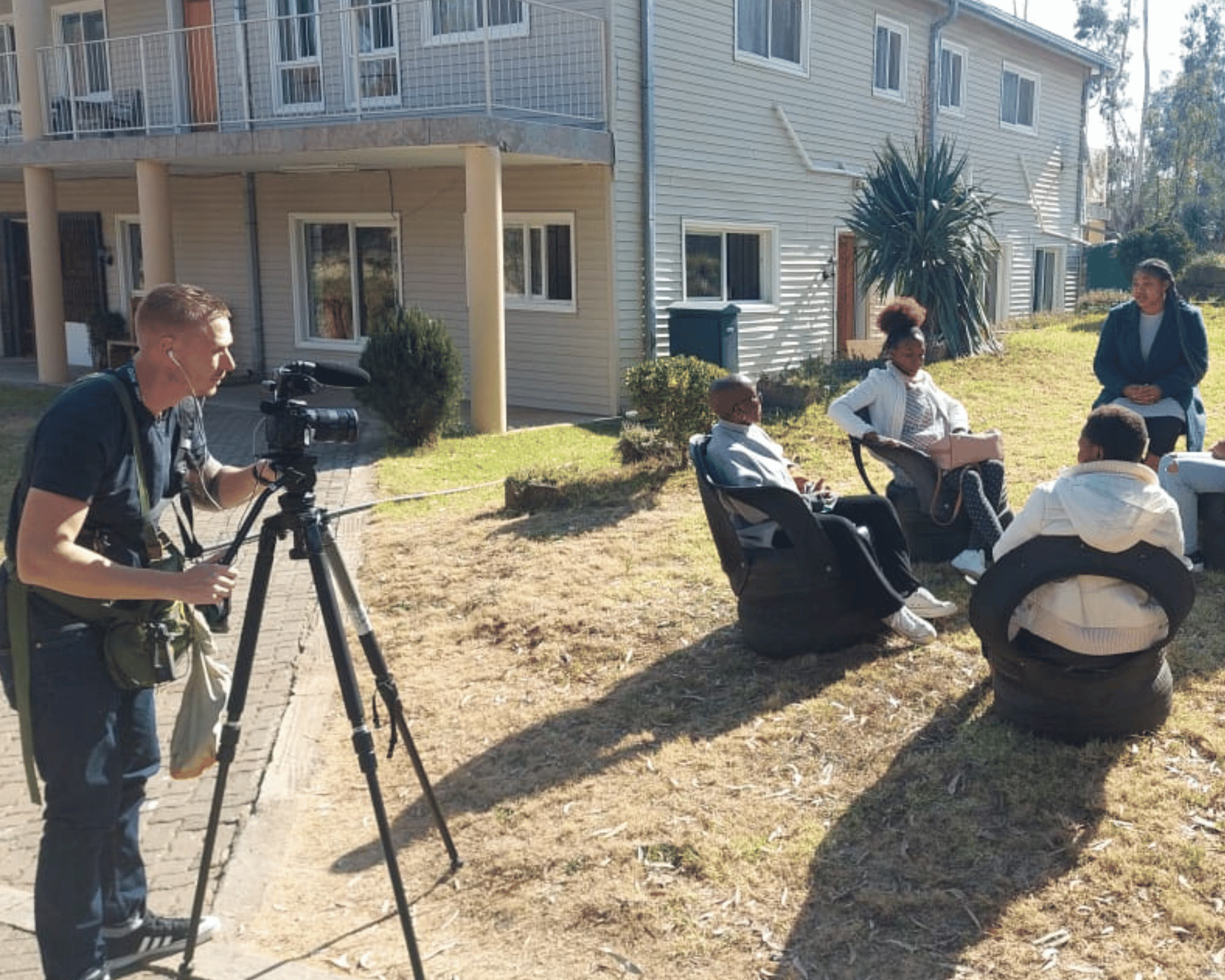
Photos from the BBC’s visit to the Hlotse Centre

BBC camera men with subject
The 2024 Young Mother Program

The 2024 Young Mother Program

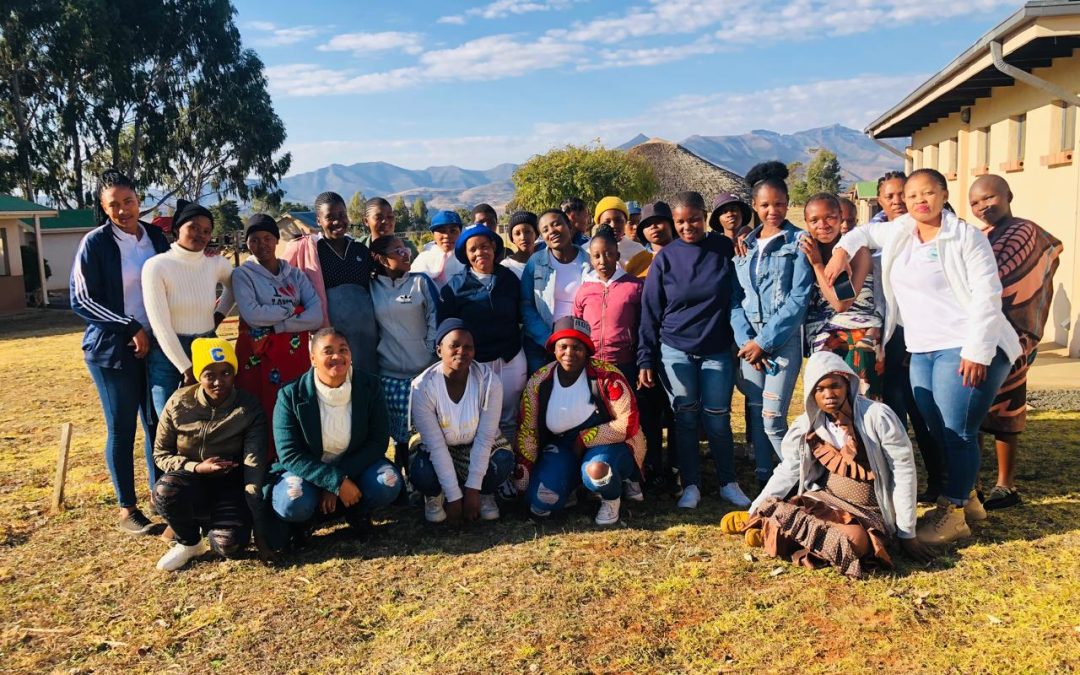
Our Young Mother Support Program empowers adolescent girls and young women facing the challenges of early motherhood. By fostering profound physical and emotional changes, the program boosts self-esteem and resilience among participants. Young mothers learn to confidently embrace their bodies and challenges, transitioning from feeling guarded to feeling open and supported. The program equips them to make informed decisions and support each other by nurturing and strengthening motherhood in their community!

Help Lesotho’s program not only supports young mothers but also benefits their children, both now and in the future. These children will grow up with mothers who are advocates for their rights, exemplify healthy relationships, value education, make informed decisions, and view parenting as a privilege.

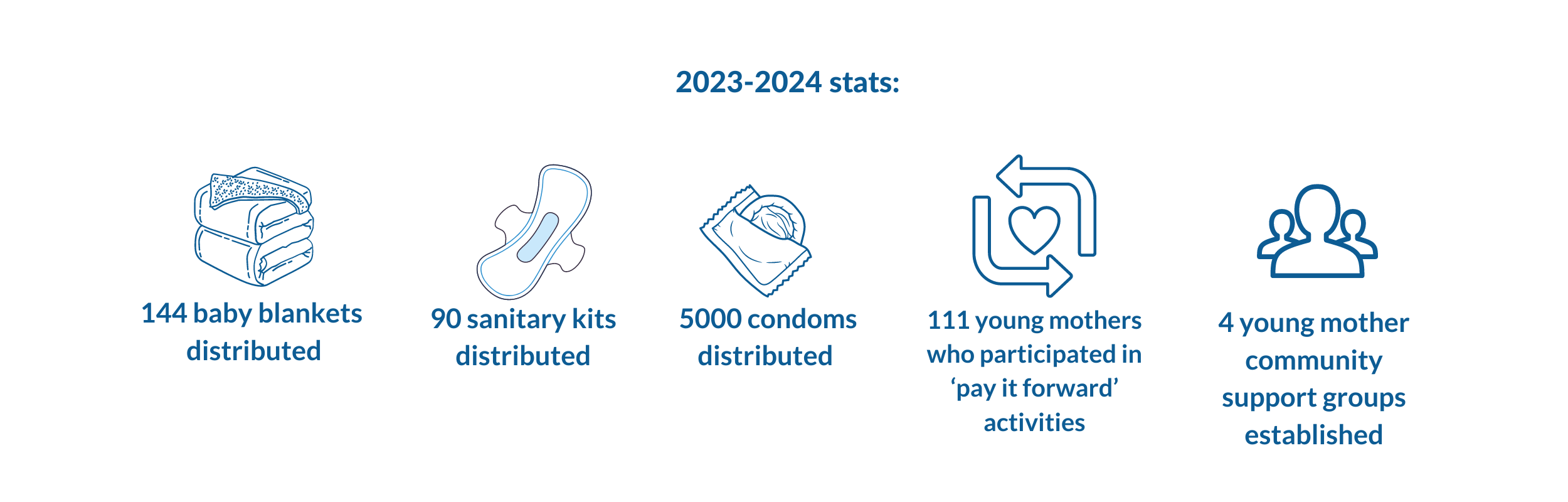
young mother 2023 program stats

In the Community

girlfce performance at pitseng
kate and the young mother program

(Above, left) A group of young mothers and grandmothers come together to watch a GIRL4ce performance. (Above, right) Executive Director, Kate Lambert snaps a photo with a group of young mothers from the Pitseng Centre, while on a recent trip to Lesotho.

Stories of Hope

Matsepo

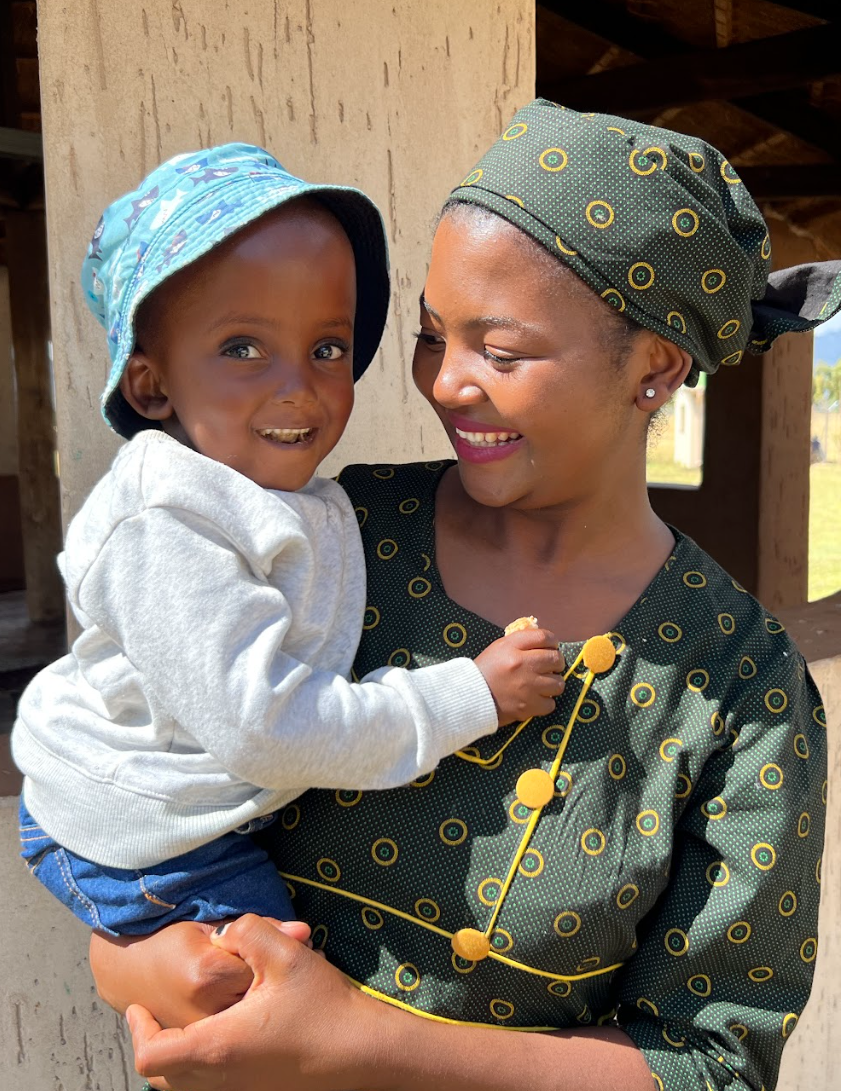
Matsepo Matsepo is a participant in the Pitseng Young Mother program. She has faced significant challenges since the birth of her son, Teboho, who has spina bifida. It was only when Teboho was born that they learned of his disability. It was a very scary time, one that Matsepo still hasn’t fully recovered from. She is grateful that Teboho is now five years old, although his future is still uncertain. Matsepo carries him everywhere, which is manageable for now due to his small size. Matsepo is a strong advocate for her son and has become an empowered young woman through her participation in the program.

Although she faces discrimination due to her son’s disability from community members, Matsepo has found a supportive network of other young mothers who help her navigate her challenges and lift her up. She knows she needs to surround herself with people who will help her stay strong for her child. She looks forward to each program session she attends because she always leaves feeling refreshed.

“We are learning to build ourselves, not just to depend on someone else. We are learning how to raise our kids in the right way.”

Mamatebele

Mamatebele joined Help Lesotho’s Young Mother Program in 2019, the same year her daughter was born. Today, her daughter is thriving at five years old. Mamatebele and her husband are farmers who rely on their yields to both feed their family and generate a small income. Life is challenging, but they are happy. They plan to welcome another child in the next couple of years – a conversation that would not have happened prior to Mamatebele’s participation in the Young Mother Program. 

Beyond caring for her family, Mamatebele currently volunteers as a tutor with Help Lesotho’s Smart Kids program. She takes great pride in her role and the positive impact she has on the children, expressing, “We are doing so many things with them to make them happy, that is my duty.”

Meet the 2024 Grandmother Program

Meet the 2024 Grandmother Program

Help Lesotho’s Grandmother Support Program operates on a two-year cycle, touching the lives of 200 grandmothers in each cohort. These resilient women face a myriad of challenges, from poverty and gender-based violence to the profound grief of loss, often while caring for children whose parents are either deceased or away for work. Your donations provide essential support, empowering these grandmothers to nurture and raise these children with love and care. Thank you for your generosity!

Nkhono Maselepe, 50

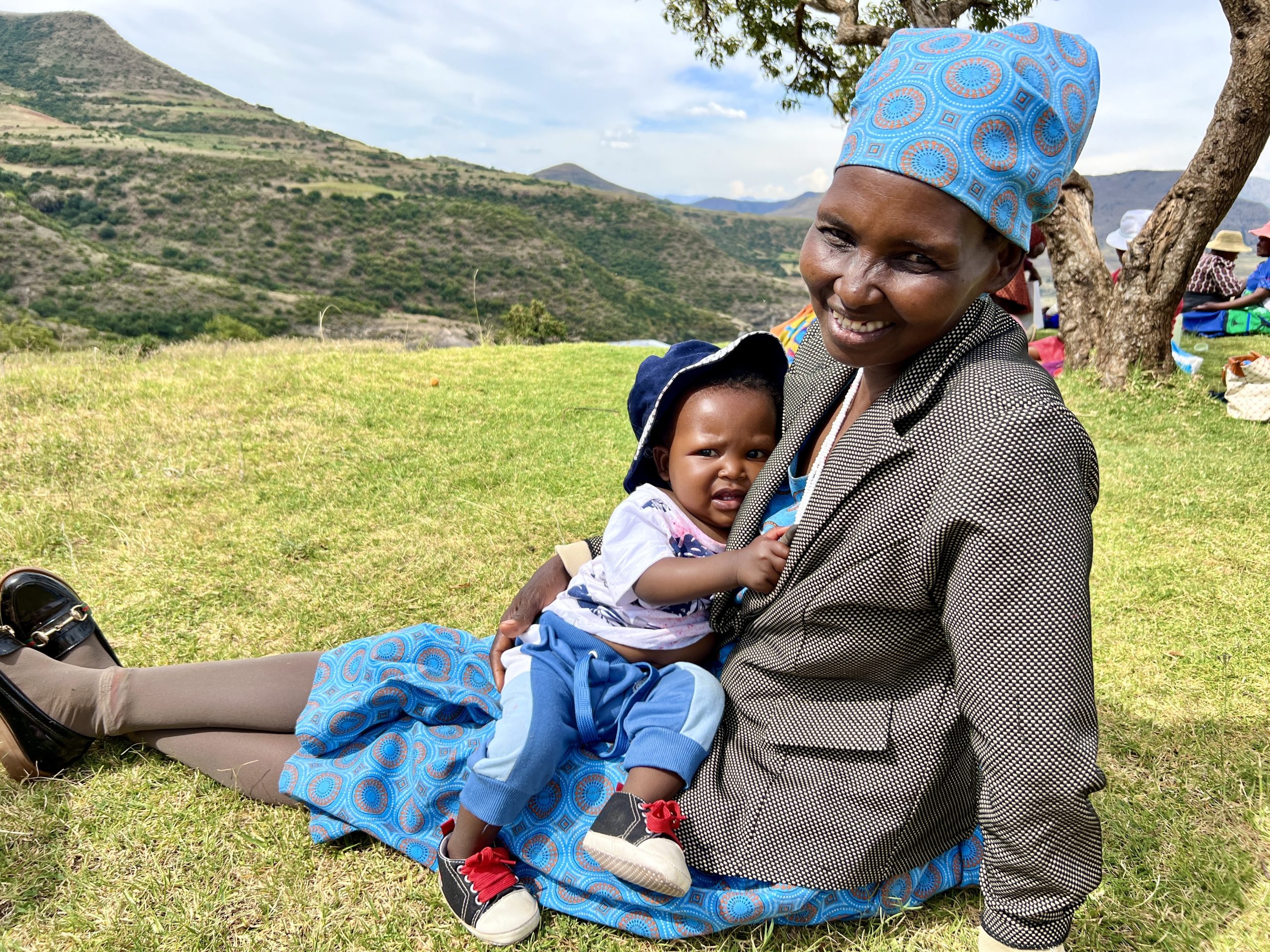
Nkhono Maselepe is among the youngest members of the Lichecheng grandmother group. She is the primary caregiver for three of her grandchildren, including her 10- month-old grandson (pictured), while her daughter looks for work in South Africa. Her son-in-law is presumed deceased after a mining accident.

Despite the challenges, Maselepe feels she is managing well, particularly with the aid of food relief parcels that have “made a huge difference.” She looks forward to the continuous positive impact of the sessions she attends.

Nkhono Maselepe

“Grief and loss topic was difficult. I was remembering so many people – my husband, my son-in-law.”

Nkhono Mateka

Nkhono Malintja

Nkhono Malintja finds great inspiration and support in Help Lesotho’s Grandmother Program, relishing her visits to the Pitseng Centre where she connects with other women. She takes care of four grandchildren, including two-year-old Litsoanelo, whom she often brings to training sessions, comfortably strapped to her back. For Malintja, these gatherings are more than educational; they are a vital source of community and support as she navigates the responsibilities of caring for her grandchildren.

“I love this program!” she says. 

Nkhono Masaietsa, 84

Nkhono Masaietsa’s journey is a testament to resilience. Despite facing immense loss (7 of her 10 children have passed away), she remains a primary caregiver and supportive role model for 4 of her grandchildren. She loves coming to the Grandmother Program sessions and being around other women who are facing similar situations to hers.


“I feel so supported now. I am telling [others] everything I can about the things I learn here,” she says.

Nkhono Masaietsa
Breaking the Silence: Menstrual Hygiene in Lesotho

Breaking the Silence: Menstrual Hygiene in Lesotho

Period stigma is a pervasive issue in Lesotho, much like in many other countries around the world. The topic of menstrual hygiene is shrouded in taboo, leaving many young girls unprepared and uninformed when they first experience menstruation. As Lesotho is a religious country (80% Christian) often young girls feel as though they are being punished by a higher power when they first get their periods. The lack of education around menstruation means they are unaware of how to manage their periods with care and dignity.

This issue is multifaceted and has far-reaching consequences:

  1. Lack of Supplies and Education: Many girls in Lesotho do not have access to the necessary supplies to manage their periods. This lack of resources often leads to them missing numerous days of school each month, impacting their education and future opportunities. Without proper menstrual hygiene products, girls are forced to use unsafe and unsanitary methods, further compromising their health and well-being.

  2. Vulnerability and Exploitation: The taboo surrounding menstruation means that many girls are unaware of what menstruation means for their bodies. This ignorance can make them vulnerable to exploitation by boys and men who may take advantage of their lack of knowledge. Girls who do not understand the changes in their bodies are less likely to protect themselves from sexual abuse and other forms of exploitation.
  3. Human Trafficking: The lack of education and resources for managing menstruation can also tie into broader issues such as human trafficking in Lesotho. Girls who miss school are more likely to drop out, making them vulnerable to trafficking and other forms of exploitation. The absence of a safe and supportive environment exacerbates their vulnerability, making them easy targets for traffickers who prey on their desperation and lack of opportunities. More information on the dangers of human trafficking can be found here.
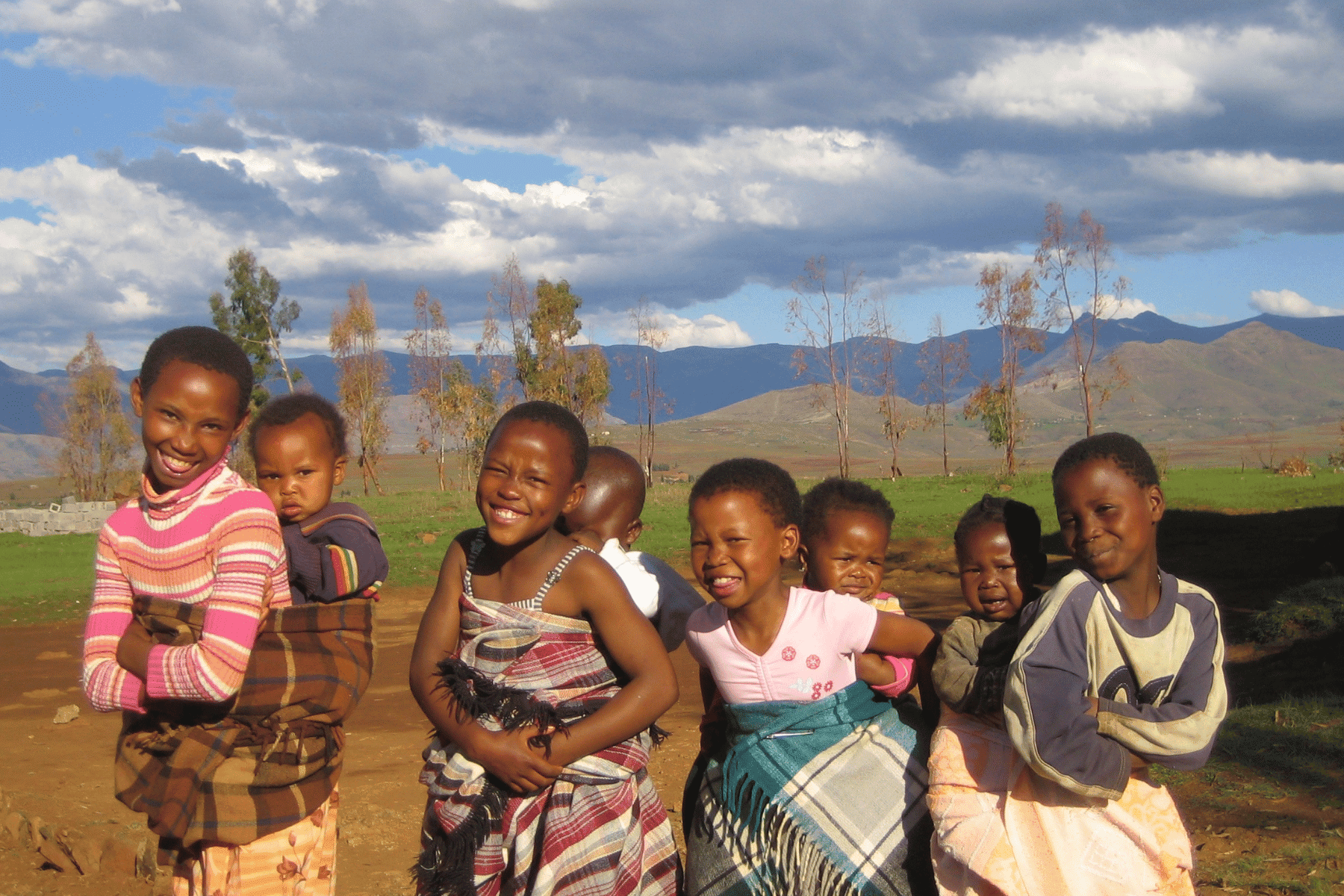
young girls in lesotho, with siblings
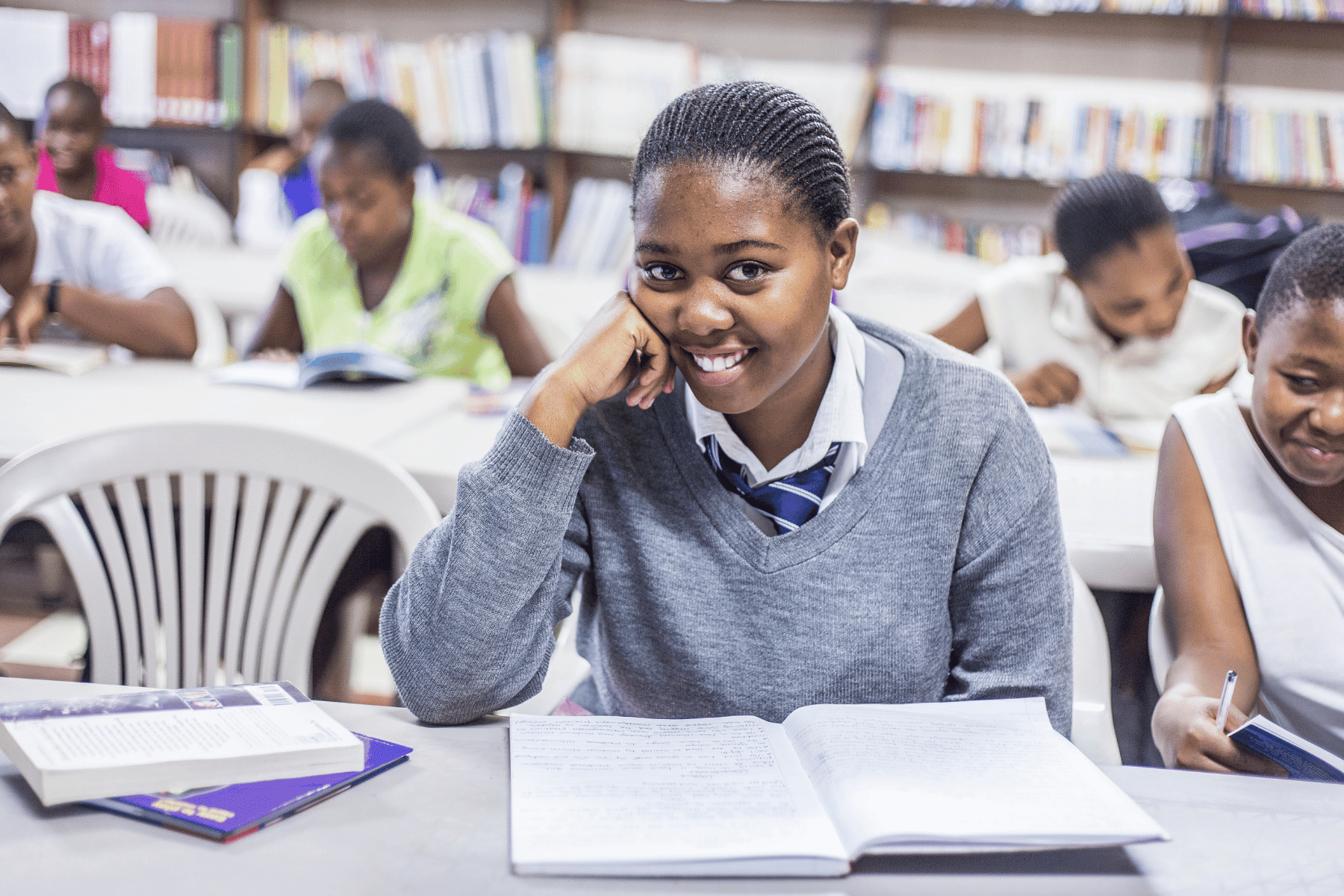
girl at desk smiling

Breaking the Cycle

For years, Help Lesotho has been dedicated to tackling these challenges and breaking the stigma surrounding menstrual hygiene in the country. Through the Pearl Program and the Young Mother Program, we educate women and girls about their bodies and how to manage menstruation safely. Our initiatives also extend to boys and men, teaching them about menstruation and fostering respect towards women and girls, creating a more informed and supportive community.

Menstrual hygiene is not just a health issue; it is a matter of human rights and dignity. By addressing period stigma and providing the necessary education and resources, we can help ensure that girls in Lesotho can attend school, protect themselves from exploitation, and lead healthier, more empowered lives. Breaking the silence around menstruation is a critical step towards achieving gender equality and improving the lives of girls and women in Lesotho.

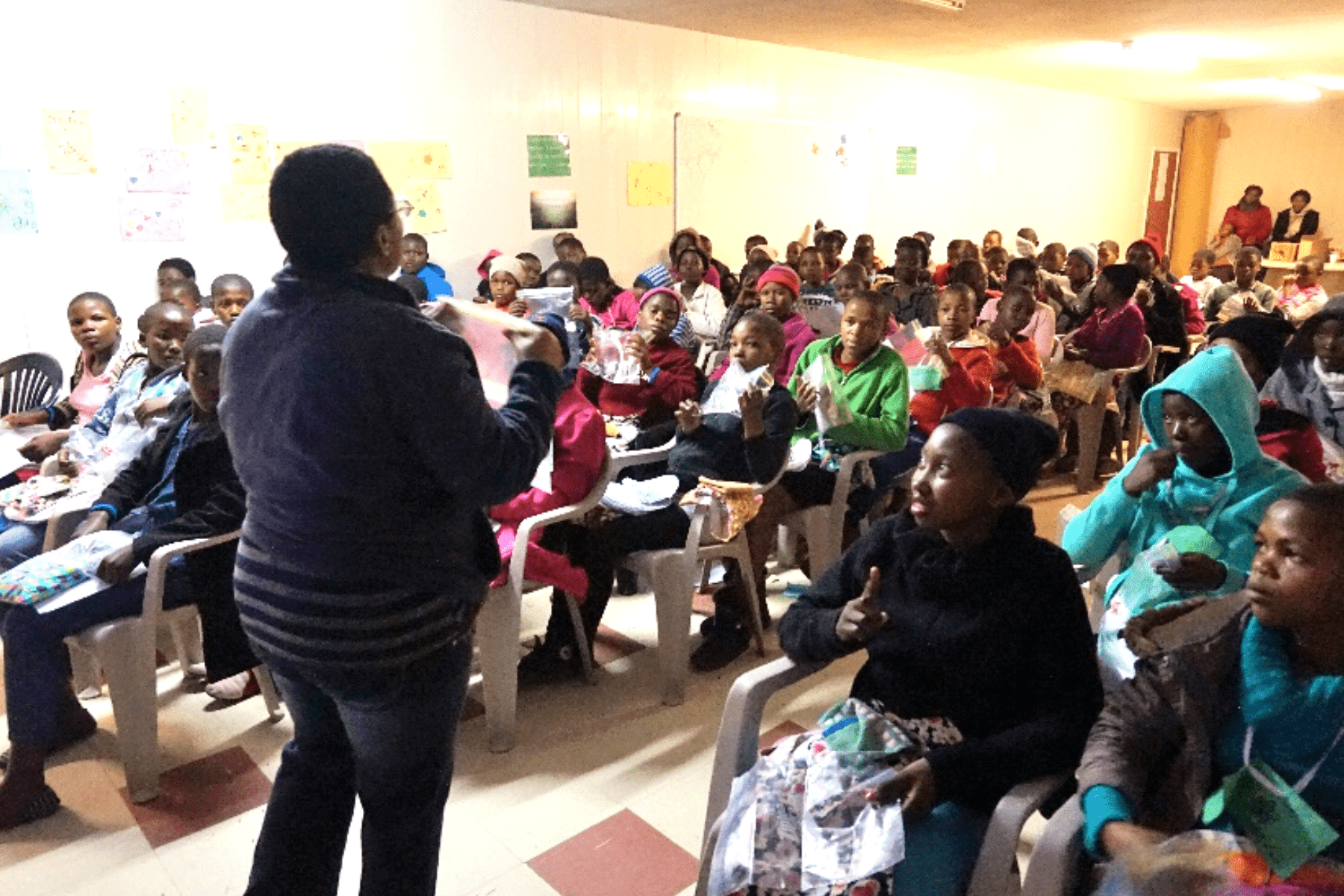
classroom, menstrual hygiene education
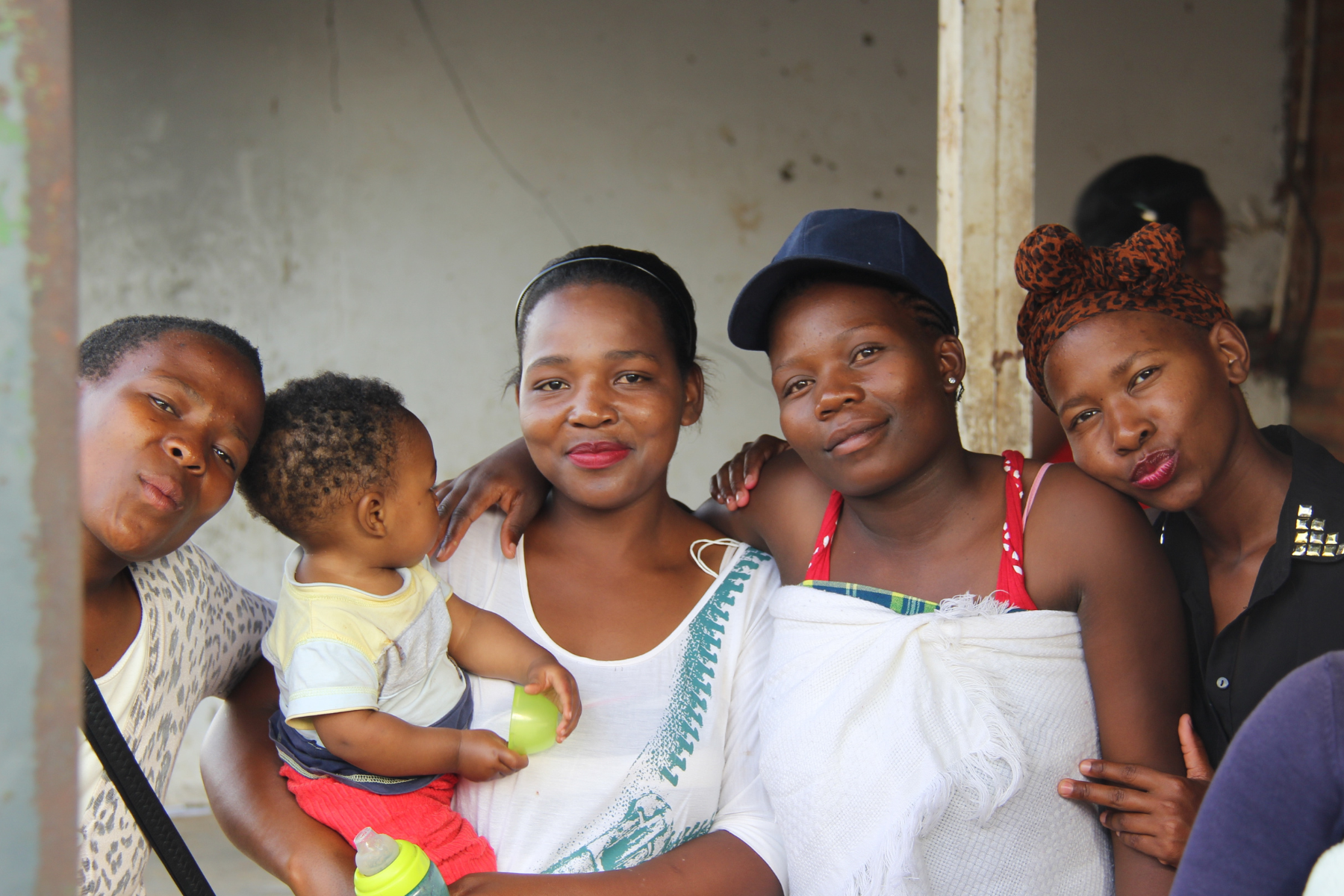
young mothers in Lesotho

Help Lesotho’s Sanitary Kits

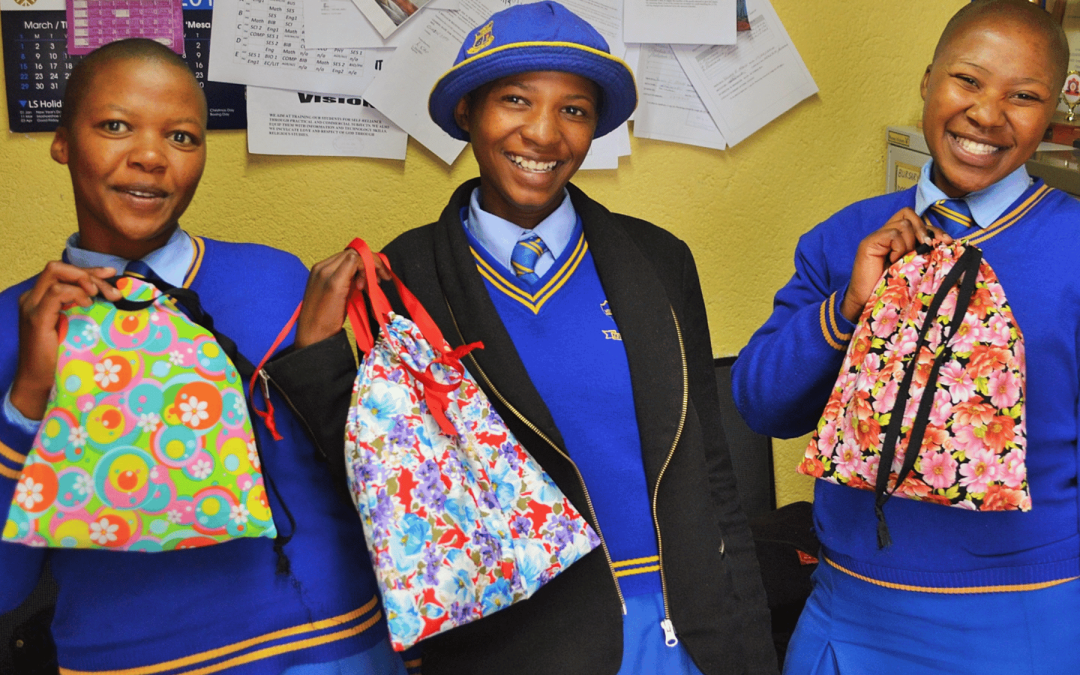
As a part of our Gifts That Give Hope collection, we offer donors the opportunity to purchase sanitary kits to be distributed to girls and women in need, in Lesotho. These kits include approximately six months worth of supplies including: a box of sanitary pads, underwear, soap and a washcloth. A Sanitary Kit goes a long way towards helping a girl manage her period with confidence, dignity and ease. To make your donation for a kit, click here.

sanitary kit stat