Smart Kids Volunteer Stories

Smart Kids Volunteer Stories

What is the Smart Kids program?

The initiative was born out of the amplified need to support kids with education and mental health support in 2021, during the COVID-19 lockdown restrictions, when children attended school only on a weekly basis. For example, they would go to school just once a week, and teachers assigned a significant amount of homework for them to complete at home.

The project was established to assist these children, many of whom live in child-headed families or with grandparents and guardians who are often not educated, making it difficult for them to provide support. In essence, this literacy project aims to help children with their schoolwork while also offering social-emotional support.

The need is ever-present and the impact has been far greater than we would have imagined!

Stories from Our Smart Kids Volunteers
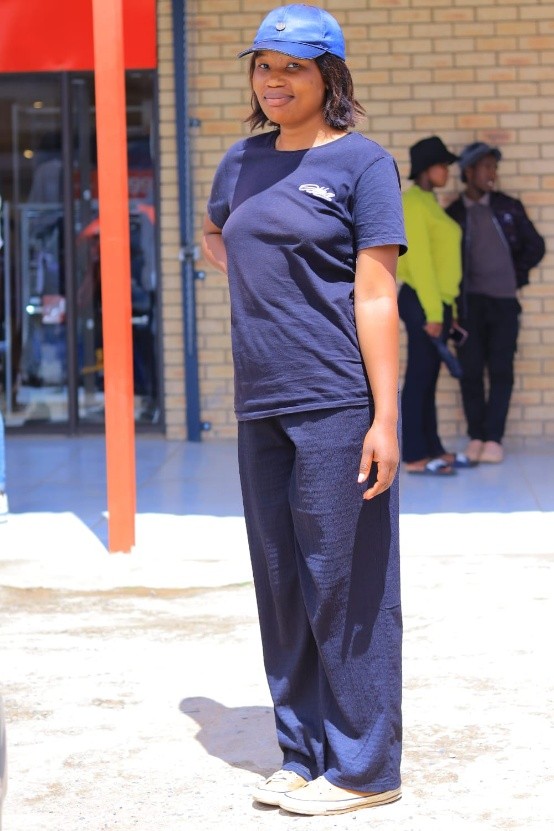
Finding Healing Through Helping Others

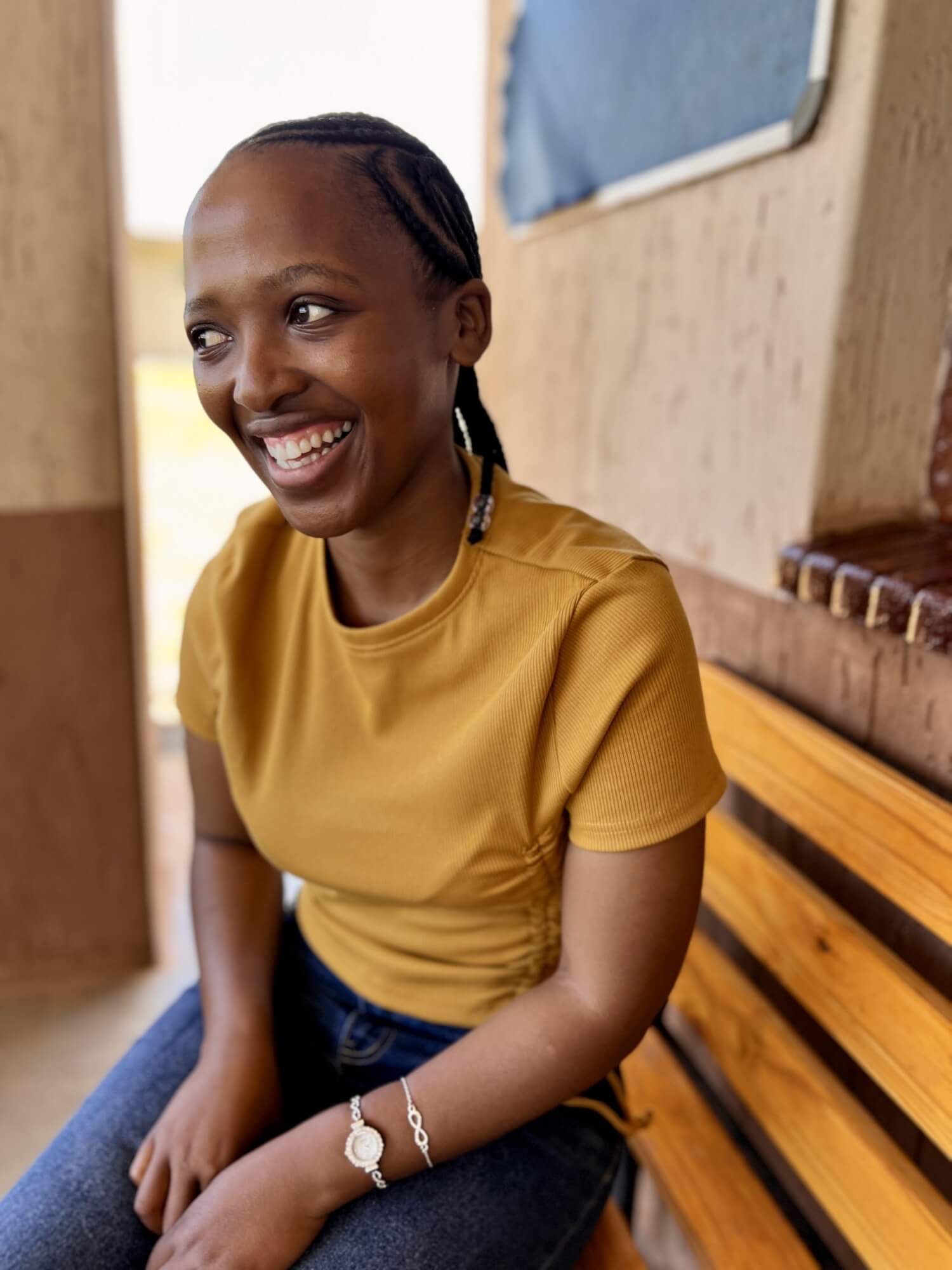
My name is Boitumelo and I'm 25 years old. Growing up, I faced a life-altering experience when I lost my parents at a young age. This challenging time shaped my perspective and motivated me to make a difference in my community.

As I navigated my way through adolescence, I realized the importance of support and guidance. That's why I chose to volunteer with Help Lesotho, an organization that aligns with my values and passion for helping others. Working with children in my community has been a transformative experience for me.

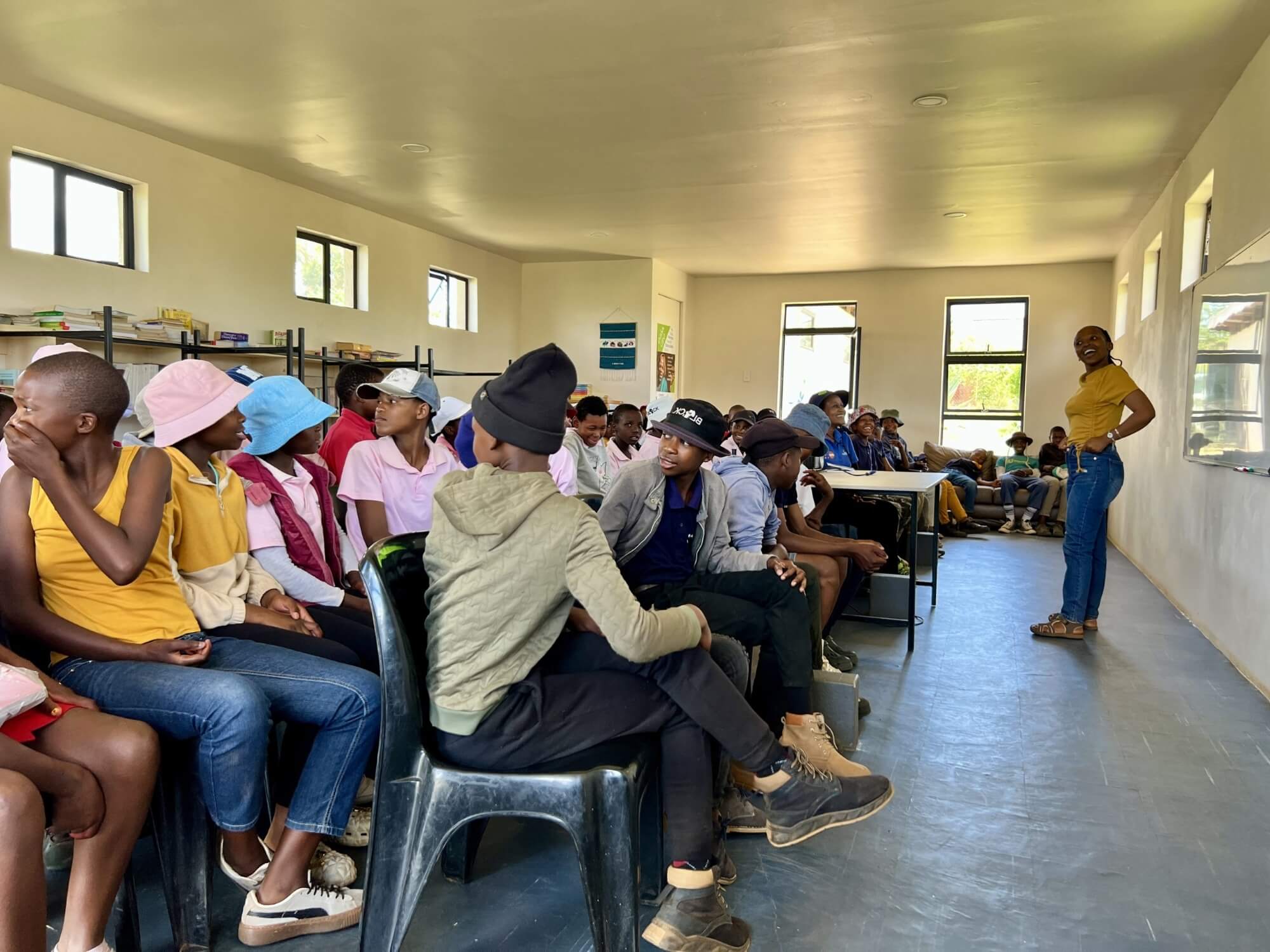
Through my work with Help Lesotho, I've had the opportunity to tutor and mentor children after school. Seeing them grow and learn has been incredibly rewarding. One moment that stood out to me was when a child I was working with finally grasped a concept they'd been struggling with. Their smile and sense of accomplishment were contagious, and it reminded me of the impact I can have on their lives.

Volunteering with Help Lesotho has helped me heal and find purpose. I've gained a sense of fulfillment and joy in helping others, and I've developed empathy and understanding for the challenges that children in my community face. This experience has taught me the value of giving back and has helped me grow as a person.

I'm grateful for the opportunity to make a positive impact in my community, and I hope that my story can inspire others to do the same. By sharing my experience, I want to emphasize the importance of volunteering and giving back. It's a reminder that we all have the power to make a difference in the lives of others.

This program changed my life

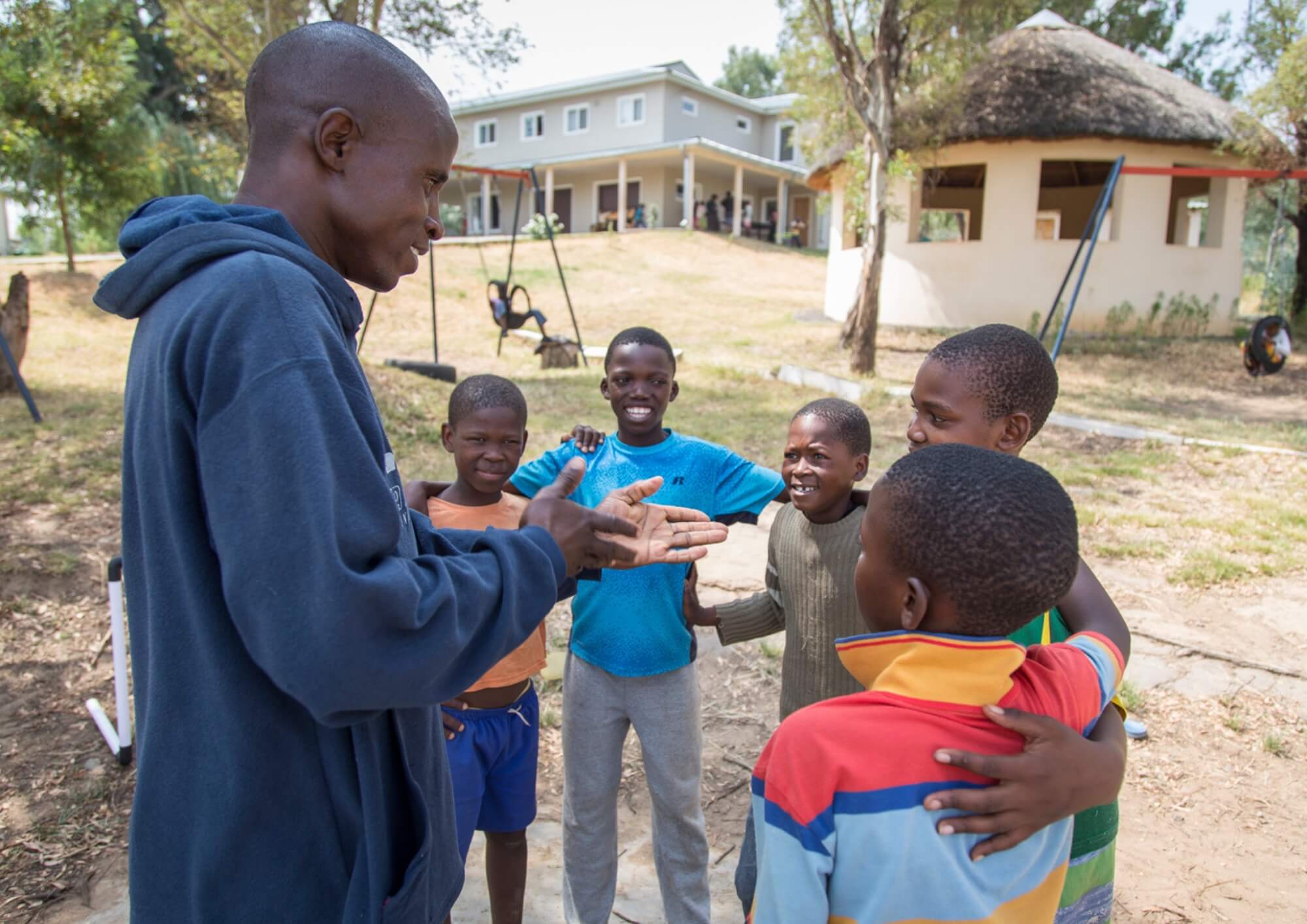
I am Matumo, 34 years old, from Qoqolosing Leribe. I have three years working as volunteer in my village. I was helping the children by doing their assignments, gave them work to do by using booklets, and enjoying to play some games. When I first met these children, they were bored because no one who kept them busy, other kids played in the danger places.
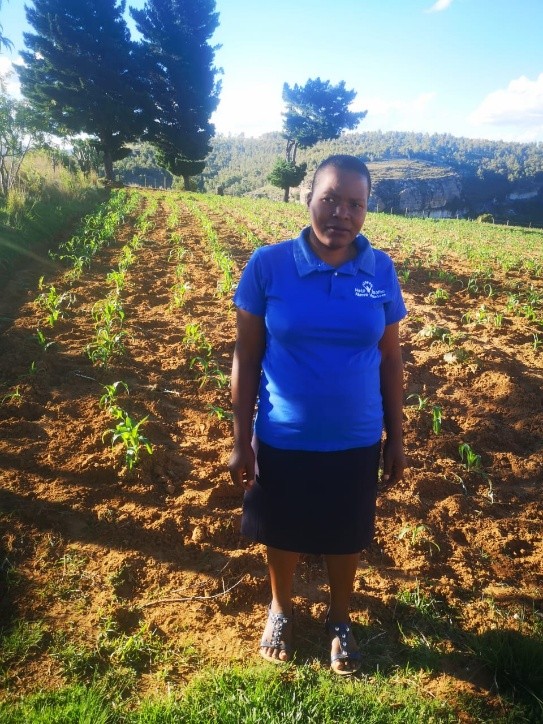
This program changed my life because I have communication skills, I listen when they are talking, I am a teacher in my village. The parents trust me by sending their kids to the tutoring session every day. It changed children's lives because they were learning how to read and write.

Today in my village it is nice because the kids know a good place where they can enjoy, doing school work and where they can share their problems.

So… nobody’s heard of Lesotho? Let’s fix that!

So… nobody’s heard of Lesotho? Let’s fix that!

Recently, it’s come to our attention that some people think nobody has heard of Lesotho. Well, we’re here to change that.

Lesotho is so much more than just a name on a map. It’s a nation full of history, culture resilience, and breathtaking beauty. Let’s take a moment to appreciate what makes the Kingdom of Lesotho truly remarkable!

A nation of 2.3 million kind and courageous people

Lesotho is home to the Basotho people, who have a rich cultural heritage and a deep sense of community. Their language, Sesotho, is one of the country’s official languages and is spoken with pride across the nation. The Basotho are known for their warmth, hospitality, and unwavering spirit, always supporting one another through challenges.

A country of breathtaking beauty

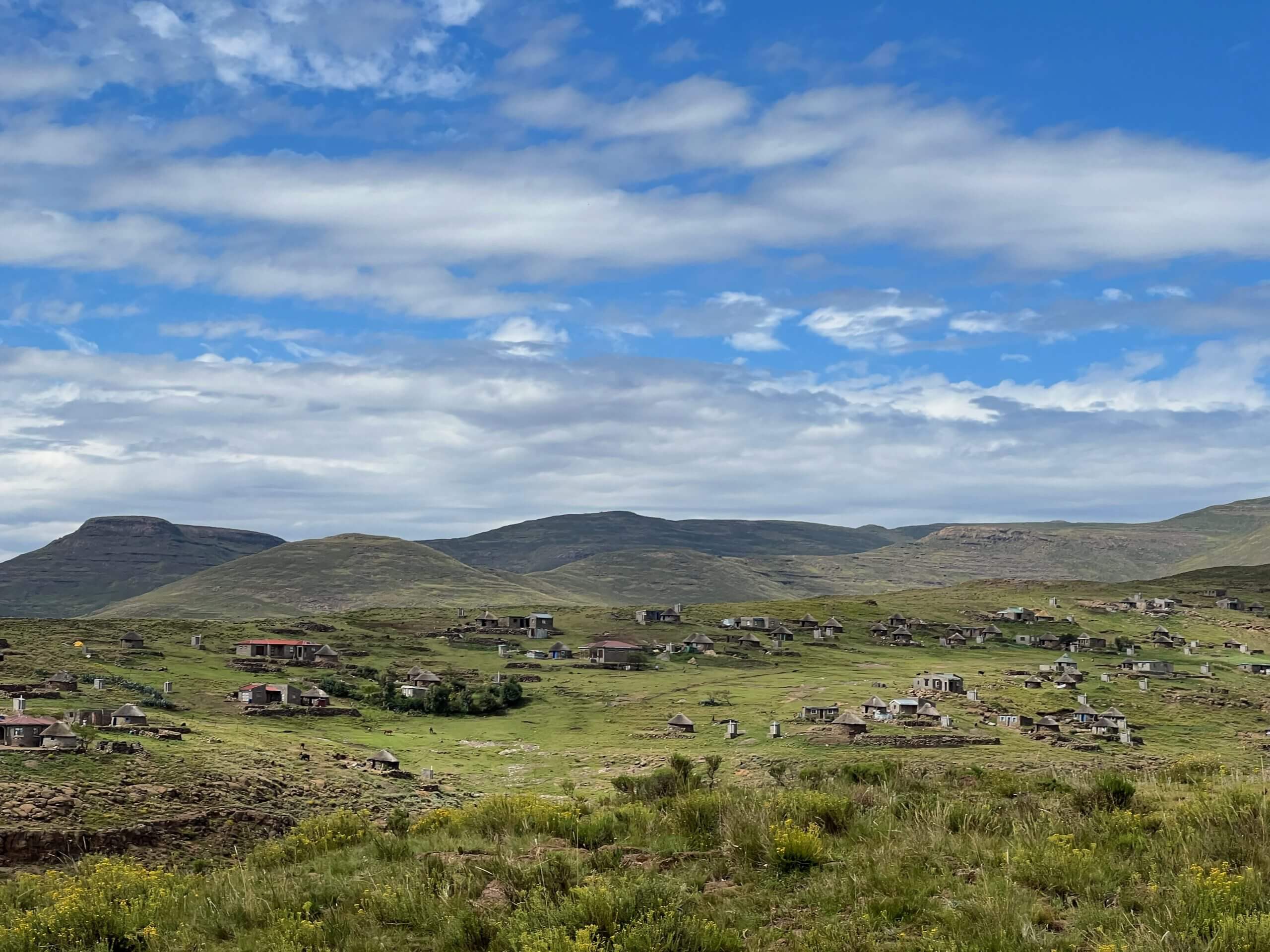
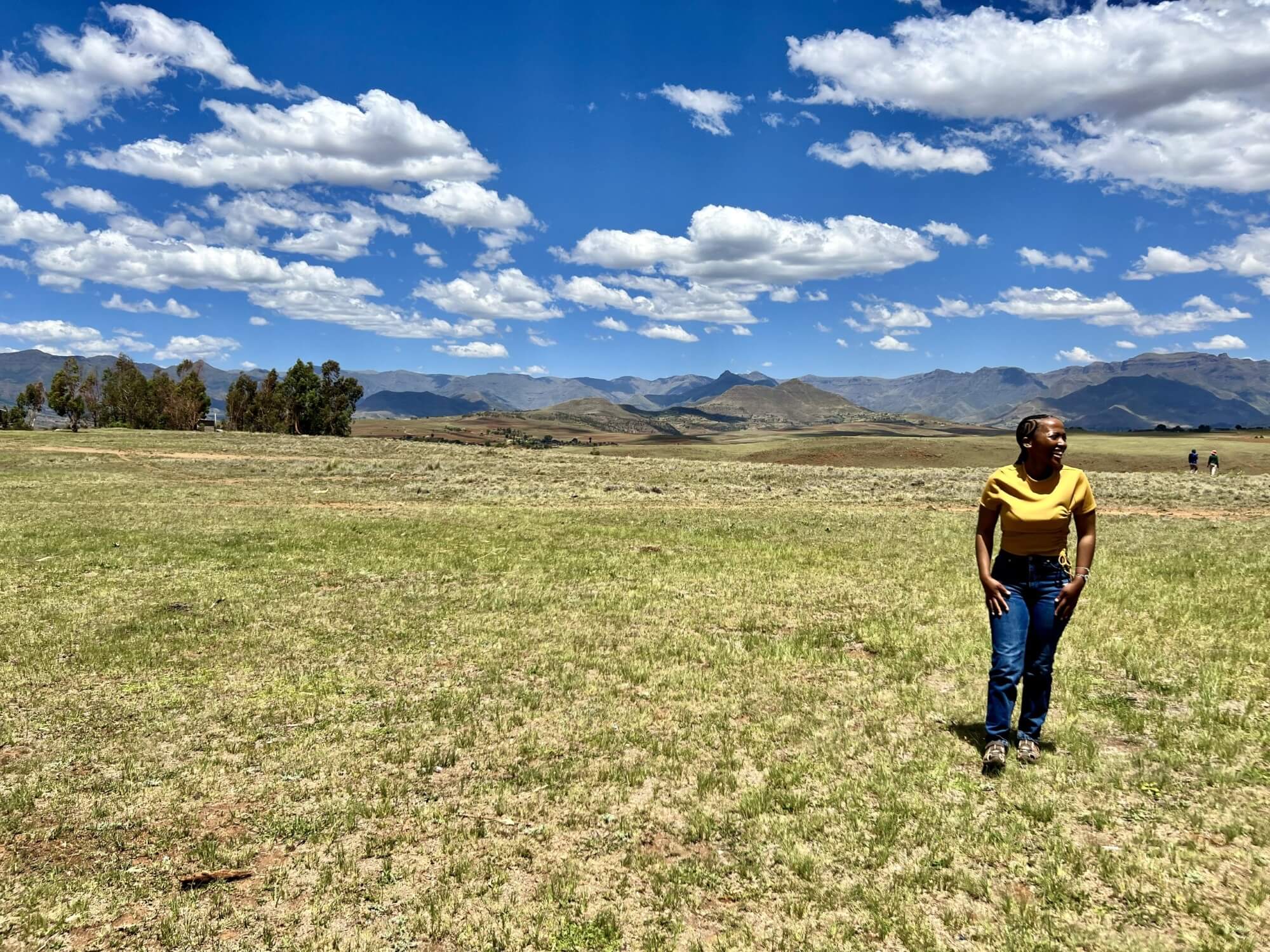
Nicknamed the “Kingdom in the Sky”, Lesotho is the only country in the world entirely above 1,400 meters (4,600 feet) in elevation. Its majestic mountains, rolling hills and stunning rivers will have you in awe. From the famous Maletsunyane Falls, one of the highest single-drop waterfalls in Africa, to the scenic Sani Pass, Lesotho is a hidden gem for nature lovers.

A country of rich culture and tradition

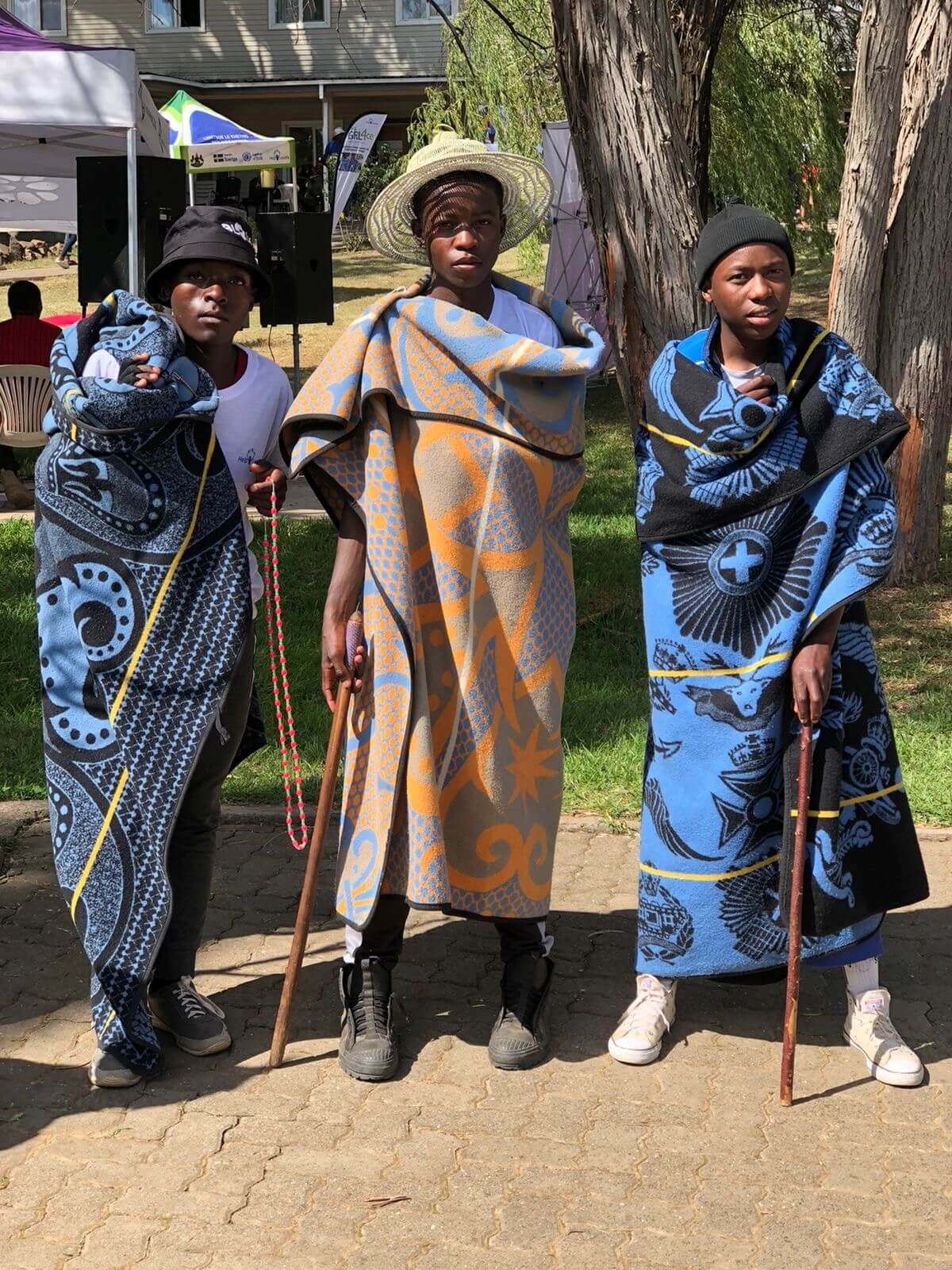
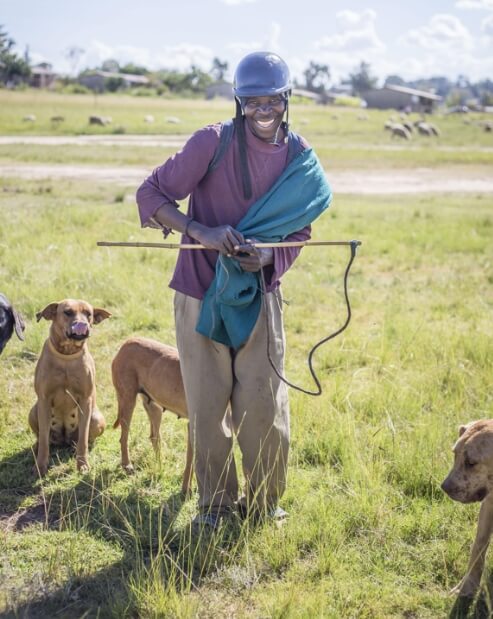
The Basotho blanket, a vibrant and symbolic piece of clothing, is a staple of the nation’s identity. These blankets are worn with pride and carry deep cultural meaning. Lesotho is also known for its horse-riding heritage, as horses are essential for transportation in the mountainous terrain. Traditional ceremonies and storytelling traditions remain strong, connecting generations through shared history and values.

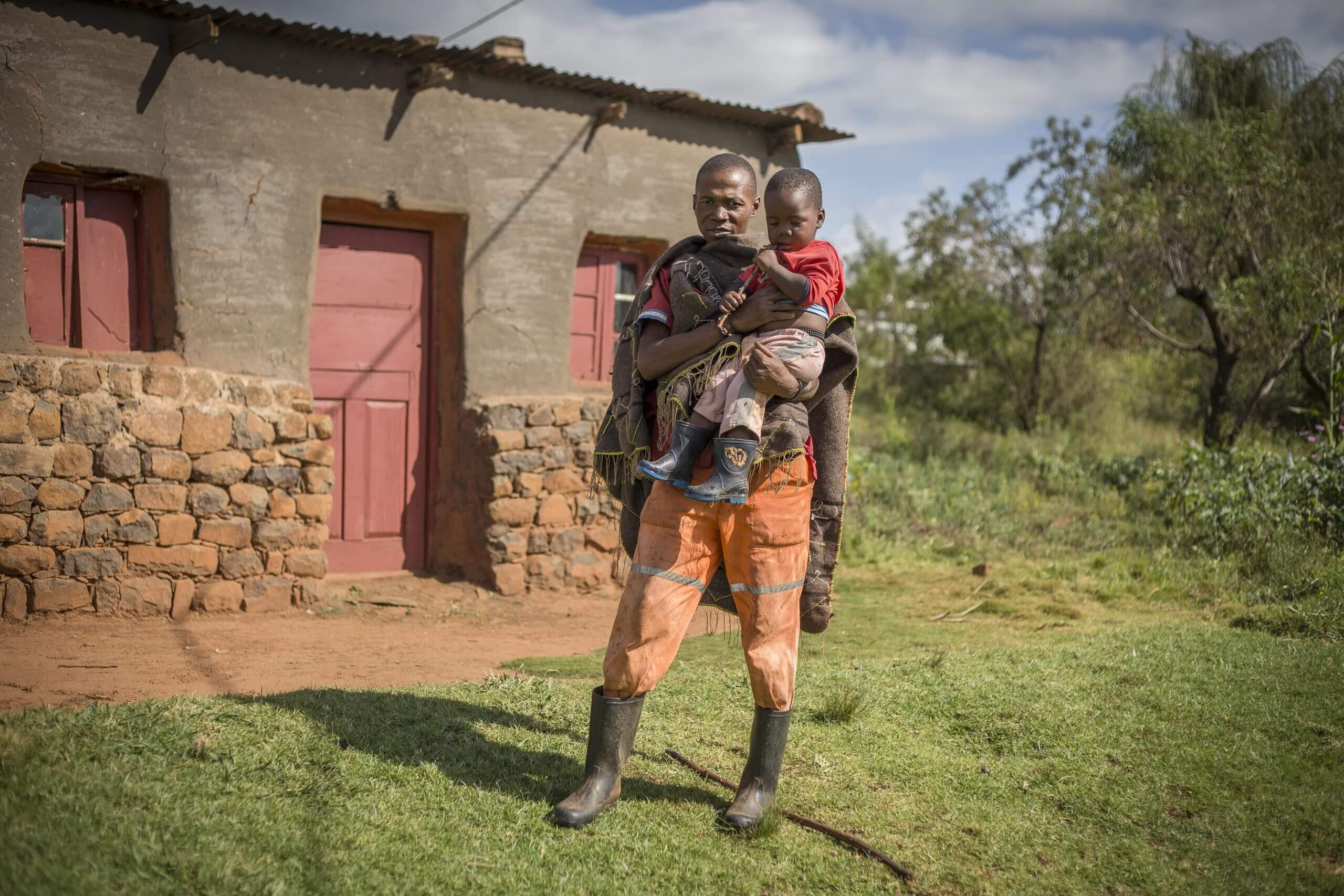
In Lesotho, mothers and grandmothers carry their babies (or grand-babies) on their backs wrapped in a traditional Basotho blanket or towel. This keeps babies clean, warm and protected from all the red dust that blows throughout the tiny mountain kingdom. In addition, it keeps mom’s hands free to do her daily chores.

A country made of resilient communities

Despite economic challenges and harsh winters, the people of Lesotho are incredibly resilient and resourceful. Many Basotho rely on subsistence farming to provide for their families, growing crops like maize and beans. Community-driven initiatives help to support families and strengthen local economies. Help Lesotho work directly with a number of rural communities and schools to provide essential resources, education and support.

A country with beautiful music and dancing

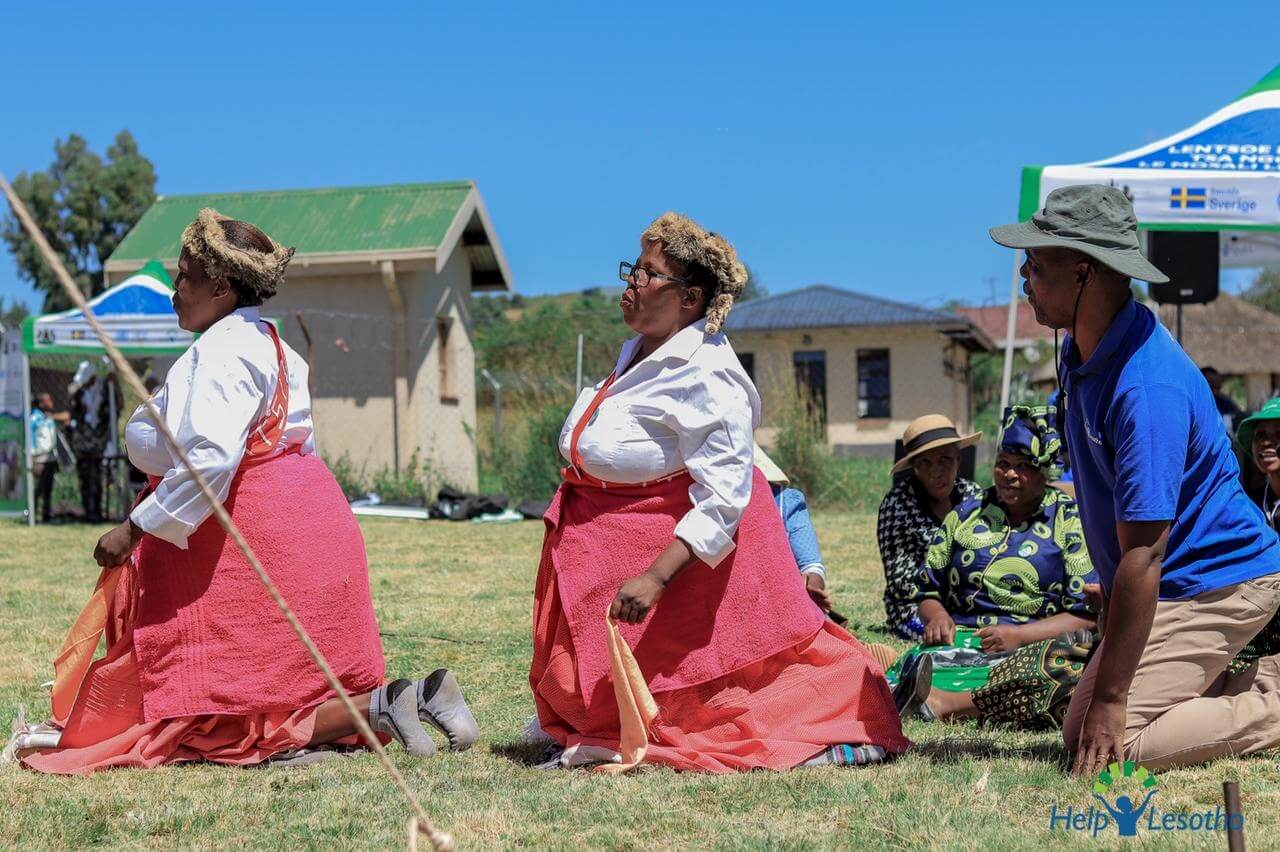
Music and dance are at the heart of Basotho culture. Famo music, a traditional genre featuring the accordion, rhythmic drumming and poetic lyrics, tells the stories of the people—of struggle, love and resilience. The mokhibo and mohobelo dances performed by all ages, showcase the vibrancy of the Basotho spirit. It’s common that during a Help Lesotho program session, participants regularly break into song and dance!

We put together a fun video celebrating all the things that makes Lesotho so special, you can watch this video here. We encourage you to share it with your networks to spread the word!

Transformed Young Men

Transformed Young Men

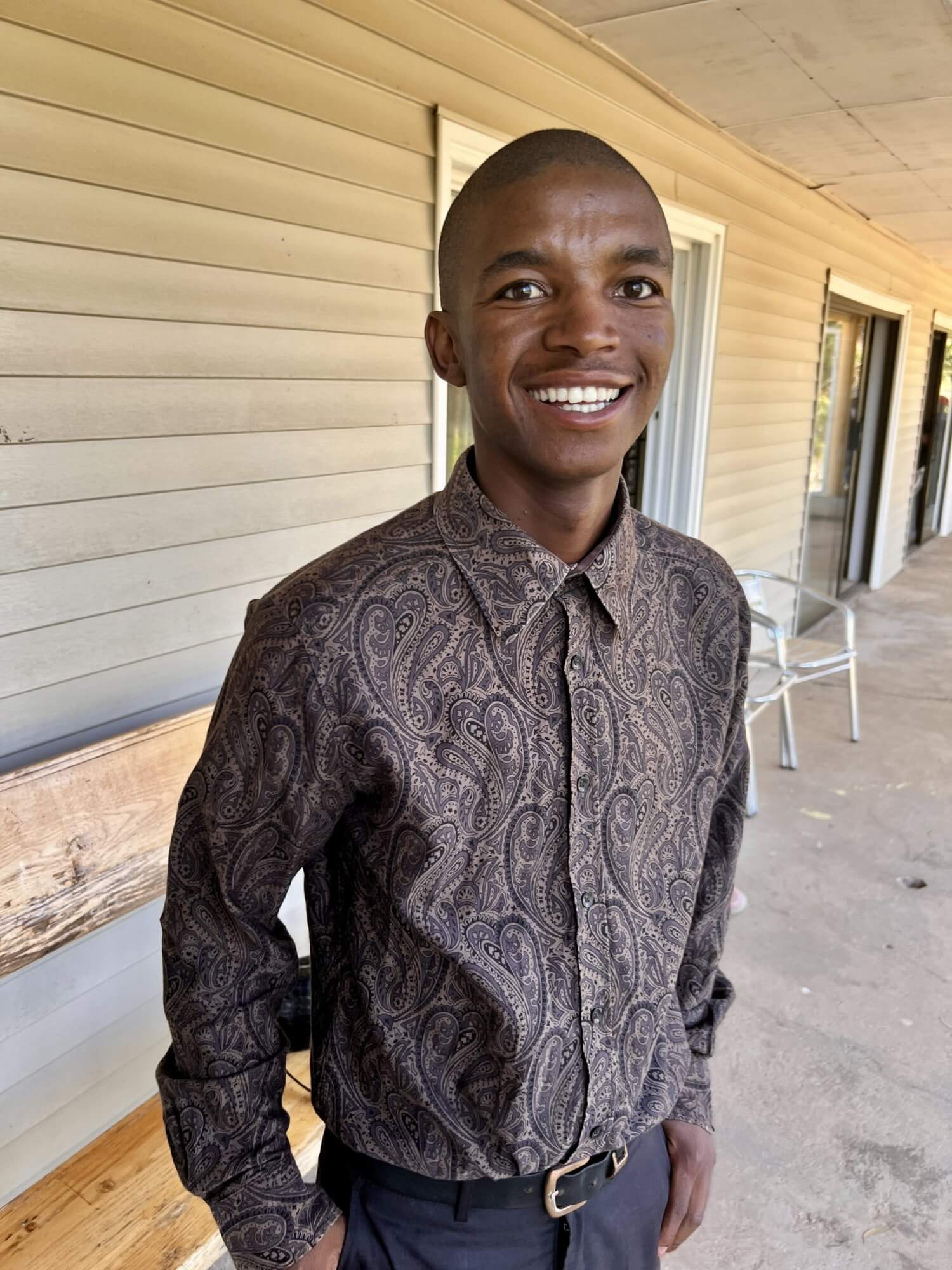
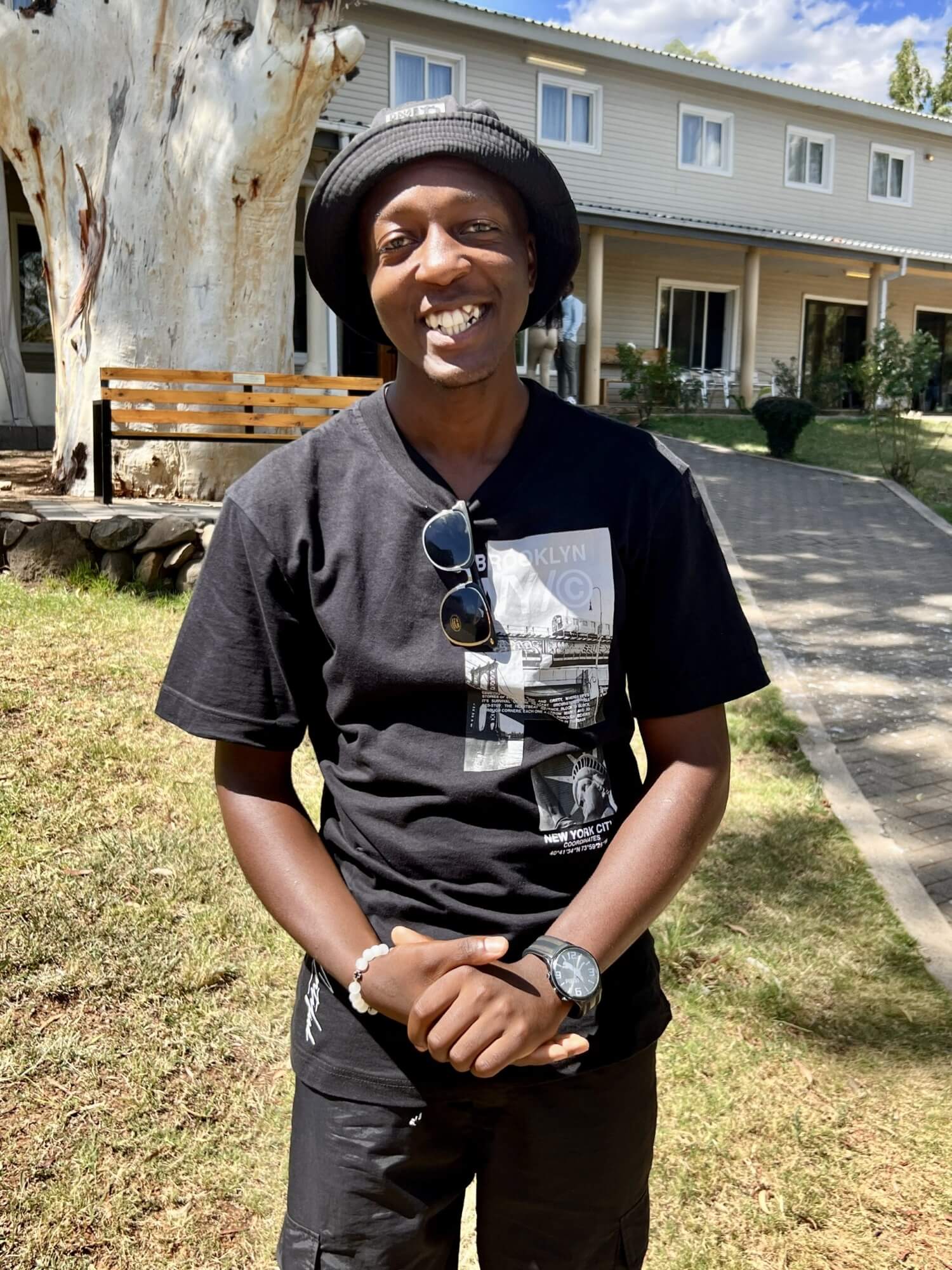
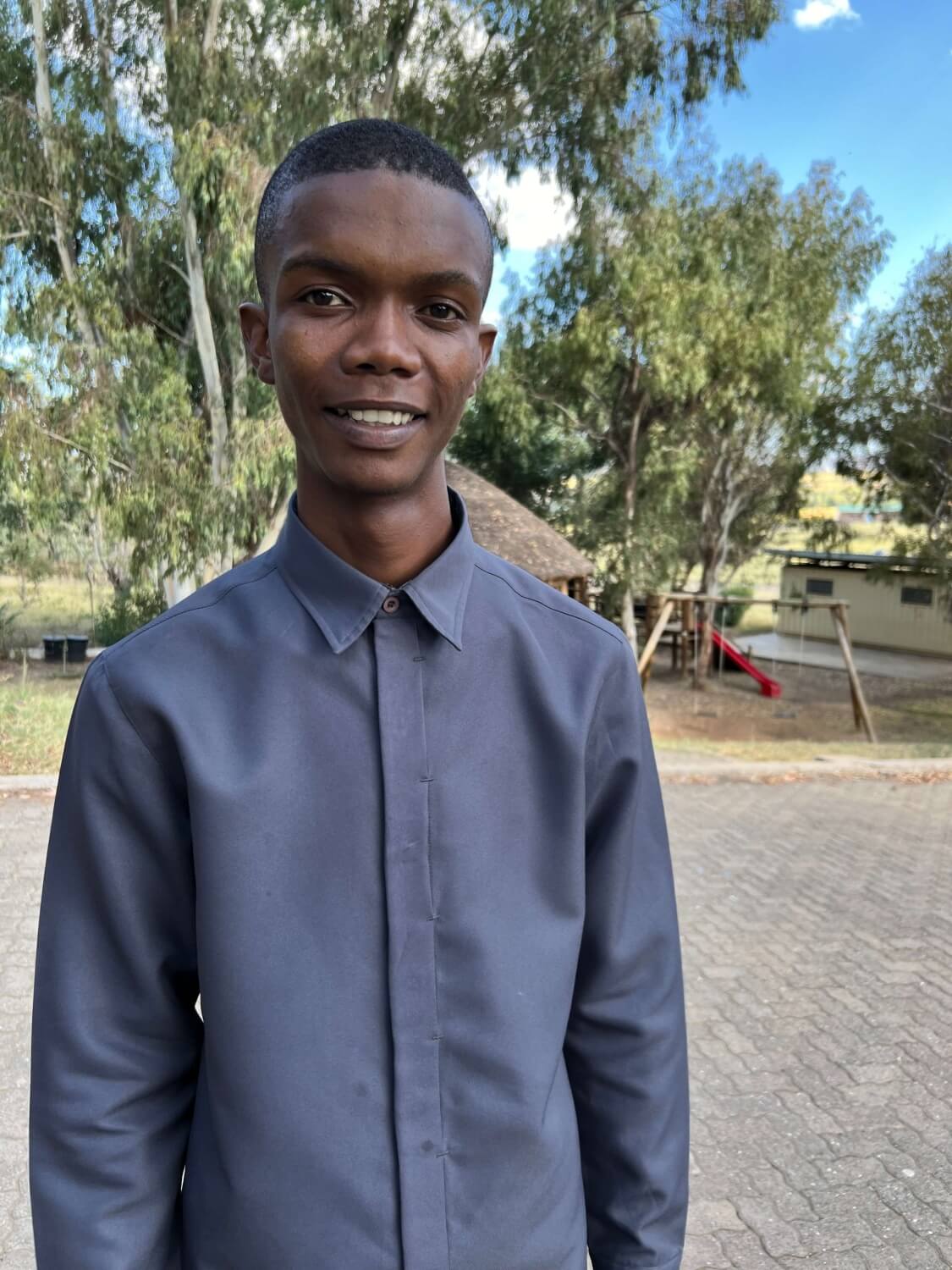
Many development organizations focus their efforts on empowering girls and women. While Help Lesotho ultimately seeks to support gender equity and improved well-being for girls and women, we recognize the importance of including boys and men in programming in order to foster the types of families and communities where everyone is supported and empowered to thrive. We are highlighting the stories of four young men who are all long-term beneficiaries of the GLC, and who are quiet leaders for positive social change within their communities.

Earlier this year, 21-year-old Ntsane participated in the Computer and Life Skills Program. During the graduation ceremony, he shared a deeply personal story about how the program transformed his life. Ntsane had been grappling with a difficult relationship with his father, which led to depression and drug use. Through sessions with Help Lesotho’s psychosocial support team, he began to open up about his feelings and start his journey towards healing.

Ntsane continues to visit the GLC on a weekly basis to play chess. He can’t get enough! He is working with our Psychosocial Support team to get support in his efforts to confront his father and improve the living situation for his family. Ntsane plans to pursue a career in IT.

“It’s good leading change. Talking about difficult things helps me not hurt from these things anymore.”

Ntsane

Tumelo received sponsorship from Help Lesotho to complete high school in 2023. Throughout his five years of high school, the highlight was always attending Leadership Camp at the GLC each December.

While Tumelo waits to find out whether he has been accepted to the Paray School of Nursing, he enrolled in Help Lesotho’s Computer and Life Skills Program . He loved the program and feels that he learned a lot.

He was inspired by the people he saw working at Help Lesotho to give back to his own community. He loves softball and has started training children in his community to play, while also instilling in them some of the values he learned from Help Lesotho. “It’s not about me, it’s about helping my community.”

“Help Lesotho is my home. They give love that I’ve never had.
I always come here for help and Mme Felleng [Psychosocial Support Officer] helps me.”

Tumelo

Seelane and his two younger brothers live with their single mother. She works in a factory but the income is not adequate for supporting her sons. Seelane has been coming to the GLC ever since it opened back in 2010 (when he was in grade 3). He used our library all through school so he could access the textbooks that his mother couldn’t afford. He was part of the first group of high school students to complete the Computer and Life Skills Program. In the last few years, his younger brothers participated in our Guys4Good Program (to help them prepare to resist peer pressure at high school) and one of his brothers is being sponsored to attend high school. Seelane completed our Leaders-in-Training Program in February-March of this year. Through this program he gained self-awareness, developed advocacy skills, and improved his confidence.

Seelane is not yet what many would consider to be an exciting ‘success story’. He only completed two years of a Bachelor Degree and he is still looking for a job. However, he is adamant that without Help Lesotho, his life would be very different. He sees how beneficial the communication skills he has gained have been within his family and his relationship with his mother.

Bereng is in his final year of high school. When he graduates in December, he hopes to enroll in tertiary schooling to pursue a career as a doctor or a lawyer. At 16-years-old, he has been coming to the GLC for half his life. As a child, he came to play games. As a high school student, he frequently comes to use the library on weekends (along with plenty of breaks for basketball games!)

He describes himself as an introvert and an ‘old soul.’ Though he doesn’t have many close friends, he trusts and confides in the people at the GLC. Recently, he revealed that two years ago, he attempted to end his life by ingesting rat poison due to severe bullying at school. Fortunately, his father found him in time and got him the help he needed.

Bereng loves listening to motivational speakers. He is particularly inspired by Michael Jordan and Barack Obama.

“I thought, if they can do it, why can’t I? Then I started appreciating myself for who I am. I want to be a good person. I want to bring change to the world. I envision a big life for myself.”

Bereng
The Transformative Power of Education

The Transformative Power of Education

Manthailane’s Story

23-year-old Manthailane is proof of the long-term impact of investing in education.
One of four children raised by a single mother, Manthailane is the only sibling to have graduated from high school. She was sponsored by Help Lesotho for both her school fees and annual attendance at Help Lesotho’s Leadership Camp.

Born into a family that faced significant hardships, Manthailane’s father passed away when she was only nine. Her mother, strict but supportive, worked hard to instill discipline and values in her children. “I grew up with a stern mother; I had her voice in my head so I didn’t go out or get caught up in things that others were doing,” she says.

For Manthailane, the opportunity to attend high school was life-changing, and she is forever grateful to her sponsors. “I have them in my heart. They gave me an opportunity no one else would,” she says.

High school not only provided her with an education but also with life-shaping experiences.

“If I didn’t get the chance to go to high school, I would be married right now. I have been making informed decisions all thanks to someone who gave me a chance.”

As a sponsored student, she had the opportunity to attend Help Lesotho’s leadership camp every year of high school, which became a safe haven for her. “I was never really social, but at Camp, you meet so many people. It’s where I made friends. I used to look forward to the Camp so much. I would never miss it.”

Her connection to the Pitseng Centre, played an important role in her inspiring journey. “Pitseng Centre is so important. It is home.” she says.

Education became Manthailane’s pathway to success. After graduating high school, she secured a government sponsorship and enrolled at the National University of Lesotho, where she pursued a Bachelor of Science degree, double majoring in Biology and Chemistry. “I had to be so disciplined. It was very hard to balance everything,” she says.

Manthailane faced immense challenges during her four years at university, living alone in a hostel and managing on a tight budget. Overwhelmed by the pressures of school, she turned to Help Lesotho’s Pitseng Centre for support, a place she knows she can always rely on.

“I couldn’t afford to lose myself so I reached out. I’m proud of myself. As usual, Help Lesotho made me appreciate my challenges and what it means to overcome them. I got the advice I needed to keep going.”

In 2024, Manthailane earned her bachelor’s degree and is now exploring going to medical school to pursue a career in dermatology focusing on burn victims. “Faces are the first thing you see. I want to help people who are burned and scarred so people can focus on what’s on the inside.”

Despite her accomplishments, self-doubt lingers. “I have anxiety about failing. Am I going to make it? Am I doing the right thing?” To manage these feelings, she starts her mornings with running, meditation, and tending to her garden. “When I do these things, I feel amazing.” Her garden, abundant with spinach, reflects her resourcefulness. She grows it not only for nutrition but also to maintain her iron levels, a lesson learned after she was unable to donate blood when her sister needed a C-section.

Manthailane’s story is a powerful reminder of the transformative impact education can have. Her journey is proof that when provided the necessary support, anyone can rise to achieve their dreams.

“I owe it to myself and Help Lesotho to make a difference in the world. I need to make the most of this opportunity.”

Why we work with boys and men in Lesotho

Why we work with boys and men in Lesotho

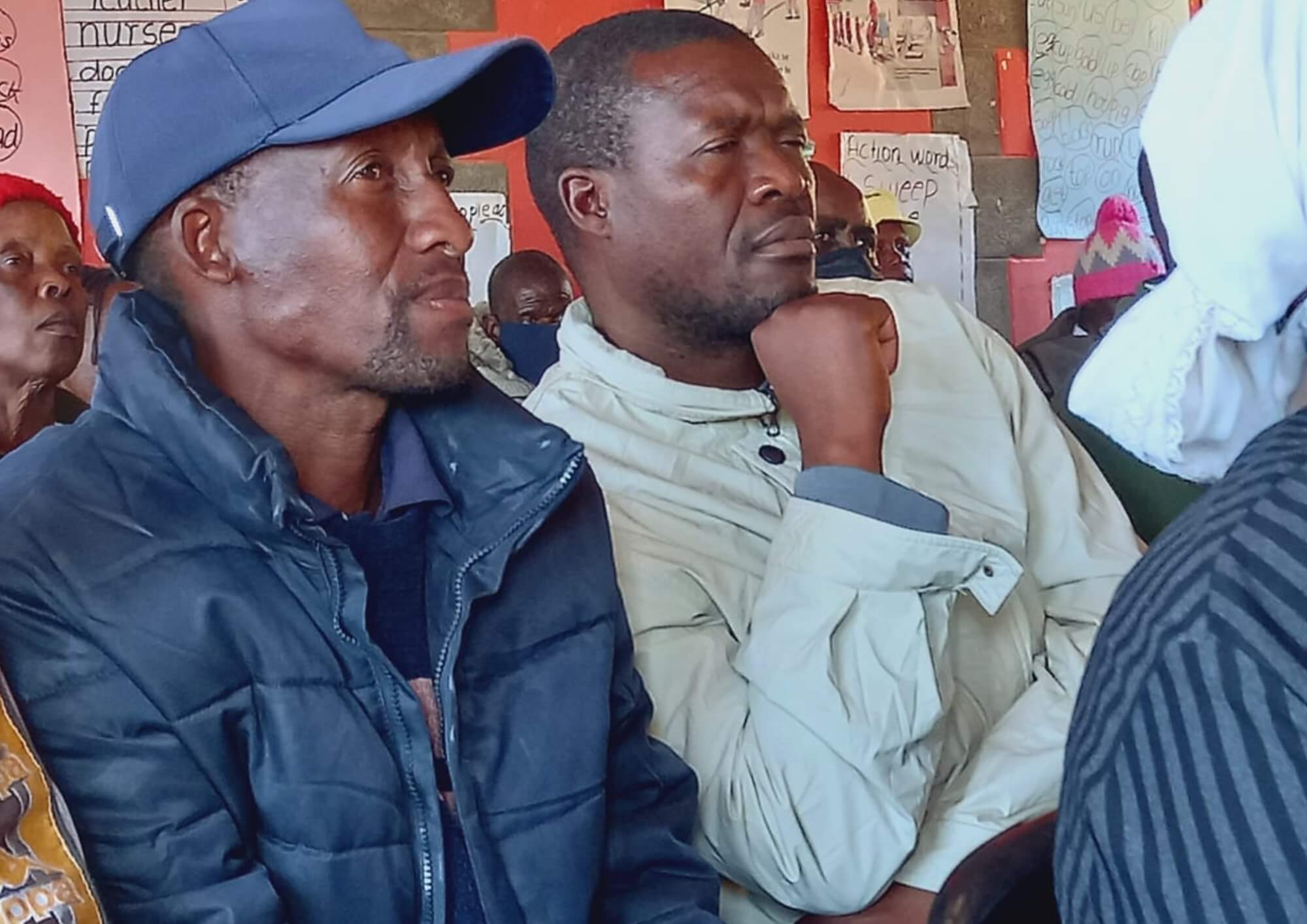
Fostering gender equality means engaging everyone in the fight for change - including boys and men. We work to empower them with knowledge to uphold the rights of women and girls by challenging cultural norms about gender roles and actively addressing the pervasive culture of gender-based violence (GBV).

Challenge cultural norms

Deeply-rooted gender norms often perpetuate a culture of inequality.

Gender-based violence is a major issue in the country with 86% of women and girls reporting experiencing it at some point in their lives. However, it is more than likely this percentage is much higher as many women and girls do not report the abuse for fear of the repercussions for speaking out or being shunned by their communities. For many women who have not had the opportunity to access education on women’s rights, abuse is often considered a sign of love, sadly.

In Lesotho, men are often regarded as the head of the household, bearing the heavy burden of providing for their families amidst an extremely high unemployment rate. The stress of not being able to feed or clothe their family leads many to express their frustrations and worries through harmful actions, to either themselves or their loved ones.

For this reason, focussing on strategies for healthy communication is essential. In doing so, we offer boys and men a safe space to express themselves with words rather than harmful actions.

Learn to be champions of women’s rights and stop GBV

Through intensive, targeted programming, we empower boys and men to become allies in the fight for gender equality, promoting respect and support for women’s rights in their homes and communities.

Programming addresses the common signs of GBV. For many, because of cultural norms and a lack of education, harmful actions can be seen as commonly acceptable, particularly within the confines of a home. We aim to help boys and men understand how some of their behaviours can be harmful, and how they can be champions of women’s rights and uphold the laws for protecting women and girls.

However, understanding that certain behaviours are harmful or unhealthy isn’t always enough to inspire change. Helping boys and men to see the benefits to themselves when families and communities experience gender-equity can be truly transformative. Our approach enables participants to understand that when families and communities experience gender-equity, everyone thrives.

Foster healthier relationships

Educating boys and men about gender equality creates a foundation for healthier, more respectful relationships that benefit families and communities. 

Through specifically tailored programming and community outreach, we equip boys and men with the knowledge and tools to promote respect, nurture inclusivity and build healthier relationships. Help Lesotho’s programming targets the root causes of GBV and includes modules on how to manage anger. 

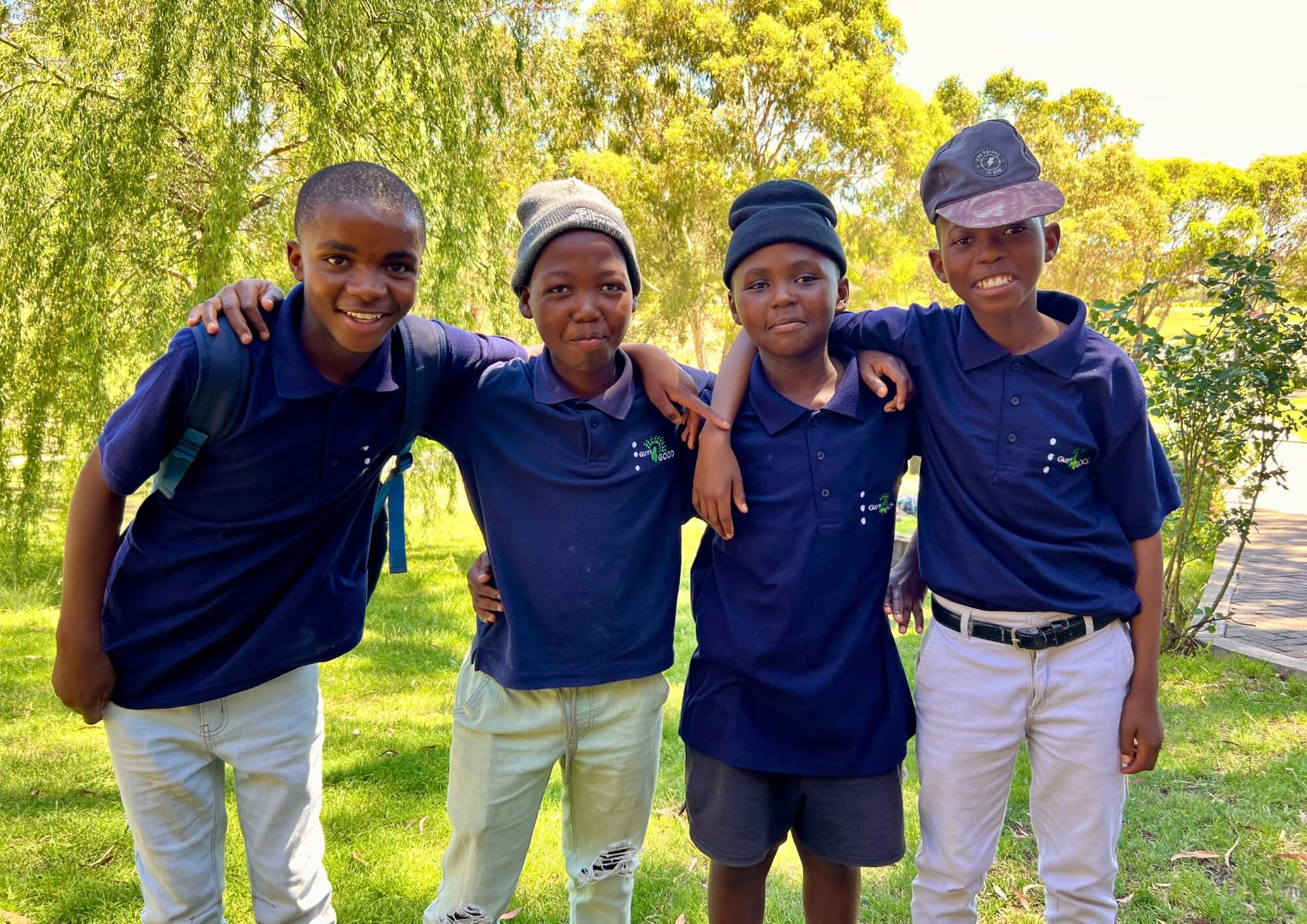
For the boys and young men in our programs (Guys4Good being the youngest program), having the foundation to build healthier relationships with their families and peers is of vital importance to the way they will carry themselves in the future and how they will act with their own families.

Become role models

Through our training we aim to equip boys and men with the tools to lead with empathy and equality, thereby inspiring the next generation to value and uphold these principles. When you are a role-model for positive change, you inspire others through your daily actions. We help our program participants understand that they can be leaders in their everyday life and should practice positive leadership in any setting, noting that leaders come in many shapes and forms. They can be community leaders and politicians at the highest level, but leadership is also found in everyday life - within a family, school and community.

By empowering boys and men to become champions of women’s rights, we’re fostering a society where every individual has the opportunity to succeed. With each person who embraces respect and equality, we are shaping a Lesotho where gender equality is not just a goal but a way of life.