Safe Ride Home: The Tsela Ts’oeu Project Transforms Public Transport in Lesotho

Safe Ride Home: The Tsela Ts’oeu Project Transforms Public Transport in Lesotho

A milestone for Help Lesotho's Gender Equity and Violence Prevention Programming

For far too many women and girls in Lesotho, a simple taxi ride to school, work, or the health clinic carries a hidden risk. Research has long shown that public transportation is one of the most common settings for gender-based violence (GBV) - a place where harassment, exploitation, and abuse go unchecked, quietly limiting women's freedom and participation in public life.

In 2025, Help Lesotho and our partner GIZ (The Deutsche Gesellschaft für Internationale Zusammenarbeit) - through the regional initiative Partnership in Prevention for Gender-Based Violence in Southern Africa - took direct action to change that reality. The result was the Tsela Ts'oeu Project, which name means "safe ride home" in Sesotho.

The project abstract was presented by GIZ at the International Social and Behavior Change Communication (SBCC) Summit in June 2026 in Panama City, Panama.

Why Public Transport? Why Now?

The evidence for action was clear. A 2018 World Bank report found that taxis and minibuses account for 40% of daily trips in Lesotho - making public transport a critical artery of everyday life, especially for women and girls accessing education, healthcare, and economic opportunities. Yet this same space has been a site of chronic abuse.

Studies documented taxi drivers demanding sexual favours from schoolgirls in exchange for free rides. A 2015 report from the Ministry of Education and Training flagged elevated rates of early and unintended pregnancies in Leribe district, closely linked to sexual violence in and around transport hubs. And Gender Links' 2014 GBV Indicators Study found that over 86% of Basotho women and girls have experienced GBV at some point in their lives.

The Tsela Ts'oeu Project focused its pilot on Leribe district - specifically the towns of Maputsoe, Hlotse, and Pitseng - precisely because this evidence pointed here.

The Approach: Drivers as Champions, Not Bystanders

The project's Theory of Change was grounded in a powerful insight: the people most able to prevent GBV in public transport are the people already there - the drivers, marshals, and taxi association members who shape the culture of the rank every single day.

Rather than treating taxi operators as the problem, Tsela Ts'oeu invited them to be part of the solution. Through structured training and peer-education sessions, a cadre of GBV Champions was developed from within the industry itself. These Champions led peer-to-peer conversations at taxi ranks, reaching fellow drivers, helpers, and marshals with practical knowledge about recognising, preventing, and responding to GBV.

The project also engaged at the institutional level, partnering with the Ministry of Gender, Youth and Social Development; the Ministry of Public Works and Transport; the Ministry of Police and Public Safety; and local taxi owners' associations. This multi-stakeholder approach ensured that GBV prevention was endorsed as policy, not just as a one-off training event.

Additional activities included a public launch event, a call-in radio show, mass SMS awareness campaigns, and GIRL4ce edutainment performances - meeting community members where they are, in the languages and formats they engage with most.

The Results: Exceeding Every Target

The numbers tell a compelling story.

Indicator

Target

Achived

Direct beneficiaries reached through peer education

800

Indirect beneficiaries reached through GBV prevention campaigns

15,000

But perhaps the most striking result came from the pre- and post-program surveys of the 12 taxi associations involved. At the start of the project, only 19% reported meaningful awareness of GBV advocacy. By the end, that figure had reached 100%.

More than statistics, the Champions' own words capture what changed on the ground:

"Taught passengers about different forms of abuse; individuals realised they had been abusing each other and reconciled."

"Took the victim to the police station and reported the perpetrator."

"Intervened with colleagues; acted immediately to stop the GBV incident."

These are not passive observers. These are people who have internalised a new responsibility - and are acting on it.

What We Learned: Best Practices for Lasting Change

The Tsela Ts'oeu Project generated important lessons that will inform Help Lesotho's future programming.

Frontline actors make the best champions. When drivers, marshals, and association members are the messengers, the message lands differently. Their peer-led sessions at taxi ranks created an unexpected ripple effect - reaching street vendors, commuters, and passers-by who were never formally enrolled in the project. GBV awareness spread organically into the wider community.

Structured oversight sustains momentum. A dedicated steering committee brought key stakeholders together under a shared framework, creating accountability and a feedback loop for continuous improvement. This kind of governance infrastructure is what turns a pilot into something lasting.

Connected to Our Mission: Gender Equity and Violence Prevention

This project sits at the heart of Help Lesotho's Gender Equity and Violence Prevention Impact Pillar. We believe that gender equity is not achieved through awareness alone - it requires changing the structures, norms, and daily interactions that either enable violence or prevent it.

The Tsela Ts'oeu Project did exactly that. It changed what happens in a taxi rank in Leribe. It changed what a driver does when a passenger is being harassed. It changed whether a girl arriving for school is safe on the journey there.

These are the kinds of changes that accumulate into a more just and equitable society - and they begin with the courage to act in the spaces most of us overlook.

A Partnership That Made It Possible

We extend our deep gratitude to GIZ and the Partnership in Prevention for Gender-Based Violence in Southern Africa for their funding and commitment to this work. Sustainable change at this scale requires partners who share the vision and the resolve. We are proud to stand alongside GIZ in pursuit of a Lesotho where gender-based violence does not dominate everyday life.

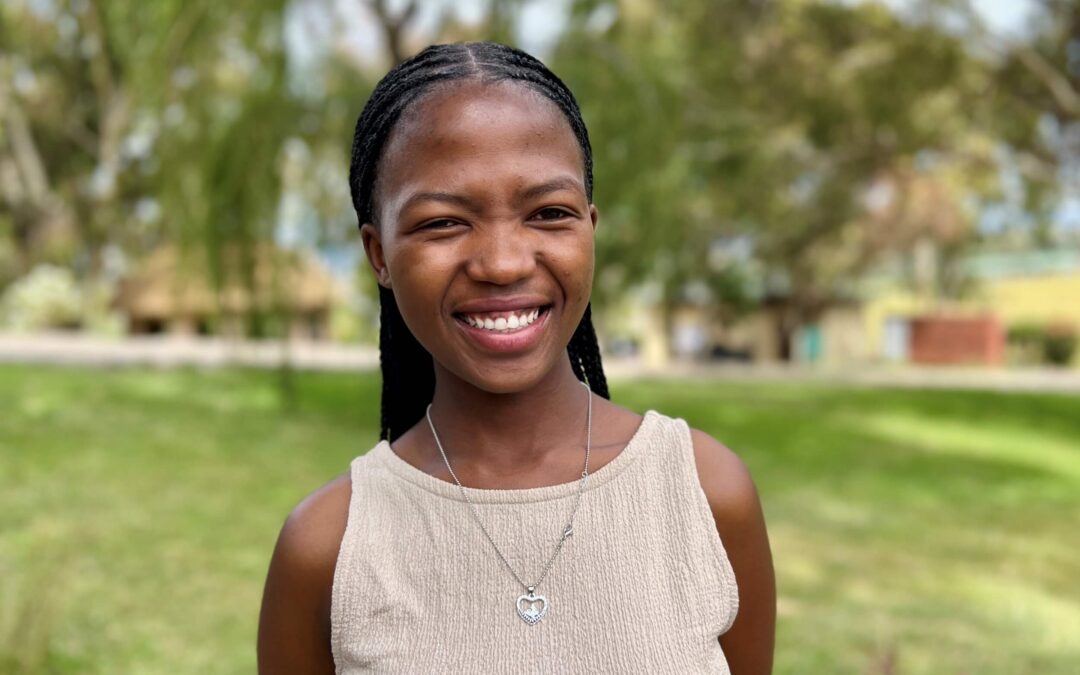
From Heartbreak to Hope: Relebohile

From Heartbreak to Hope: Relebohile

When you meet Relebohile, the first thing you notice is her presence - a warm, steady energy, a powerful voice, and a smile that fills the room.

At 26 years old, she is a mother of two young children, a university graduate with a Bachelor of Social Planning and Sociology, and now, a proud graduate of Help Lesotho’s 6-week leadership training.

But her journey to this moment has not been easy.

Carrying Responsibility - and Still Showing Up

Relebohile is raising her children, aged six and two and a half, on her own after the loss of her husband.

She carries the weight of that responsibility every day.

And yet, when she speaks about her life, there is strength in her voice.

Even in small moments - like walking home with two balloons to surprise her children - you see what drives her: a deep commitment to showing up, to giving, to caring.

Expecting a Workshop - Finding Transformation

When Relebohile joined the Help Lesotho program, she had a simple expectation.

“I was interested in being a good leader. I thought it was a simple workshop… but it was the other way around.”

What she found instead was something much deeper.

The sessions challenged her, motivated her, and created space for reflection and growth - not just as a leader, but as a person.

“The sessions were so motivating.”

One session, in particular, stayed with her: parenting. “Parenting is so challenging.”

As a mother, the opportunity to reflect, learn, and grow in this area was especially meaningful.

A Leader Others Lean On

Within the group, Relebohile quickly became known as “Mom.” Not because of her age - but because of her presence.

  • Her peers describe her as:
  • Direct and honest
  • Deeply empathetic
  • Strong, even when she is tired
  • Intelligent and thoughtful

Others are drawn to her warmth and authenticity. She feels things deeply, and she shows up fully - whether in conversation, in reflection, or even in song.

Because Relebohile doesn’t just sing - she sings with her whole body, with her whole self.

Knowing Her Own Strength

Perhaps the most powerful shift for Relebohile is what she now believes about herself.

“I know I have potential. I know I can do anything I put my mind to.”

This confidence is not abstract. It is grounded in lived experience - in overcoming loss, raising children, pursuing education, and continuing to grow.

It is the kind of confidence that leads to action.

The Impact of Investing in Women

Relebohile’s story is a reminder that leadership does not start in a boardroom or a title.

It starts in everyday resilience:

  • In showing up for your children 
  • In continuing forward after loss 
  • In choosing to grow, even when life is demanding 

Through Help Lesotho, women like Relebohile are not only strengthening their own capacity - they are becoming anchors in their families and communities.

Leaders others can rely on.

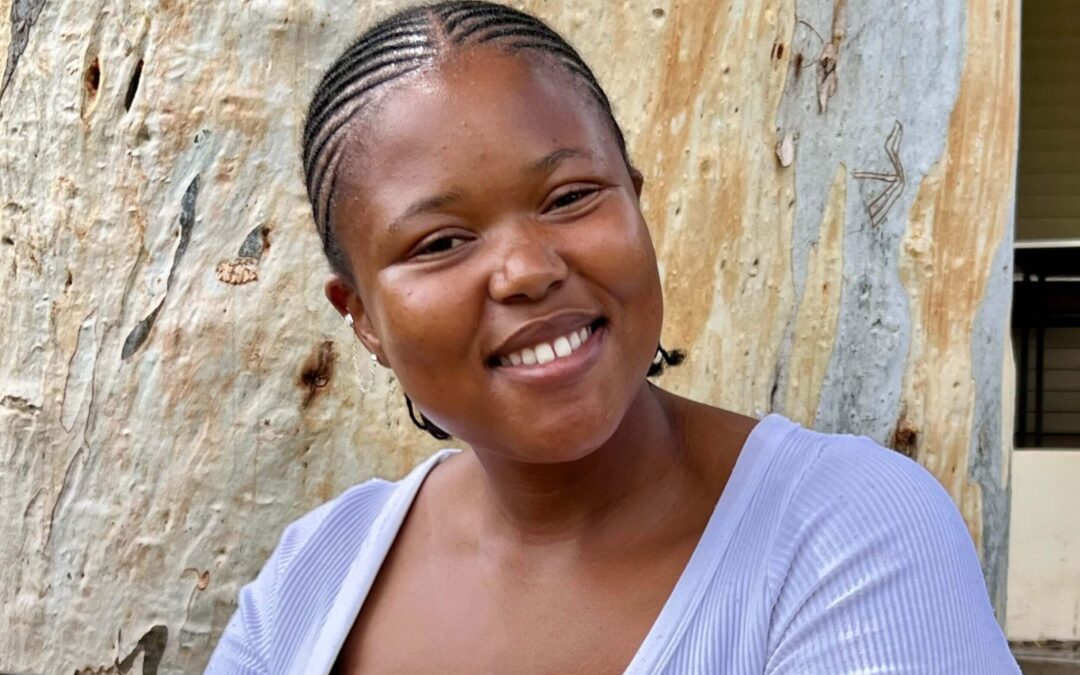
Finding the Courage to Be Seen: Nokoana

Finding the Courage to Be Seen: Nokoana

“Now I’m here - finally happy”

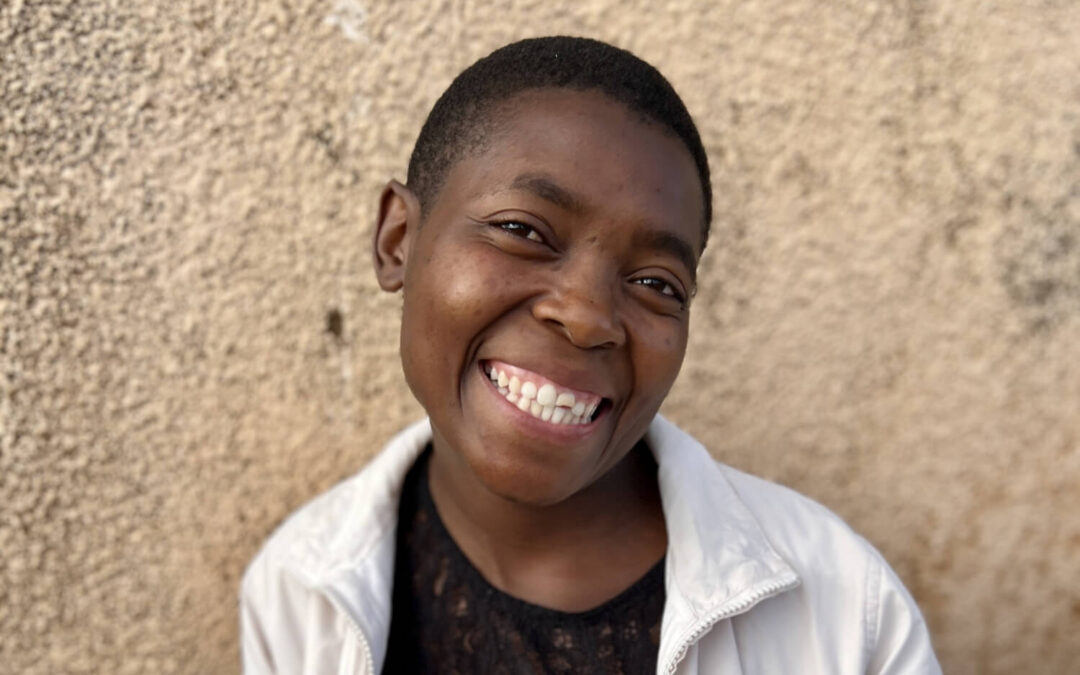
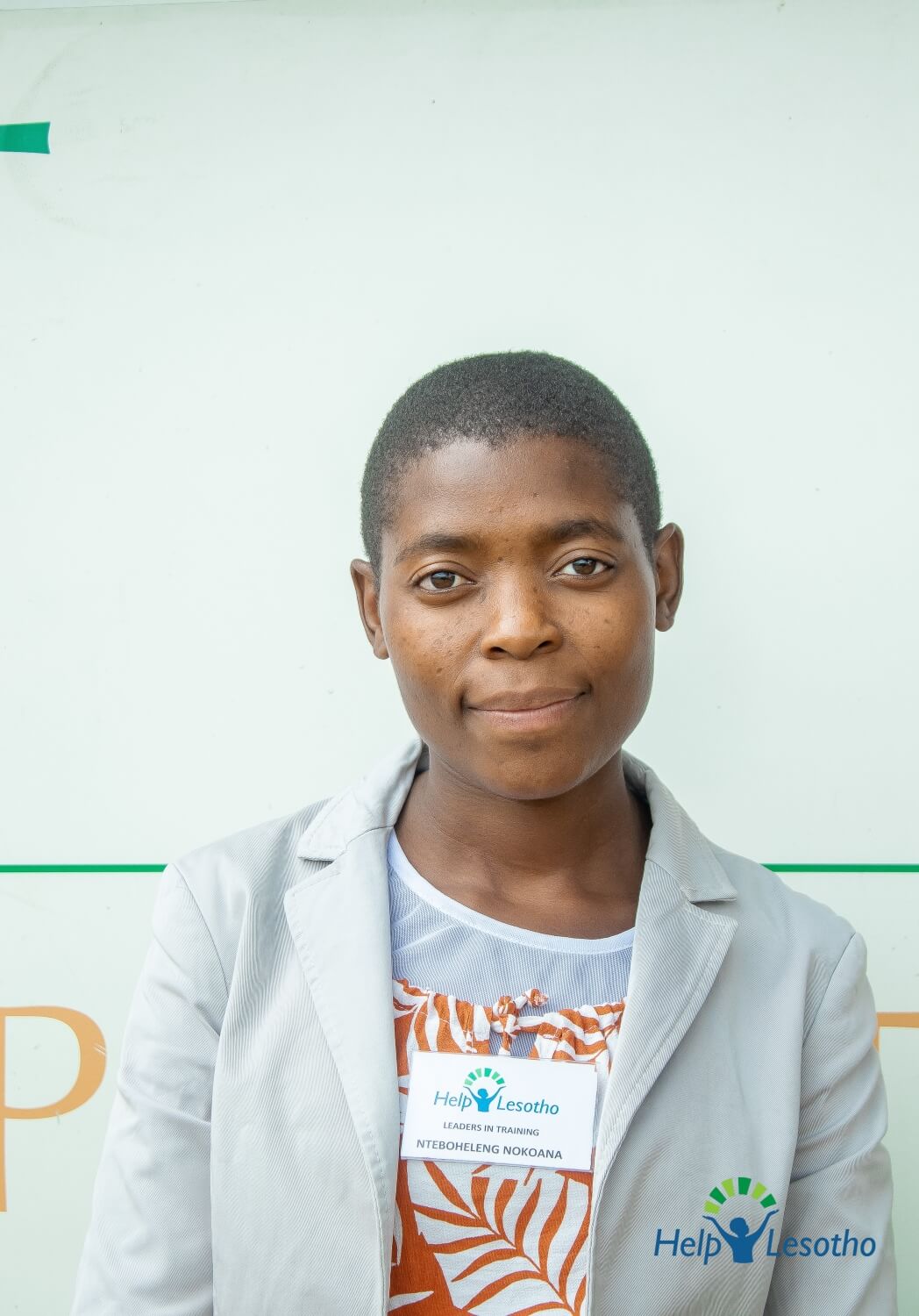
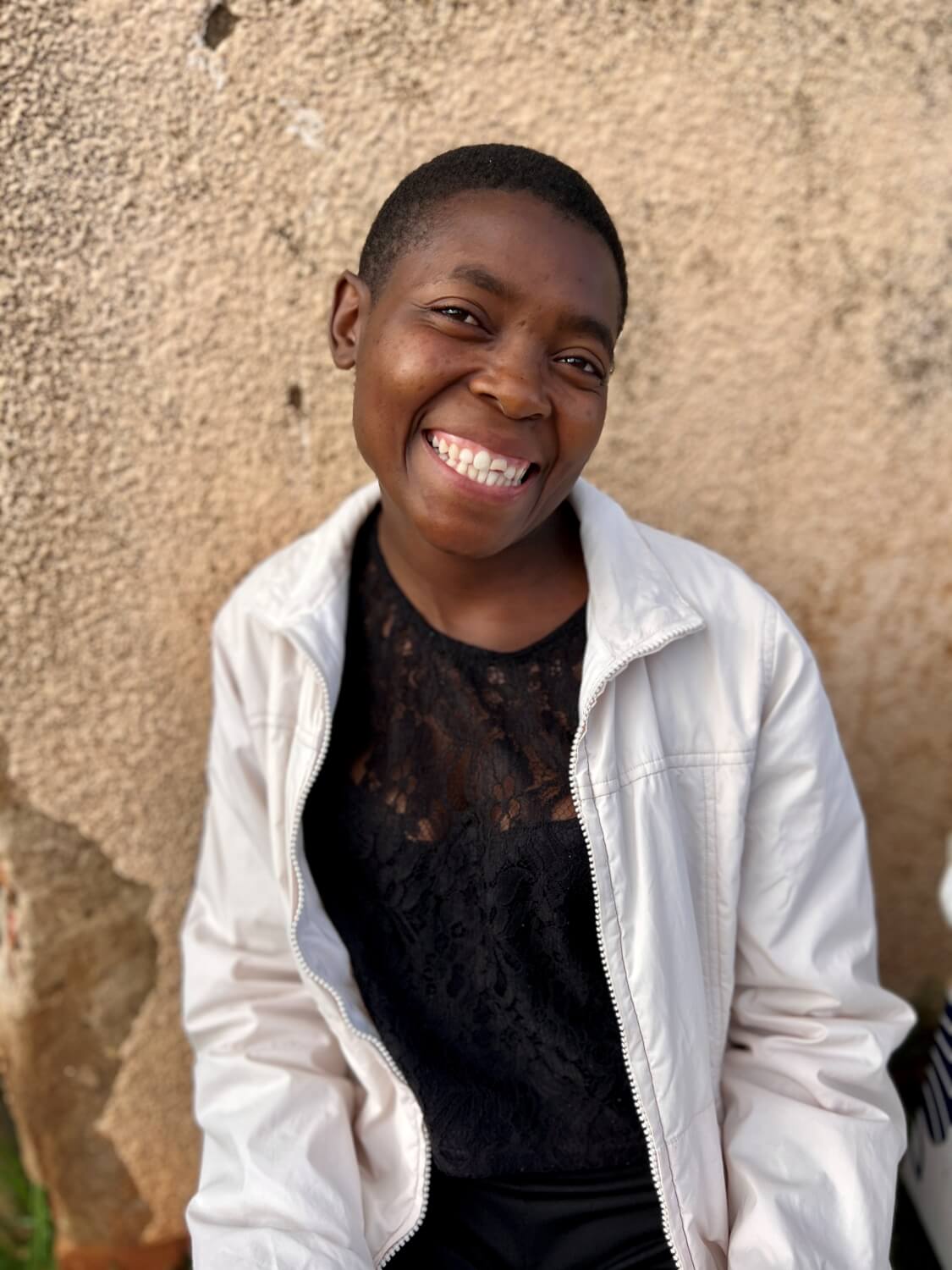
Nokoana is 24 years old, with a radiant smile that quietly tells a story of resilience.

Her journey has not been easy.

After a childhood accident that left her with severe burns, she contracted HIV - something no one else in her family lives with. For years, she carried that reality alone, managing her health on antiretroviral treatment since 2009, while also carrying confusion, stigma, and isolation.

She lost her mother in 2017. Her father passed away in November 2025.

Today, she is the one holding her family together - caring for her younger siblings and navigating responsibilities far beyond her years.

Finding the Courage to Be Seen

While attending a six-week leadership program with Help Lesotho, Nokoana did something she had never done before.

“This was my first time to share my story… and my status.”

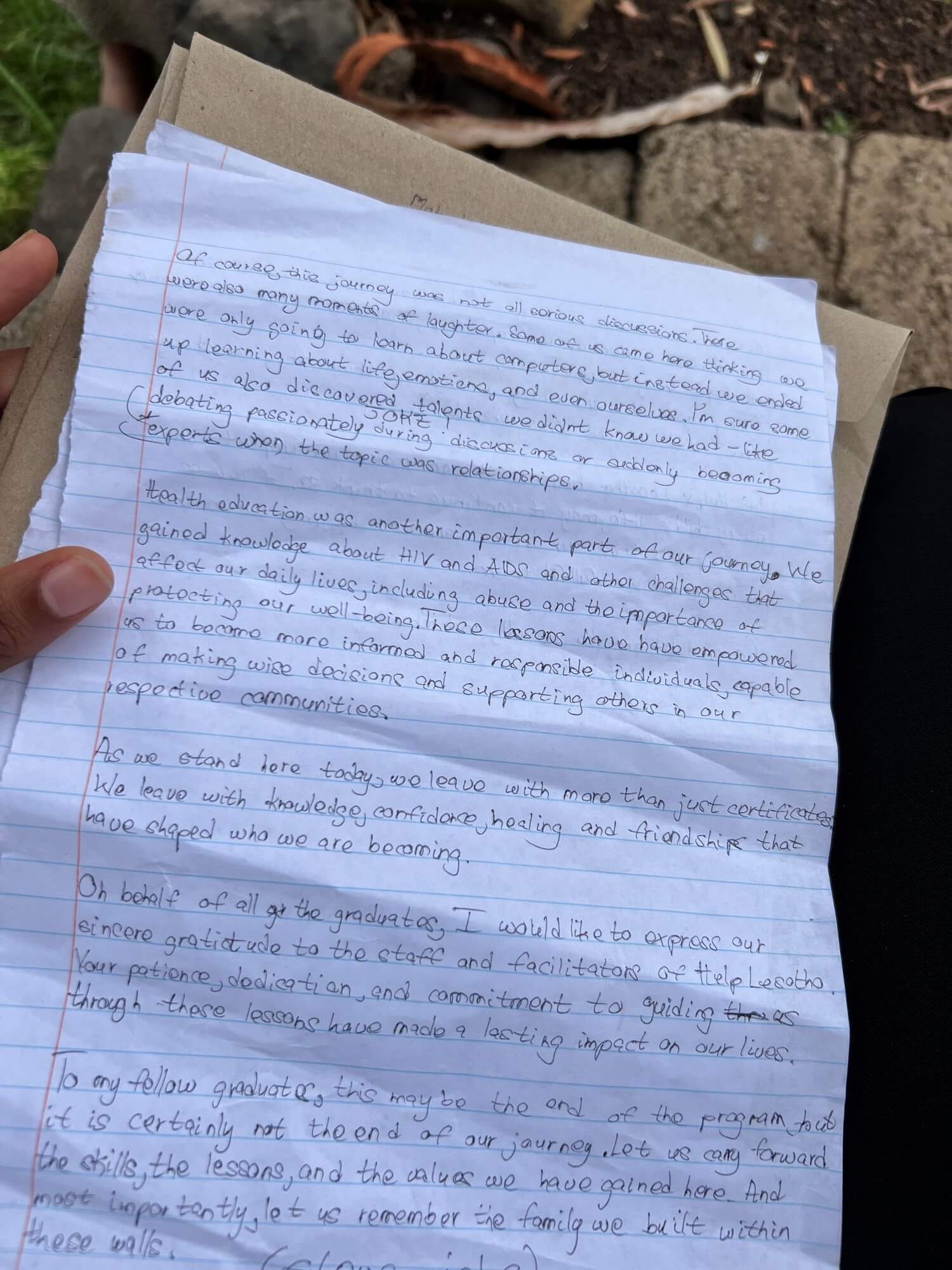
At graduation, she stood in front of a group and spoke - her first time ever speaking publicly.

She also made another quiet, powerful choice.

She wore a sleeveless top, revealing the scars on her arms for the first time.

It was an act of courage. Of acceptance. Of stepping into the light after years of hiding.

Carrying So Much - and Still Standing

Nokoana has completed high school, but continuing her education may not be possible right now. Her priority is her family - caring for her 18- and 15-year-old siblings, and supporting a sister who became a mother at a young age.

Her life has been shaped by loss, responsibility, and challenge.

And yet, when she reflects on her journey, her words are simple:

“Now I’m here - finally happy.”

Her favourite song, Lean on Me, is her anthem - a reminder that support exists, and that even the strongest people need others.

A Story of Courage

Nokoana’s story is not defined by hardship, but by courage.

She has taken powerful steps forward - not away from her story, but fully into it.

And in doing so, she reminds us what strength really looks like.

A Grandmother’s Journey: Malehlotha

A Grandmother’s Journey: Malehlotha

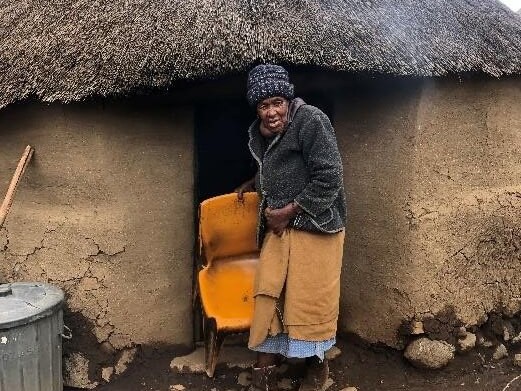
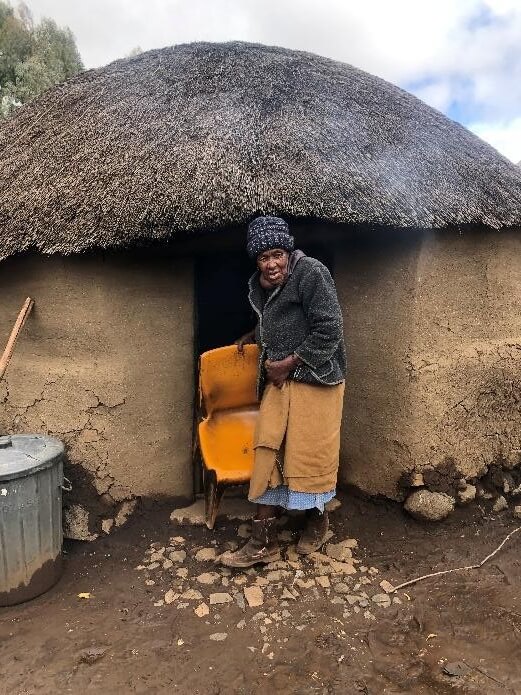
At 86 years old, Nkhono Malehlotha carries the wisdom of nearly nine decades in her eyes, spending her days caring for her five grandchildren. She joined Help Lesotho’s two-year Grandmother Program with curiosity, but soon found a sense of clarity that transcended the forgetfulness she often associates with her age. Some lessons she discovered are written on the heart rather than the mind.

Through the organization's psychosocial support, Malehlotha learned that hatred is a heavy burden; instead, she was empowered to live a life rooted in love, embracing the power of teamwork to strengthen both her family and her community.

Perhaps the most profound shift occurred within the four walls of her home through Help Lesotho’s intergenerational communication training. Malehlotha realized that parenting is not merely about dictating what should be done, but rather about working together as a family to reach amicable solutions. By moving away from a ‘command and obey’ style, she has fostered a relationship with her grandchildren that is significantly happier and healthier.

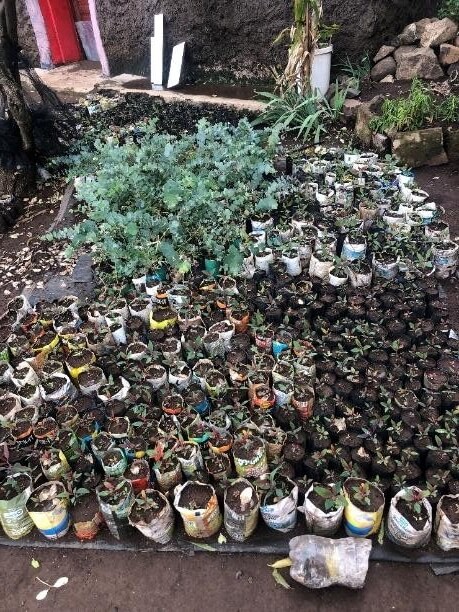
When the sessions turned to self-care and economic stability, Malehlotha found a practical path to resilience. She found healing and independence in the soil. She emphasizes that living solely through buying is an expensive struggle that keeps people trapped in poverty. By cultivating her own vegetable plot, she has created a dual stream of success: she provides nutritious food for her grandchildren to eat and sells the surplus to create a steady income.

For Malehlotha, the journey with Help Lesotho has been about more than just information; it has been about reclaiming her power to produce for herself and planting seeds of peace that will sustain her family for generations to come.

The Power of Investing in Youth: Mathata

The Power of Investing in Youth: Mathata

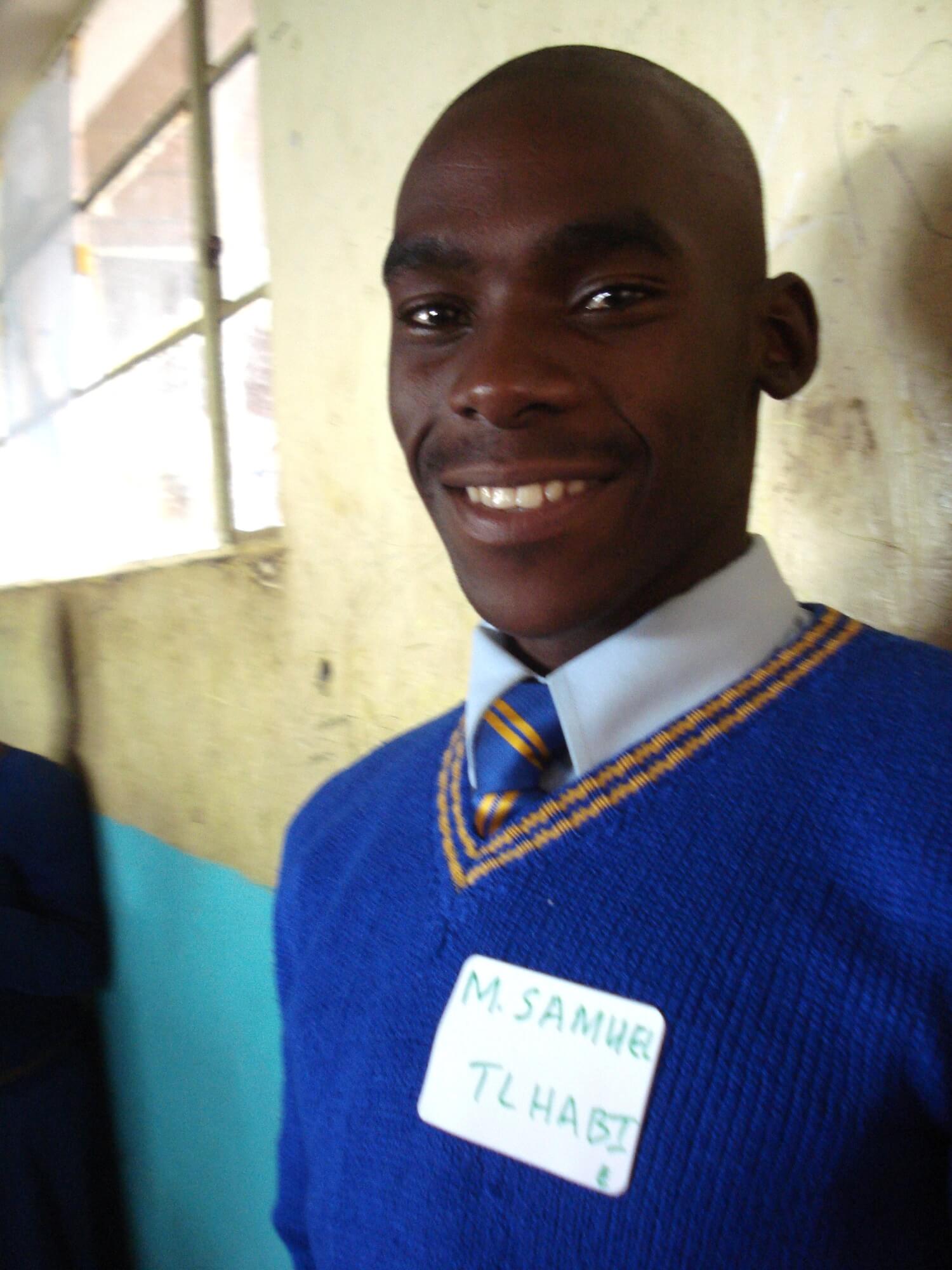
Dr. Tlhabi’s Journey from Child Sponsorship to Medical Specialist

When I look back on my life, it is difficult to imagine where I would be without Help Lesotho. The organization came into my life at a time when my future felt uncertain, and through its support, guidance, and belief in me, I discovered not only my potential, but my purpose.

I first joined Help Lesotho as a beneficiary in the child sponsorship program. Growing up, I dreamed of pursuing a career in medicine, but like many young people in Lesotho, the barriers standing in front of that dream felt overwhelming. Through Help Lesotho’s support, I was able to complete my secondary education in 2011 and achieve the grades I needed to continue my studies. That opportunity changed everything for me.

Today, I am proud to say that I became a medical student at the Lesotho School of Medicine (LSOM) that was based at the National Health Training College (NHTC) in Maseru, part of the pioneer class of the only medical School of Lesotho, but completed from the Copperbelt University School of Medicine in Zambia.

Help Lesotho gave me far more than access to education. It transformed the way I saw myself and my future. Through life skills training, mentorship, and leadership opportunities, I gained confidence, self-awareness, communication skills, and a deeper understanding of the challenges facing young people in my community. I learned that leadership is not about status - it is about service, compassion, and helping others recognize their own strength.

As I grew, I was given the opportunity to become a Youth Leader. Standing in front of other young people, sharing experiences and guiding conversations about life, gender, self-esteem, and decision-making, became one of the greatest honours of my life. I began to see how one empowered young person can influence an entire community. I saw youth begin to believe in themselves, speak with confidence, and imagine futures they had never thought possible.

My journey with Help Lesotho has been deeply transformative because I have experienced the organization from both sides - first as a young person receiving support, and later as a leader helping others rise. That dual experience showed me the true power of investing in youth. When young people are given opportunity, guidance, and belief, they do not simply change their own lives; they become role models, mentors, and changemakers for others.

Today, everywhere I go, I carry the lessons Help Lesotho taught me. The organization helped mould me into the person I am today - a leader, a mentor, and someone who believes deeply in the potential of others. I often say that Help Lesotho became a light on a path that was gradually being engulfed by darkness. It reached out a hand when I needed it most, and because of that, I now spend my life reaching back to help others move forward.

For all these reasons, I can confidently say: I believe I can. And because of Help Lesotho, thousands of young people in Lesotho are beginning to believe the same thing about themselves.

– Mathata Samuel Tlhabi (Dr. Tlhabi), currently specializing in Obstetrics and Gynaecology, and co-leading Help Lesotho’s Alumni Network

Thank you for believing in education - and in the potential - of every child.