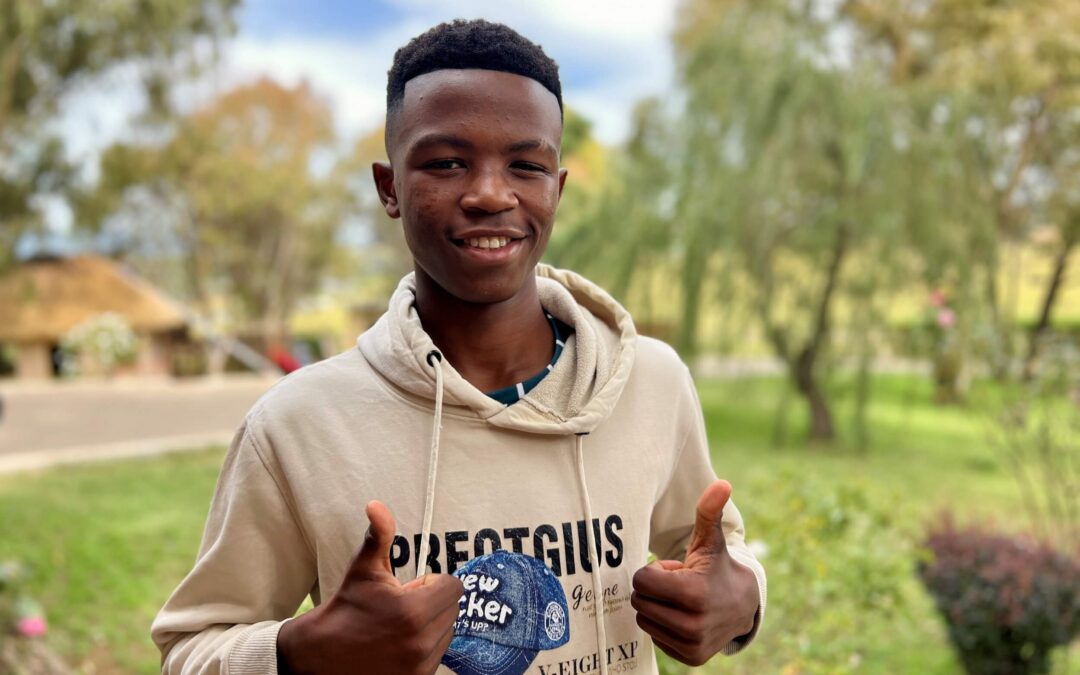
From Surviving to Leading: Lerato’s Story
At 18 years old, Lerato is already becoming the kind of leader his community looks up to.
But his story didn’t begin that way.
Growing up near the Help Lesotho Centre in Lesotho, Lerato first came for simple reasons - to spend time in the library, play games, and be part of a safe space. Over the years, that space became something more.
“It feels like home,” he says. “Even just to stop for a drink of water, it feels good to be here.”
A Turning Point
Like many young people, Lerato faced challenges navigating his teenage years. He describes a time when he didn’t think much about consequences.
“I used to be someone who didn’t care,” he shares. “I didn’t care if I did things that meant I would end up in prison.”
Fighting was common. It was what he had learned - that strength meant using violence, that being a man meant standing your ground physically. These lessons, shaped by his early experiences, influenced how he responded to conflict.
But something began to shift.
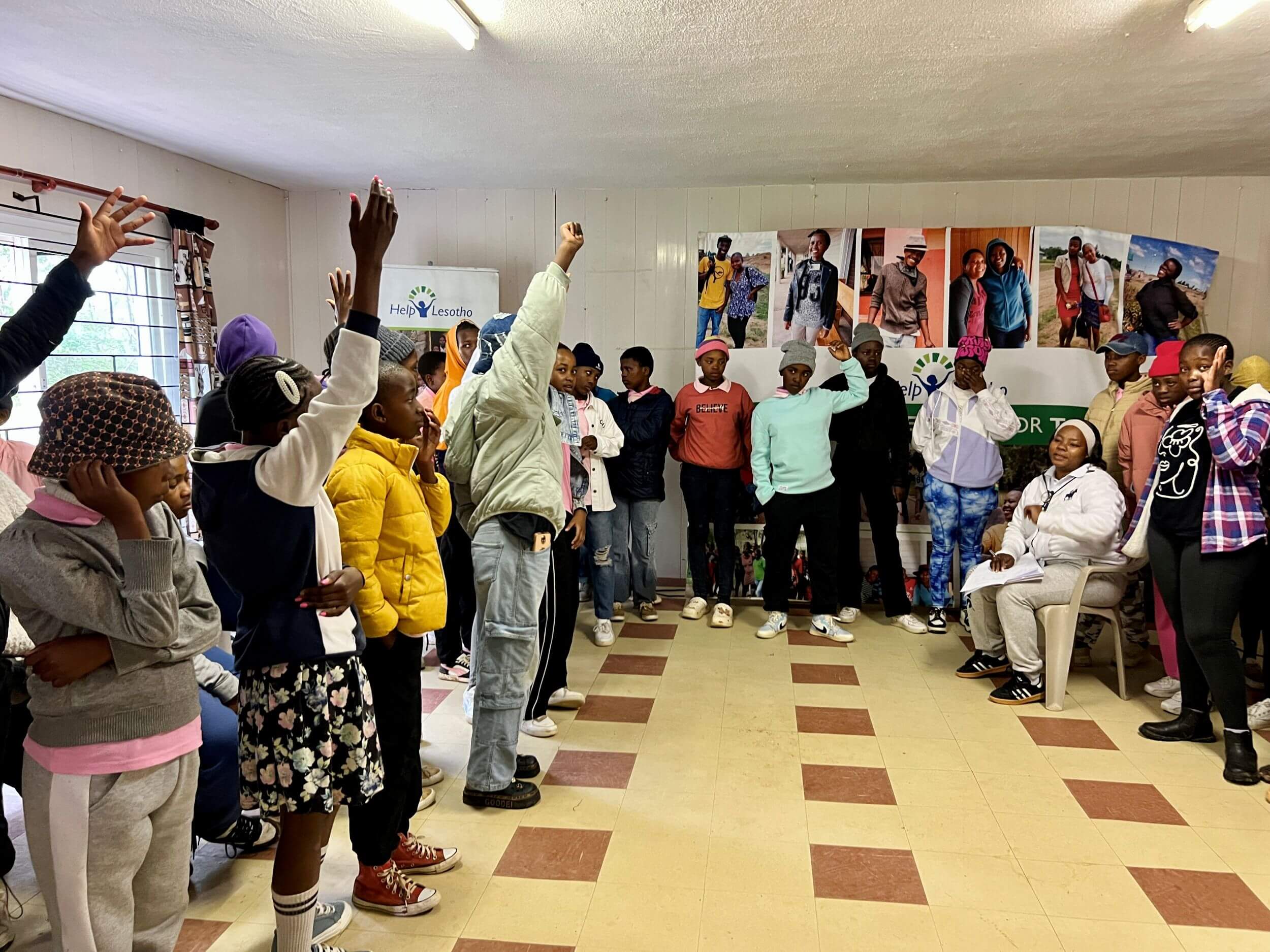
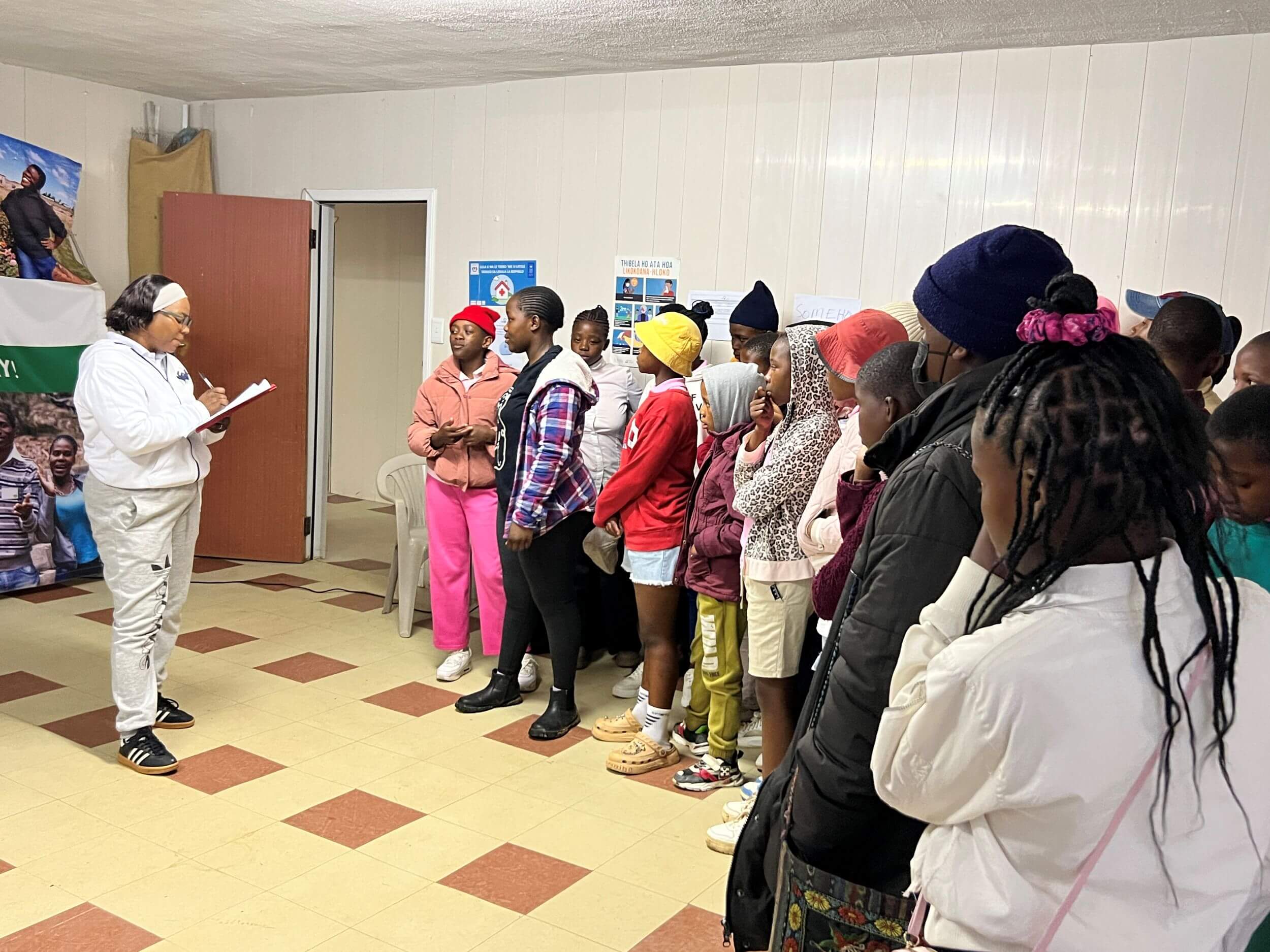
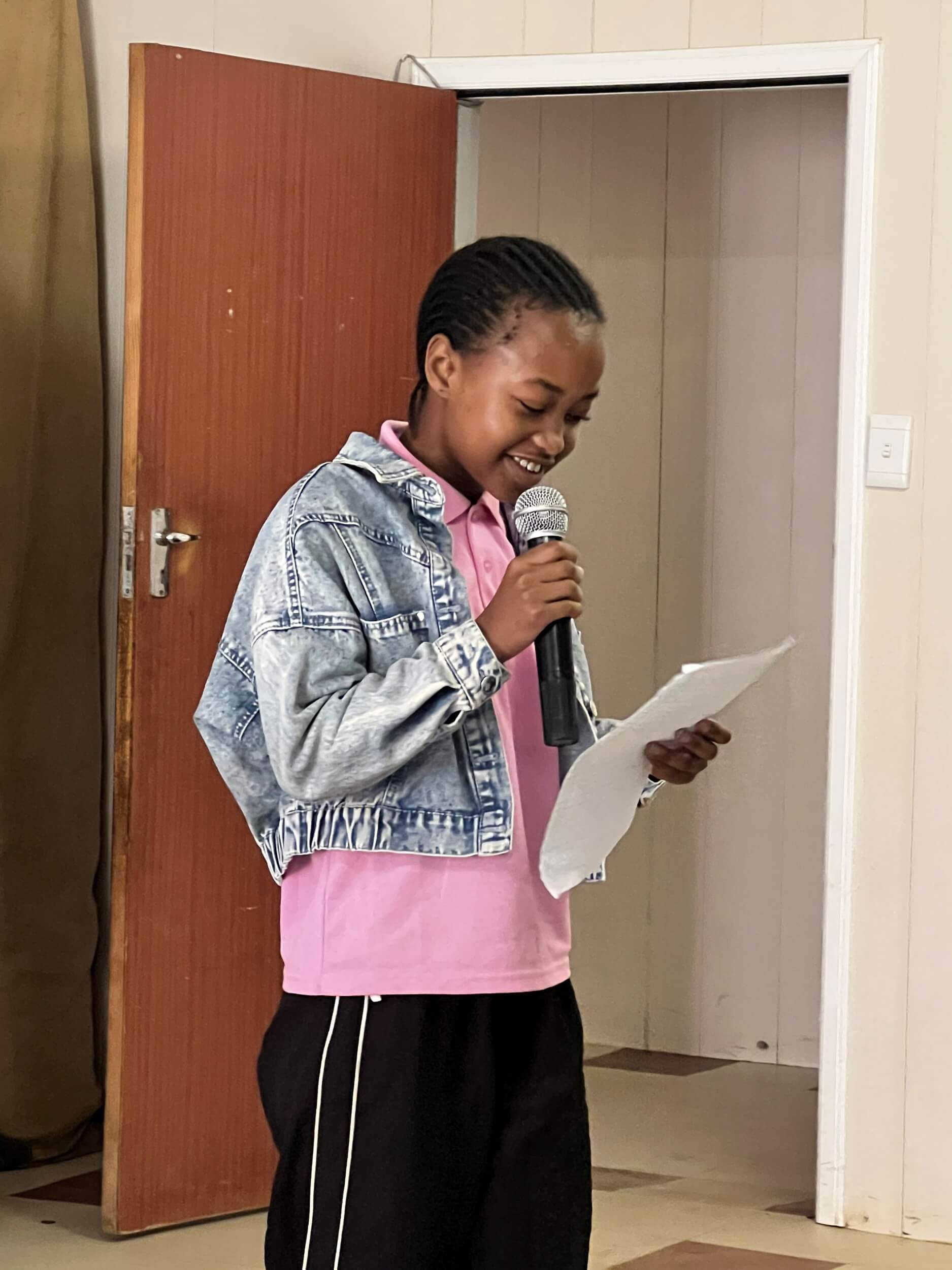
Before his final high school exams, Lerato attended a Help Lesotho Inspiration Day. It was a simple intervention - a day of encouragement, reflection, and motivation - but it came at exactly the right moment.
“It really helped,” he says.
For the first time, Lerato began to see a different path forward - one that required intentional choices.
“Now I see that I need to make good decisions.”
Choosing a Different Path
Today, Lerato is preparing for his next chapter. He spends time in Help Lesotho’s alumni room, working on applications to university. His goal is to study computer engineering, a future that once felt out of reach.
But perhaps the most powerful change is not where he is going. It is who he is becoming.
In high school, classmates often nominated him for leadership roles. He always refused.
Now, he says yes.
“I like being a leader now.”
Leading Through Action
Lerato’s leadership doesn’t show up in speeches or titles. It shows up in everyday choices.
He helps elderly women carry heavy bags.
He fills potholes in the road with stones so others can pass safely.
He notices when someone needs help - and steps in.
“I like being someone who helps others,” he says.
His peers have noticed. Many have followed him to Help Lesotho, curious about the change they see in him.
“They see the kind of person I am,” Lerato explains. “And I tell them it is because of Help Lesotho. They want to be like me.”
The Ripple Effect
Lerato’s story is not just about one young person. It is about what happens when youth are given space, support, and the opportunity to grow.
What began as a place to spend time has become a foundation for transformation:
- A safe space to belong.
- A moment of encouragement at a critical time.
- A pathway to education and purpose.
- A community that shapes leaders who give back.
Today, Lerato is not only building his own future - he is quietly strengthening his community along the way.
And in doing so, he embodies what Help Lesotho is all about:
Young people helping others, and changing what is possible for the future of Lesotho.